Contemporary Lighting Trends
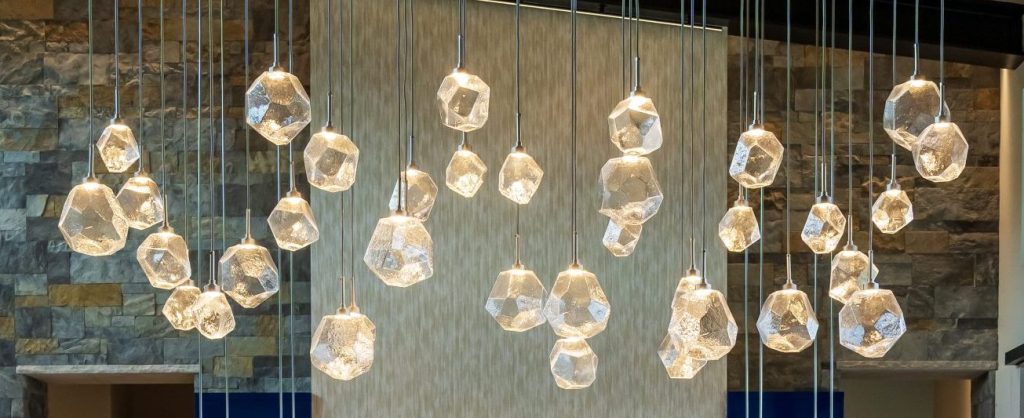
Nearly 90 percent of homeowners now view lighting as a critical element for comfort and wellness at home. The shift toward contemporary lighting goes far beyond simple style—it’s transforming how people feel and function in their living spaces. New trends bring in natural forms, innovative materials, and smart technology, all working together to craft environments that support mood, connection, and personal expression.
Key Takeaways
| Point | Details |
|---|---|
| Emphasis on Organic Design | Contemporary lighting prioritizes fluid, organic shapes and natural materials, moving away from rigid geometries to foster emotional connection and wellness. |
| Integration of Technology | The lighting industry is rapidly adopting smart solutions, enhancing user experience through voice compatibility and adaptive lighting systems that align with natural rhythms. |
| Sustainability Focus | There is a growing market for energy-efficient, sustainable lighting solutions that incorporate eco-friendly materials and consider lifecycle costs for long-term value. |
| Dynamic Aesthetic Movements | Contemporary designs merge vintage and modern elements, creating immersive environments that transform lighting into expressive art rather than mere utility. |
Table of Contents
- Defining Contemporary Lighting Trends
- Popular Styles And Aesthetic Movements
- Innovative Materials And Craftsmanship
- Technology Integration And Smart Solutions
- Cost, Value, And Sustainability Factors
Defining Contemporary Lighting Trends
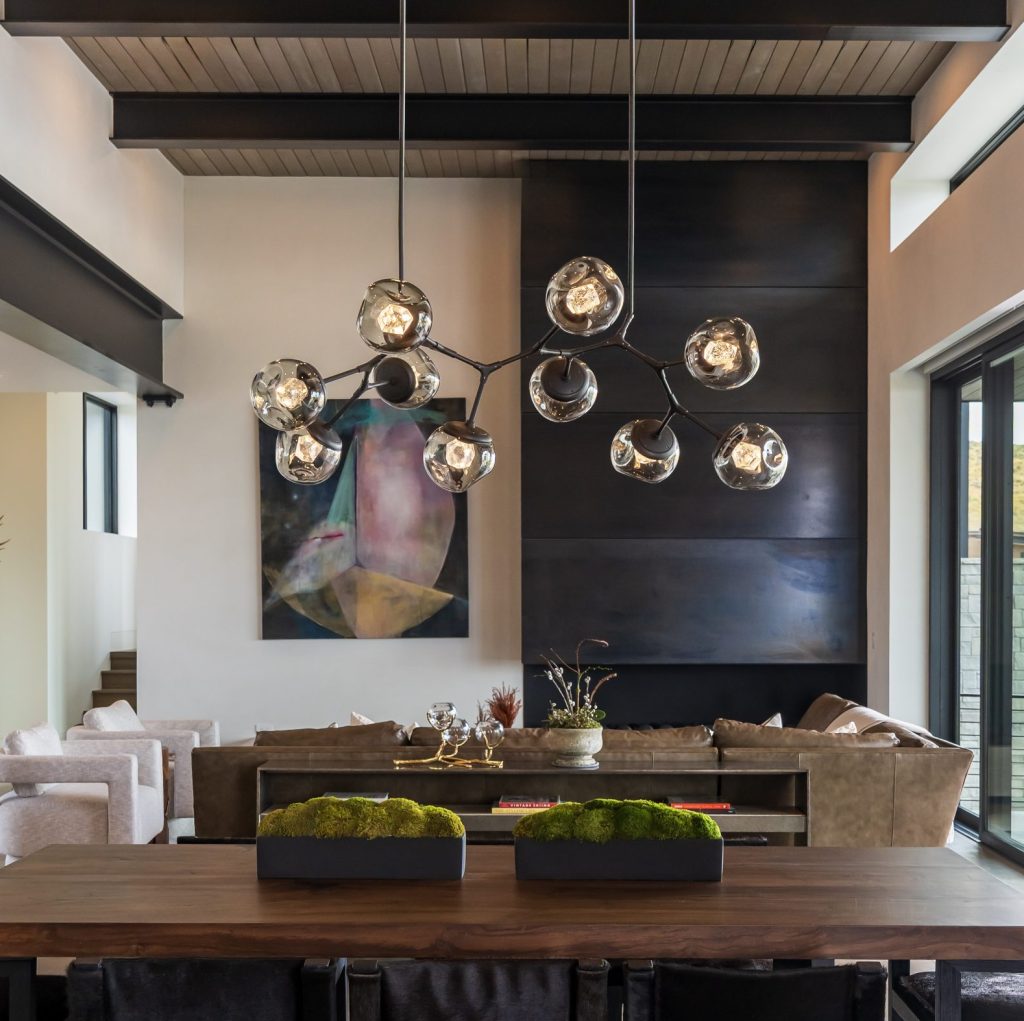
Contemporary lighting has dramatically transformed from rigid, geometric designs into more fluid, organic expressions that prioritize emotional resonance and holistic wellness. According to Better Homes & Gardens, the latest design trends are shifting away from hard-edge angular fixtures toward softer, more natural forms that reflect our growing desire for spaces that feel nurturing and connected to the natural world.
Today’s contemporary lighting embraces several key characteristics that distinguish it from previous design eras:
- Organic Silhouettes: Curves and flowing lines replacing sharp geometric shapes
- Natural Material Integration: Incorporation of wood, blown glass, and textured metals
- Wellness-Driven Design: Lighting that supports circadian rhythms and emotional comfort
- Minimalist Yet Expressive: Clean lines balanced with meaningful sculptural elements
The emerging trend moves beyond pure functionality, positioning lighting as a transformative design element that creates atmosphere and supports human experience. Read more about breaking traditional design rules to understand how contemporary lighting designers are reimagining illumination as an art form that connects emotionally with inhabitants. By prioritizing human-centric design, contemporary lighting transforms spaces from mere environments into living, breathing experiences that adapt and respond to our deepest aesthetic and psychological needs.
Here’s a comparison of key contemporary lighting trends:
| Trend Characteristic | Description | Design Example |
|---|---|---|
| Organic Silhouettes | Curves, flowing lines, natural forms | Wave-shaped pendant |
| Natural Material Integration | Wood, blown glass, textured metals | Walnut wood chandelier |
| Wellness-Driven Design | Supports circadian rhythms, emotional comfort | Tunable white LED fixtures |
| Minimalist Yet Expressive | Clean silhouettes, sculptural details | Minimalist sconce with accent |
Popular Styles and Aesthetic Movements
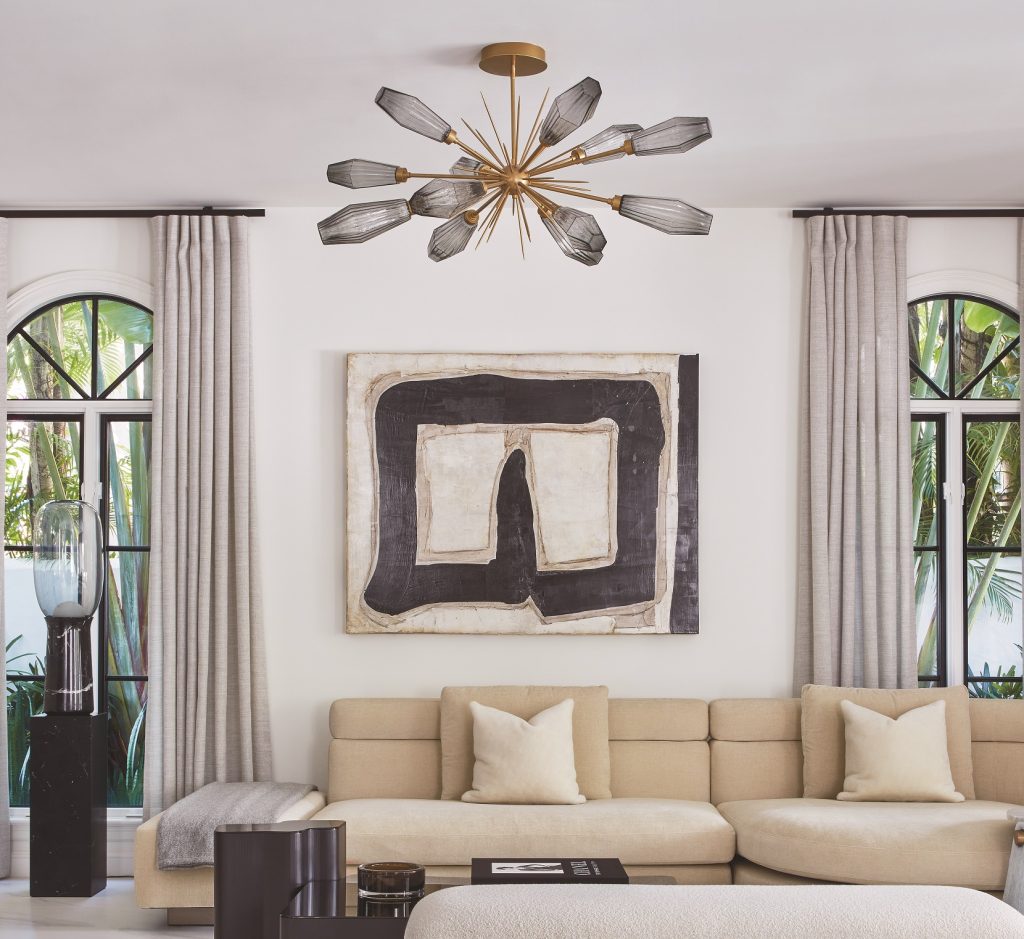
Contemporary lighting design has emerged as a dynamic canvas where vintage charm meets sculptural modernity. According to Elle Decor, the latest aesthetic movements are redefining illumination through innovative styles that blend nostalgia with cutting-edge design sensibilities.
Several distinctive styles are currently dominating the contemporary lighting landscape:
- Statement Floor Lamps: Dramatic, oversized pieces that function as standalone art sculptures
- Stained Glass Fixtures: Bringing historic craftsmanship into modern interiors with vibrant color and texture
- Artistic Sconces: Transforming wall lighting into expressive design statements
- Monopoint Lighting Clusters: Creating visual intrigue through strategic, asymmetrical arrangements
- Soft Fabric Shades: Introducing warmth and textural depth to minimalist spaces
Explore how designers are mixing classic and contemporary styles to understand the nuanced approach behind these emerging trends. The current aesthetic movement isn’t just about illumination—it’s about creating immersive environments where lighting transcends utility and becomes a powerful narrative element, telling stories of craftsmanship, emotion, and human connection through carefully curated design choices.
Innovative Materials and Craftsmanship
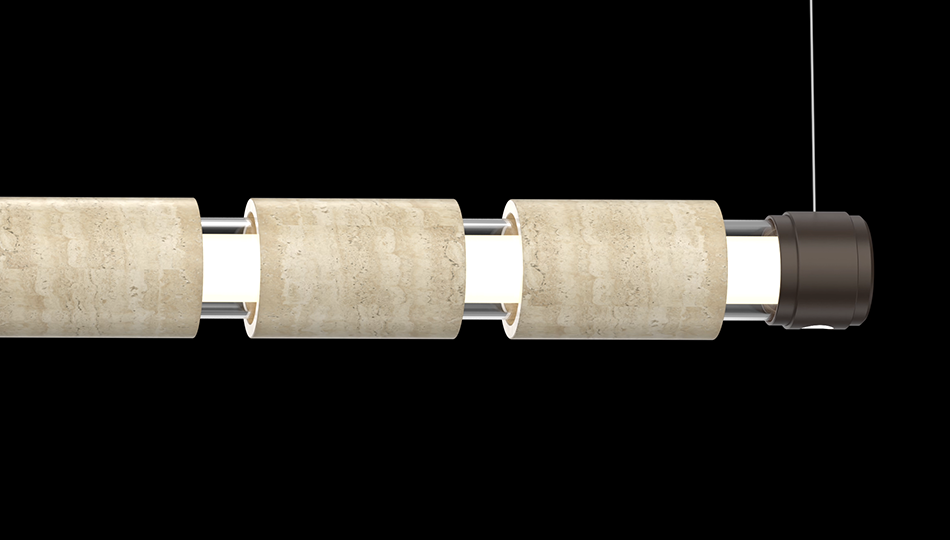
Contemporary lighting design is experiencing a profound renaissance, moving beyond industrial minimalism toward a celebration of artisanal craftsmanship and extraordinary material exploration. According to Modern Forms, luxury fixtures are now embracing natural materials like walnut wood, travertine, basalt, alabaster, and marble—transformed into sculptural lighting pieces that blur the lines between functional illumination and pure artistic expression.
The emerging material palette reflects a deeper design philosophy:
- Natural Stone Integration: Travertine and alabaster creating luminous, textural statements
- Reclaimed Wood Elements: Celebrating organic textures and sustainable design
- Patinaed Metalwork: Embracing materials that tell a story of age and character
- Tactile Surface Treatments: Surfaces that invite touch and sensory exploration
According to Better Homes & Gardens, there’s a renewed emphasis on craftsmanship that prioritizes heirloom-quality designs over mass-produced alternatives. Learn more about how materials bridge different lighting styles and discover how designers are elevating illumination from mere functional objects to profound design statements. This approach transforms lighting into a narrative medium—each fixture becoming a unique expression of material poetry, cultural heritage, and human creativity.
Technology Integration and Smart Solutions
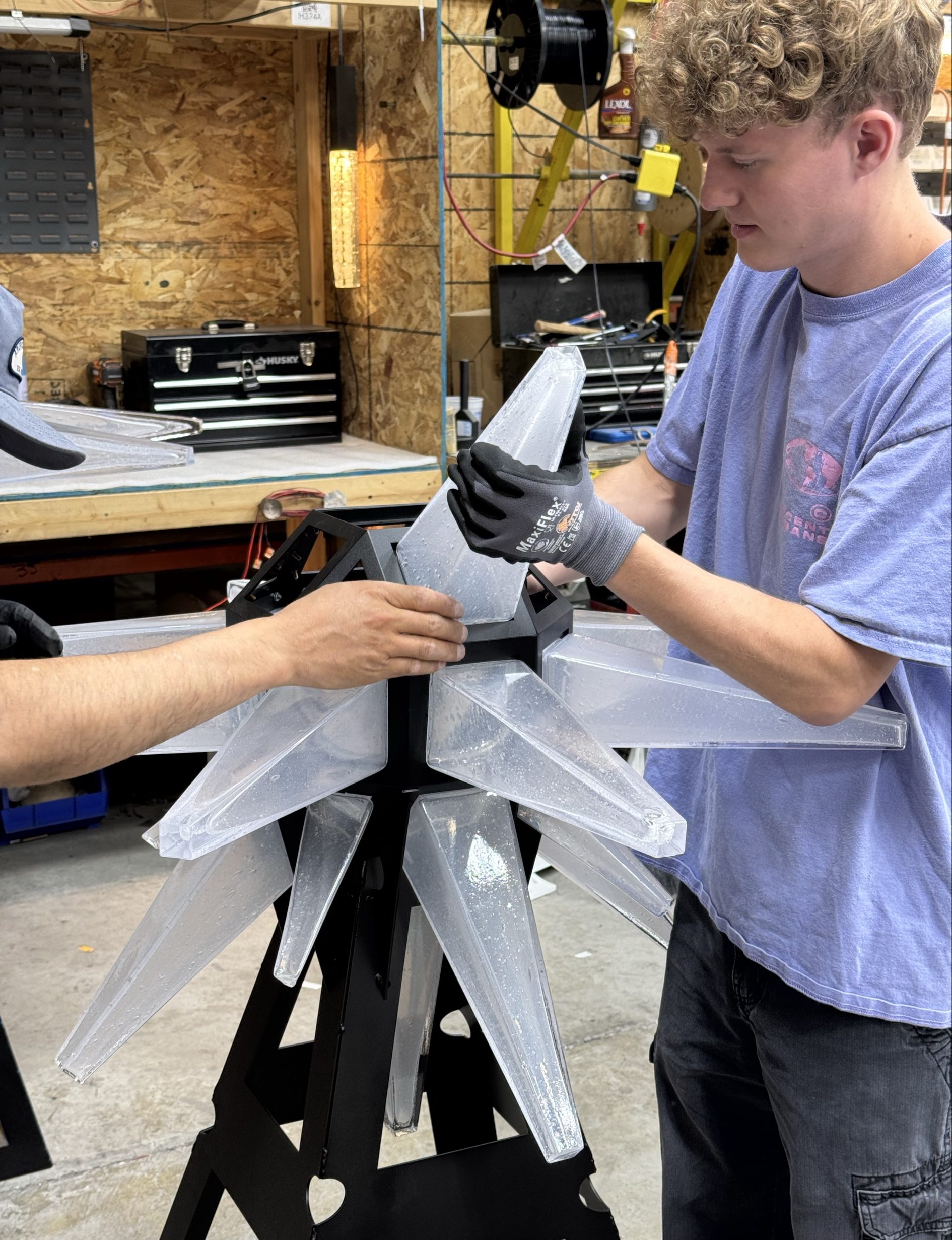
The contemporary lighting landscape is undergoing a technological revolution, transforming illumination from a passive utility to an intelligent, responsive ecosystem. According to Research and Markets, the U.S. smart lighting market is experiencing explosive growth, projected to expand from $18 billion in the last year to over $21 billion—driven by groundbreaking innovations in connectivity and user experience.
Key technological advancements are reshaping how we interact with lighting:
- Voice Assistant Compatibility: Seamless control through Amazon Alexa, Google Home, and Apple HomeKit
- Human-Centric Lighting: Adaptive systems that mimic natural circadian rhythms
- Wireless Technologies: Bluetooth and Wi-Fi enabled fixtures for unprecedented flexibility
- Energy Efficiency: Smart systems that optimize power consumption and reduce environmental impact
Explore how craft-based design meets technological innovation to understand the sophisticated intersection of artisanship and smart solutions. According to IMARC Group, the market is expected to grow at a remarkable 14.7% CAGR through 2033, signaling a future where lighting is not just an aesthetic choice, but an intelligent, adaptive system that responds to human needs, enhances well-being, and creates personalized environmental experiences.
Cost, Value, and Sustainability Factors
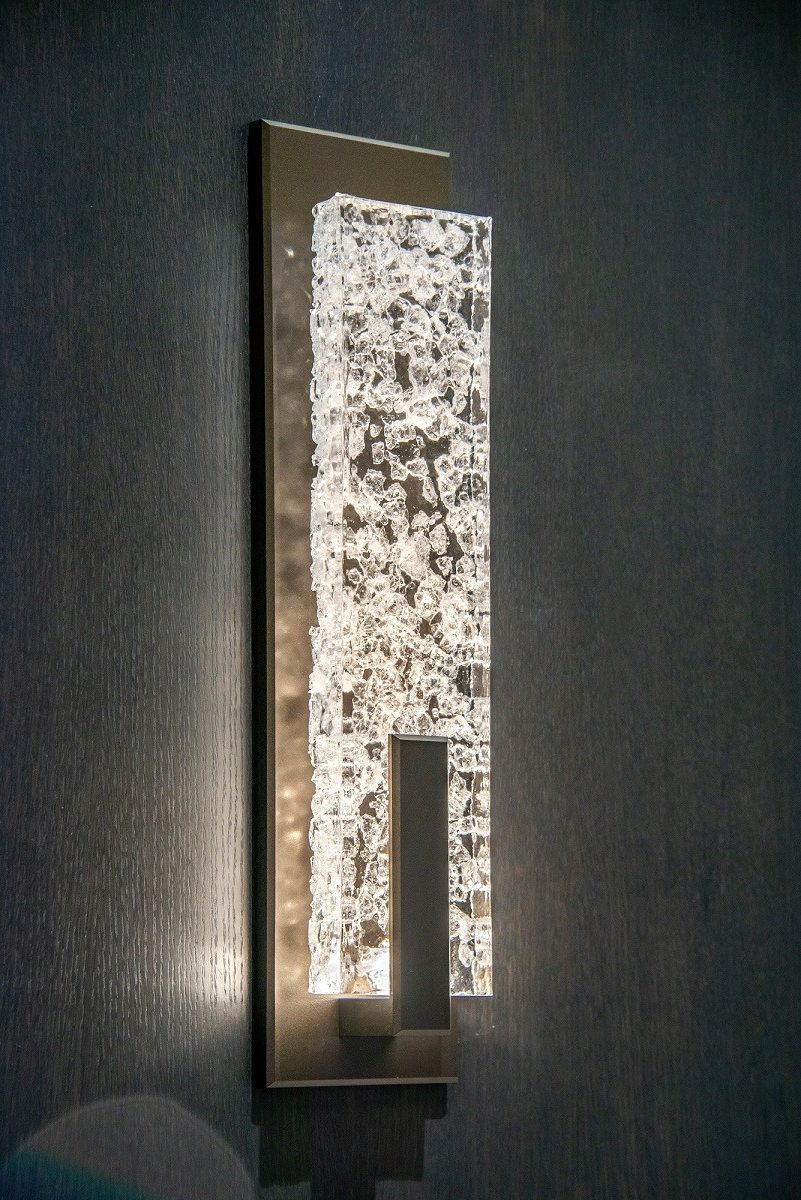
Contemporary lighting design is increasingly driven by a holistic approach that balances aesthetic excellence with economic and environmental responsibility. The emerging market is moving beyond traditional consumption models, embracing innovative strategies that create long-term value for consumers and the planet.
Key considerations in the modern lighting ecosystem include:
- Lifecycle Cost Analysis: Prioritizing fixtures with lower energy consumption and longer operational lifespans
- Material Sustainability: Selecting designs that incorporate recycled or responsibly sourced materials
- Energy Efficiency: Investing in technologies that reduce overall electrical consumption
- Adaptive Design: Choosing fixtures that can be upgraded or repurposed over time
According to IMARC Group, the market is witnessing a transformative shift with Lighting-as-a-Service (LaaS) models, which offer subscription-based lighting systems that dramatically reduce upfront costs while promoting extended equipment lifecycles. Learn more about craft-based value engineering to understand how designers are creating lighting solutions that are not just beautiful, but economically and environmentally intelligent. This approach represents a profound reimagining of lighting—where value is measured not just in initial price, but in long-term performance, adaptability, and minimal environmental impact.
Experience the Future of Lighting with Hammerton Studio
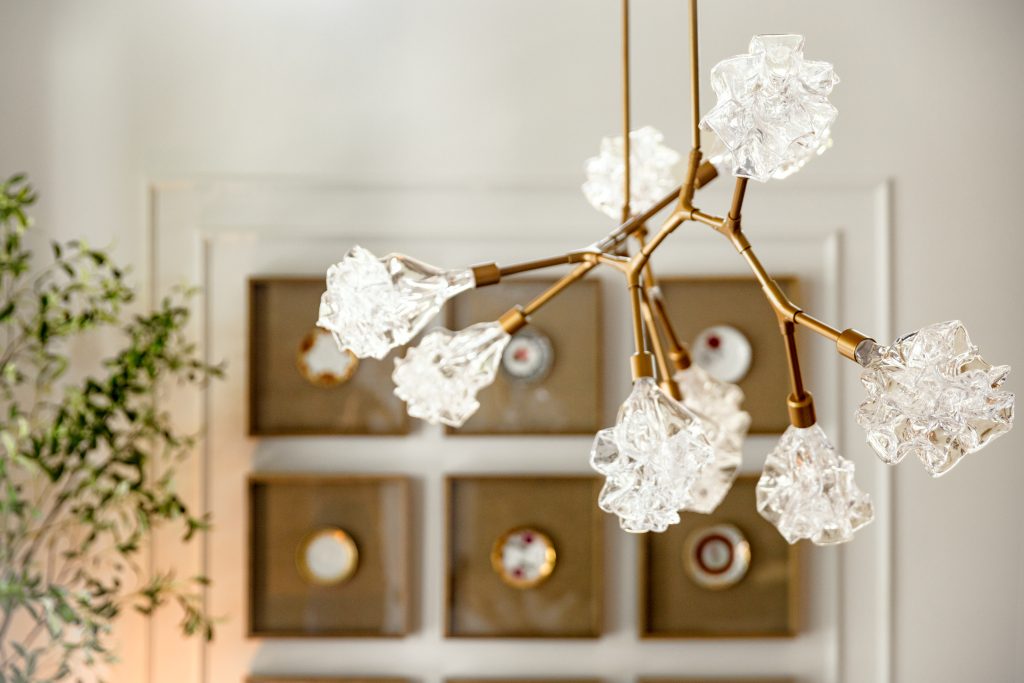
Are you struggling to find lighting solutions that truly reflect the latest contemporary trends? The article explored how today’s lighting moves beyond rigid functionality, becoming transformative design elements that support emotional resonance, wellness, and artistic expression. But finding fixtures that combine organic silhouettes, and natural materials—while maintaining exceptional craftsmanship—can feel overwhelming. Many options promise style, yet fall short on quality or adaptability.
Discover how Hammerton Studio turns contemporary lighting trends into reality. Every fixture brings together American artisan craftsmanship, innovative materials, and cutting-edge design. Our collections make it easy to bridge timeless aesthetics with new movements in lighting, offering both sculptural impact and sustainable value. Looking for inspiration? Learn how we break traditional design rules or mix classic and current features to create lighting experiences tailored to your style. Transform your space now—explore Hammerton Studio to elevate your environment with lighting that is as unique as your vision.
Frequently Asked Questions
What are the key characteristics of contemporary lighting design?
Contemporary lighting design features organic silhouettes, natural material integration, wellness-driven design, and minimalist yet expressive elements. These characteristics focus on creating nurturing and aesthetically pleasing spaces.
How do natural materials influence contemporary lighting trends?
Natural materials like wood, blown glass, and stone are increasingly used in contemporary lighting to create unique fixtures that add texture and warmth, enhancing the emotional connection within a space.
What is human-centric lighting, and how does it benefit our well-being?
Human-centric lighting adapts to mimic natural circadian rhythms, promoting emotional comfort and physiological health by supporting better sleep patterns and overall well-being in living environments.
What role does technology play in modern lighting solutions?
Modern lighting integrates smart technologies, allowing for features like voice control, energy efficiency, and adaptive lighting systems that respond to user needs. This transformation enhances the user experience and personalizes the lighting environment.
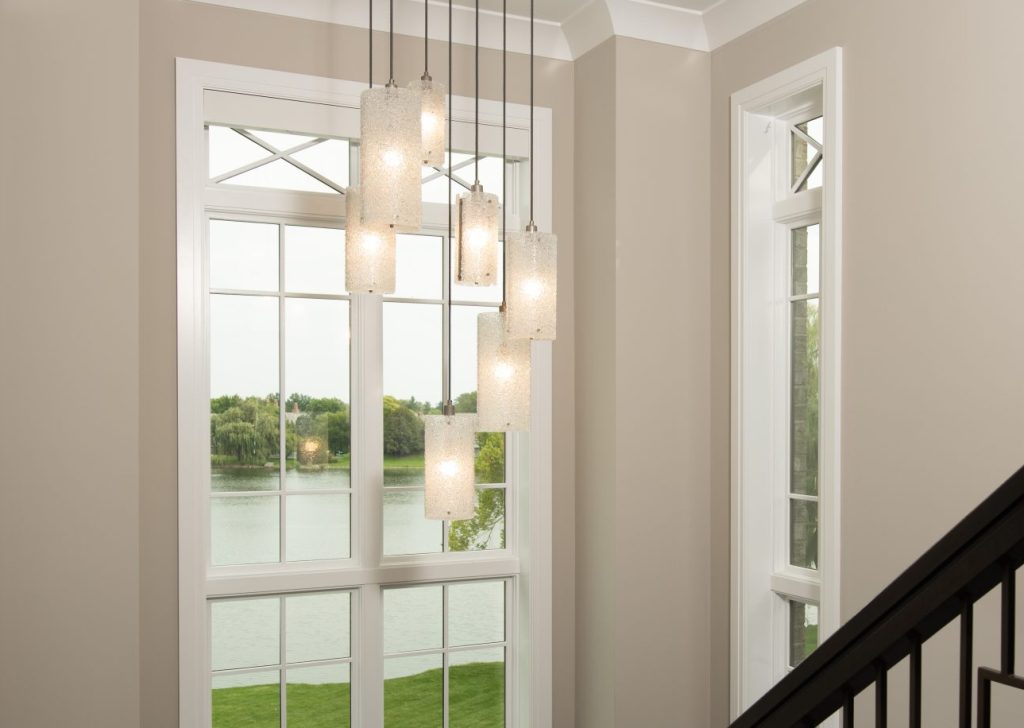
ARE YOU A TRADE PROFESSIONAL?
At Hammerton, we know what it takes to deliver exceptional design on tight timelines. Our Trade Account Program offers exclusive discounts, product access, and dedicated support to help you stay ahead.
APPLY NOW and simplify your workflow from concept to completion.