The Ultimate Modern Lighting Selection Guide for Luxurious Spaces
Finding the right modern lighting can feel overwhelming with so many styles and tech options to consider. Yet, most people forget that modern LEDs use up to 75 percent less energy and last 25 times longer than traditional bulbs. That means the real power of your lighting upgrade lies not just in how it looks, but in how it completely changes the feel and functionality of your entire space.
Table of Contents
- Step 1: Assess Your Space And Lighting Needs
- Step 2: Identify Your Design Style And Preferences
- Step 3: Explore Various Modern Lighting Options
- Step 4: Choose The Right Lighting Fixtures And Accessories
- Step 5: Plan The Lighting Layout For Optimal Effect
- Step 6: Install And Test Your Selected Lighting Solutions
Quick Summary
| Key Point | Explanation |
|---|---|
| 1. Assess your space thoroughly | Evaluate room dimensions, ceiling heights, and natural light to determine optimal lighting solutions. |
| 2. Identify your design style | Create a mood board to ensure lighting aligns with your interior’s aesthetic and emotional vision. |
| 3. Explore various modern lighting options | Understand different fixture types and materials to find options that reflect your design philosophy and needs. |
| 4. Plan the lighting layout carefully | Develop a detailed layout ensuring ambient, task, and accent lighting work together to enhance your space. |
| 5. Test and adjust after installation | After installing, systematically evaluate lighting performance to make necessary adjustments for optimal effect. |
Step 1: Assess Your Space and Lighting Needs
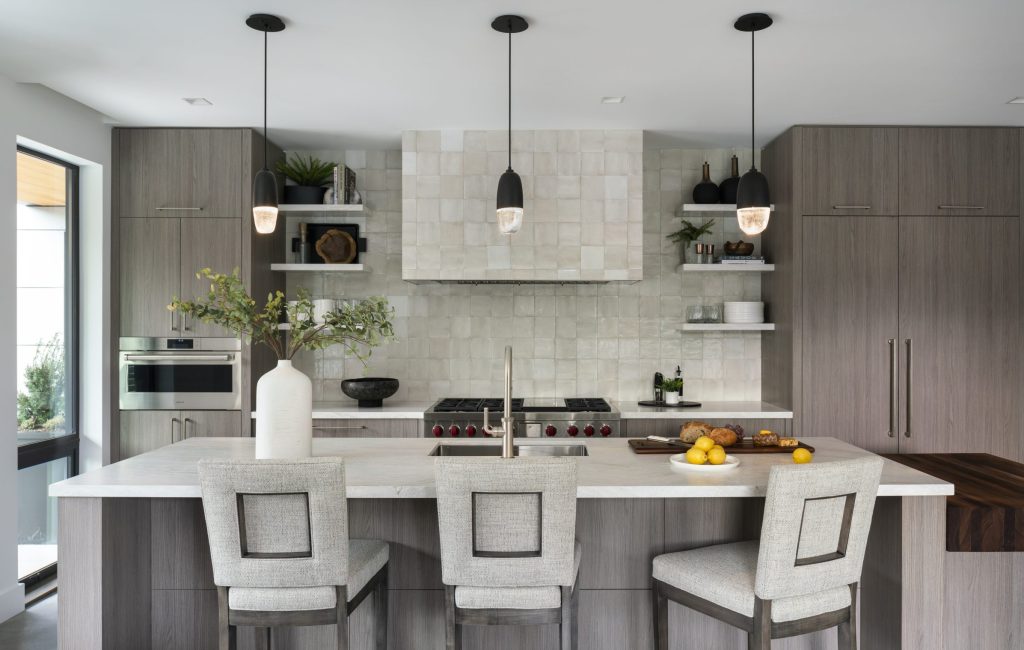
Selecting the perfect modern lighting begins with a strategic and comprehensive assessment of your space. The process goes beyond mere aesthetics, requiring a nuanced understanding of how lighting transforms architectural environments and enhances functional experiences. Before diving into specific fixtures, you must develop a holistic view of your interior’s unique characteristics and illumination requirements.
Start by conducting a methodical spatial evaluation. Walk through each room with a critical eye, noting architectural features, room dimensions, ceiling heights, and existing natural light patterns. Spatial geometry plays a crucial role in determining appropriate lighting solutions. High ceilings might demand statement chandeliers that draw the eye upward, while compact spaces require more intimate and focused lighting designs. Consider the room’s primary function: a home office needs task-oriented lighting, while a dining area benefits from layered ambient and accent illumination.
Next, map out your lighting needs by understanding the three primary lighting types. Ambient lighting provides overall room illumination, task lighting supports specific activities like reading or cooking, and accent lighting highlights architectural elements or artwork. Read our guide on custom lighting design strategies to explore how professional designers approach these nuanced lighting layers. Your goal is creating a cohesive lighting plan that balances functionality with aesthetic appeal.
Below is a comparison table summarizing the three main lighting types discussed in the article, to help you understand their functions and recommended uses in modern spaces.
| Lighting Type | Purpose | Where to Use |
|---|---|---|
| Ambient | Overall room illumination | Living rooms, bedrooms, hallways |
| Task | Supports specific activities | Home offices, kitchens, reading nooks |
| Accent | Highlights architectural features or artwork | Walls, niches, display shelves |
Carefully document your findings in a comprehensive lighting plan. Sketch room layouts, mark electrical outlet locations, and note potential fixture mounting points. Measure ceiling heights, note wall colors and materials, and consider how different lighting temperatures and intensities will interact with your space. A meticulously prepared assessment ensures your final lighting selection will not just illuminate but genuinely transform your interior environment.
Step 2: Identify Your Design Style and Light fixture Preferences
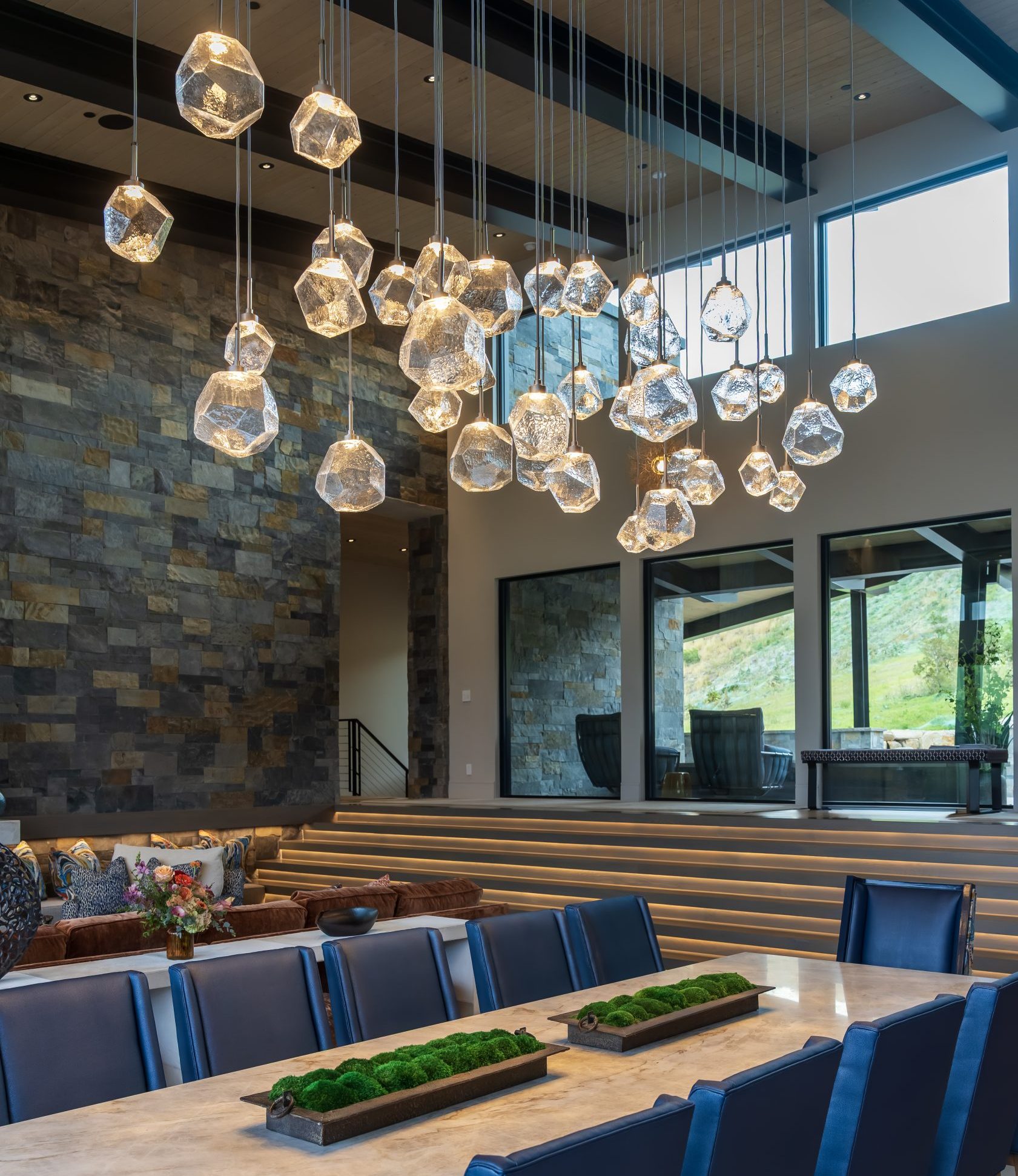
Transforming your space through modern lighting requires a nuanced understanding of design aesthetics and personal style. This crucial step bridges the gap between functional illumination and visual storytelling, allowing you to curate lighting that resonates deeply with your interior design vision. Your lighting choices should reflect more than mere functionality—they should communicate your unique design narrative.
Begin by examining your existing interior design language. Are your spaces characterized by clean minimalist lines, ornate traditional elements, or an eclectic blend of contemporary and classic influences? Learn about mixing classic and current design approaches to understand how lighting can seamlessly integrate with diverse aesthetic narratives. Architectural elements, furniture styles, color palettes, and textural compositions all provide critical insights into selecting lighting that harmonizes with your space’s inherent design personality.
Carefully consider the emotional and visual impact you want to create. Modern lighting goes beyond illumination—it serves as sculptural art that transforms spatial experiences. Sleek metallic fixtures might complement a minimalist environment, while handcrafted artisan pieces could introduce warmth and intricate detail to more austere spaces. Pay attention to fixture materials, geometric forms, and finish details. Chrome suggests contemporary precision, while burnished bronze evokes timeless sophistication. Your selected lighting should feel like a natural extension of your interior design language, creating a cohesive and intentional visual narrative that speaks to your aesthetic sensibilities.
To verify you’ve successfully identified your design style, create a mood board or digital collection showcasing your preferred lighting fixtures, ensuring they align harmoniously with your broader interior design vision. This visual reference will serve as a strategic roadmap for your lighting selection journey.
Step 3: Explore Various Modern Light fixtures
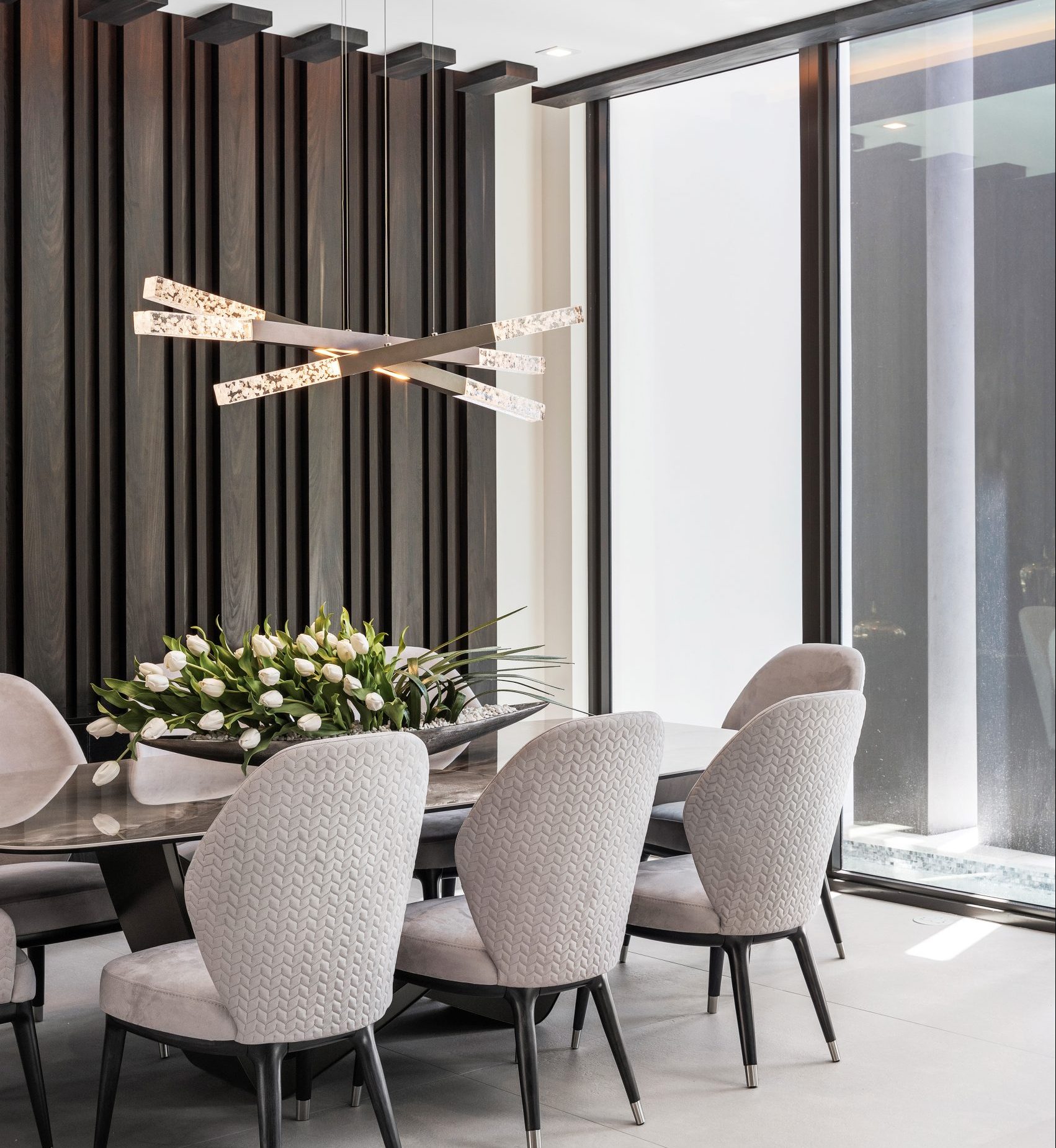
Modern lighting represents a sophisticated intersection of technology, artistry, and functional design. This exploration stage transforms your interior lighting from a mere utility to a powerful design statement that elevates spatial experiences. Understanding the diverse landscape of contemporary lighting options becomes your gateway to creating truly remarkable interiors.
Begin your lighting exploration by understanding the primary categories of modern fixtures. Pendant lights offer versatile suspended illumination perfect for kitchen islands and dining areas, while recessed lighting provides clean, minimalist overhead illumination. Chandeliers have evolved beyond traditional designs, now featuring sculptural geometric forms that serve as artistic centerpieces. Discover integrated LED lighting solutions that combine cutting-edge technology with elegant design, offering unprecedented energy efficiency and aesthetic flexibility. Wall sconces provide nuanced accent lighting that can dramatically transform architectural perceptions, creating depth and visual interest in ways traditional lighting cannot.
Your exploration should extend beyond fixture types to encompass material innovations and technological advancements. Contemporary lighting integrates advanced materials like hand-blown artisan glass, precision-crafted metals, and smart lighting technologies that allow remote control and programmable ambiance. Consider lighting fixtures that offer dimming capabilities, color temperature adjustments, and seamless smartphone integration. According to energy efficiency experts, modern LED technologies provide exceptional longevity and dramatically reduced energy consumption compared to traditional lighting sources. This exploration phase is about more than selecting a light fixture—it’s about discovering illumination solutions that reflect your design philosophy, technological preferences, and aesthetic sensibilities.
To verify you’ve successfully explored modern lighting options, compile a curated collection of fixture images, technical specifications, and design concepts that resonate with your spatial requirements and personal style. This visual and informational portfolio will serve as a strategic roadmap for your final lighting selections.
Step 4: Choose the Right Light Fixtures and Accessories
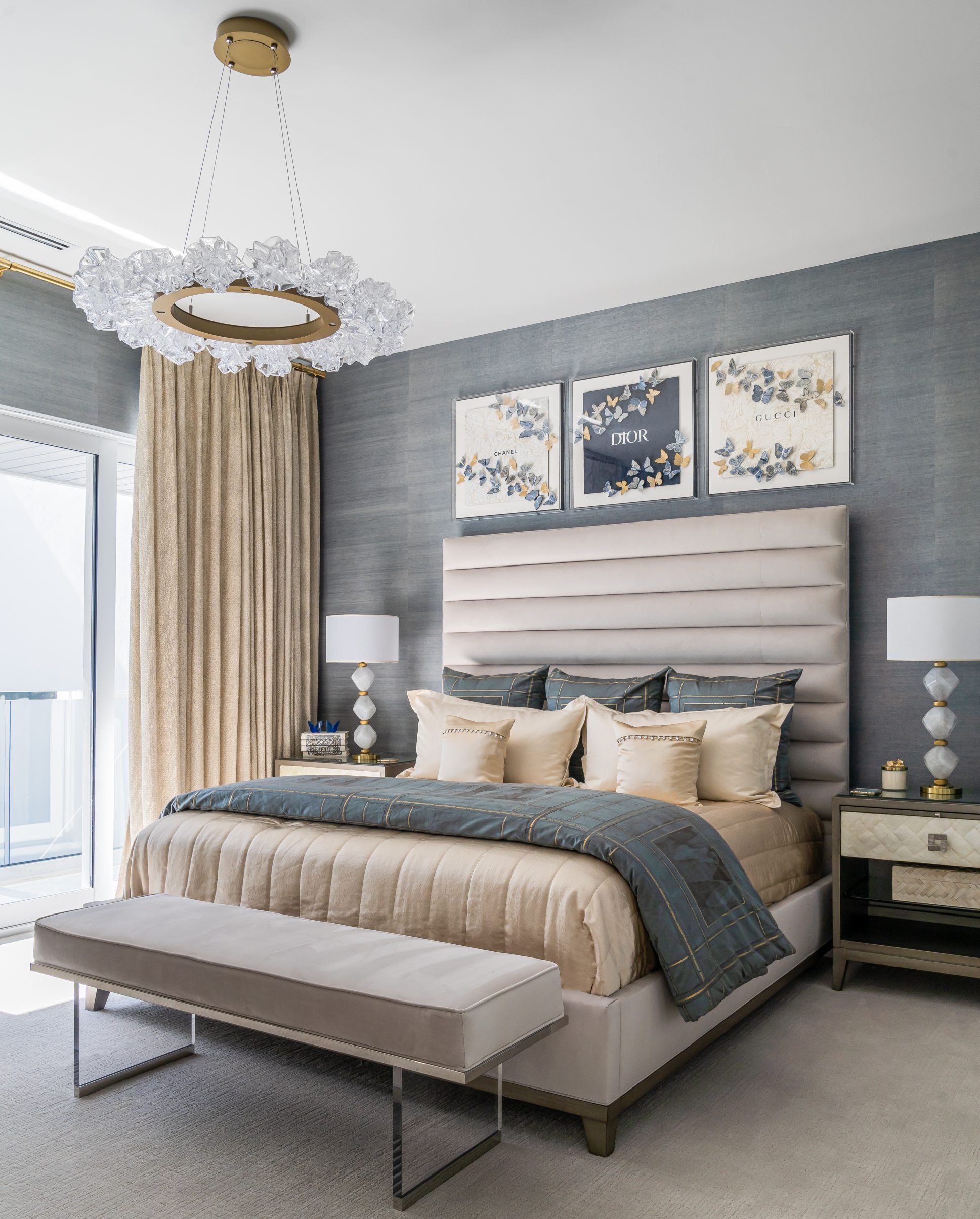
Selecting the perfect lighting fixtures and accessories represents the pivotal moment where your design vision transforms from conceptual planning to tangible reality. This step demands a meticulous approach that balances aesthetic preferences, functional requirements, and technical considerations. Your chosen fixtures will serve as both illumination sources and sculptural art pieces that define your interior’s character.
Navigate the selection process by prioritizing compatibility between your fixtures and existing architectural elements. Consider scale, proportion, and visual weight—an oversized chandelier can overwhelm a compact space, while diminutive fixtures might appear insignificant in expansive rooms. Explore strategies to avoid common decorative lighting mistakes to ensure your selections enhance rather than detract from your interior design. Examine finish materials that complement your existing color palette and textures. Brushed nickel might provide a cool contemporary edge, while hand-crafted bronze fixtures introduce warmth and organic complexity. Prioritize fixtures that offer adjustable features like dimming capabilities, adjustable suspension lengths, and flexible mounting options to maximize versatility.
Accessories play a critical role in refining your lighting design. According to architectural lighting design experts, thoughtful accessories like specialized diffusers, reflective shades, and precision-engineered mounting systems can dramatically enhance light quality and visual comfort. Seek out accessories that not only complement your fixtures but also improve their functional performance. Consider glass diffusers that soften harsh light, metallic mesh screens that create intricate shadow patterns, and precision mounting hardware that allows seamless installation. Your goal is to curate a lighting ensemble that feels intentional, harmonious, and uniquely tailored to your space.
To verify successful fixture and accessory selection, create a comprehensive mockup or digital rendering that visualizes how your chosen lighting elements interact with your interior. This verification process ensures your selections achieve the desired aesthetic and functional outcomes before final installation.
Step 5: Plan the Lighting Layout for Optimal Effect
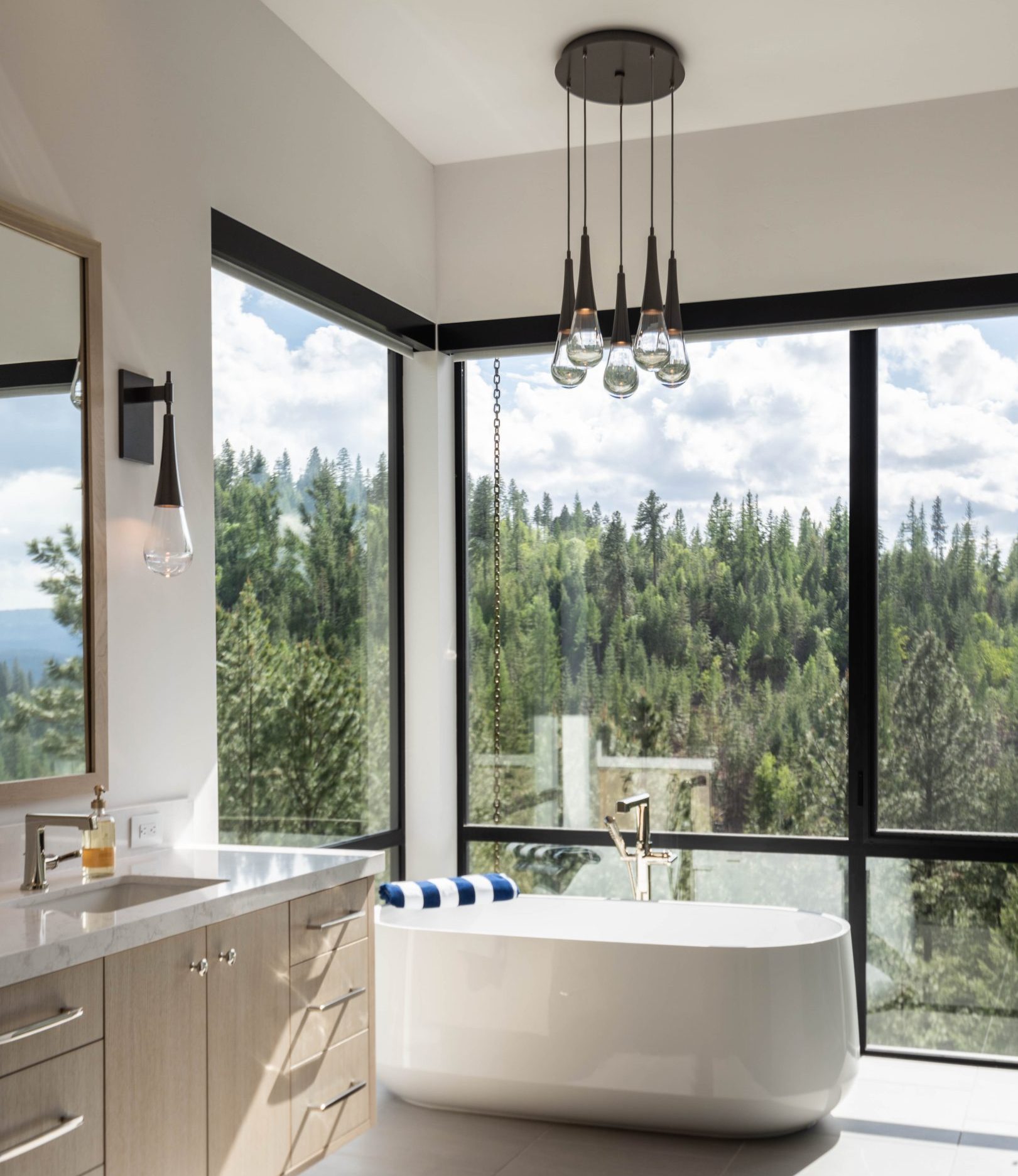
Planning a lighting layout transcends simple fixture placement—it is an intricate choreography of illumination that transforms spatial experiences and creates visual narratives within your interior environment. The strategic positioning of each lighting element determines how light interacts with architectural surfaces, furniture, and human perception. This sophisticated process requires a holistic approach that considers both functional requirements and aesthetic nuances.
Begin by creating a detailed floor plan that maps electrical connections, architectural features, and potential fixture mounting points. Learn about lighting design principles that challenge traditional rules to understand how innovative positioning can dramatically enhance your space. Implement a layered lighting strategy that incorporates ambient, task, and accent lighting. Ambient lighting provides overall illumination, task lighting supports specific activities, and accent lighting highlights architectural elements or artwork. Carefully consider the interplay between these layers, ensuring no single lighting type dominates but instead creates a harmonious, dynamic environment. Position overhead fixtures to minimize harsh shadows, use wall sconces to create depth, and strategically place accent lights to draw attention to focal points.
Technical precision becomes crucial when planning your lighting layout. Measure mounting heights, calculate lumens required for different zones, and consider light temperature and color rendering index. Warm light around 2700-3000K creates inviting environments, while cooler temperatures between 3500-4100K support task-oriented spaces. Pay attention to dimming capabilities and control systems that allow flexible illumination adjustments. Contemplate how natural light interacts with your artificial lighting throughout different times of day, ensuring your layout maintains visual comfort and adaptability. Some spaces might require multiple circuits or smart lighting systems that enable complex, programmable lighting scenarios.
To verify your lighting layout’s effectiveness, create a detailed digital rendering or physical mockup that simulates light distribution. Test the layout at different times of day, examining how light interacts with surfaces, eliminates shadows, and creates the desired atmospheric and functional effects.
Step 6: Install and Test Your Selected Lighting Solutions
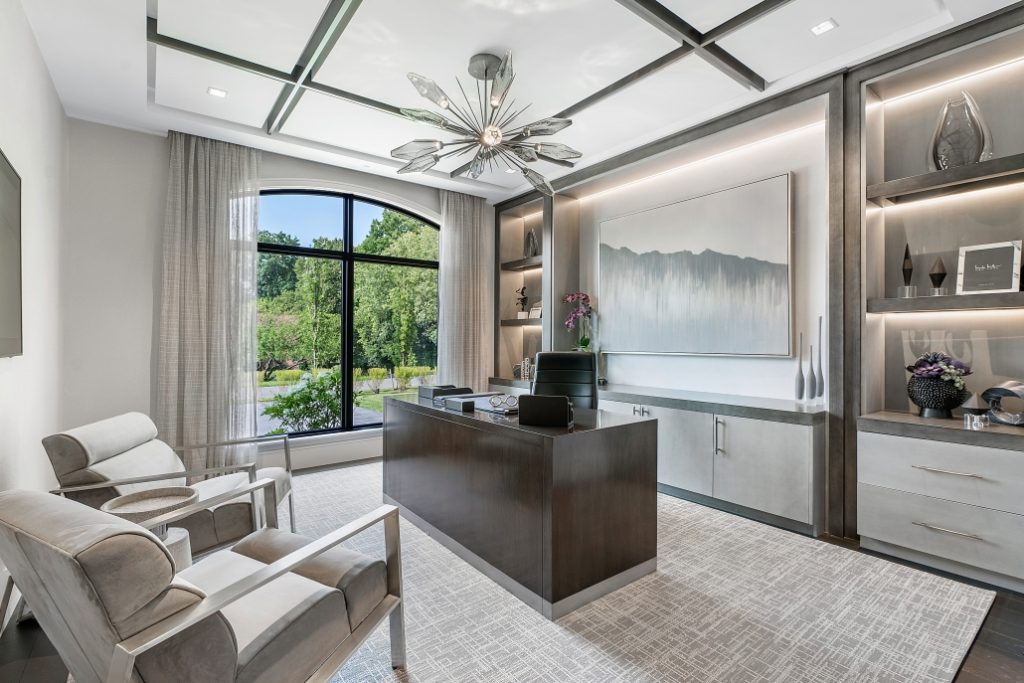
The installation phase represents the critical moment where your meticulously planned lighting design transitions from conceptual blueprint to tangible reality. This stage demands precision, patience, and a systematic approach to ensure your lighting vision is executed flawlessly. Your preparation from previous steps now converges into a transformative implementation process that will dramatically reshape your interior environment.
Begin the installation process by thoroughly reviewing manufacturer specifications and local electrical codes. Understand the critical principles of lighting installation to avoid common pitfalls that can compromise your design integrity. Gather all necessary tools—electrical tester, wire strippers, voltage meter, mounting hardware, and safety equipment like electrical gloves and protective eyewear. If you lack advanced electrical expertise, consider hiring a professional electrician who understands the nuanced requirements of modern lighting installations. Professional installation ensures proper electrical load management, secure mounting, and compliance with safety regulations. Pay meticulous attention to junction box placement, wire connections, and grounding protocols.
Once installed, comprehensive testing becomes paramount. According to energy efficiency experts, proper testing validates not just aesthetic outcomes but also functional performance and energy efficiency. Systematically evaluate each lighting fixture’s performance across different settings and times of day. Test dimming capabilities, color temperature transitions, and overall light distribution. Observe how fixtures interact with architectural surfaces, furniture, and natural light. Use a light meter to measure luminosity and ensure consistent illumination across different zones. Adjust fixture angles, explore different control settings, and critically assess whether the actual installation matches your original design vision. Be prepared to make subtle refinements—minor adjustments can significantly enhance the overall lighting experience.
To verify successful installation, create a comprehensive documentation record. Photograph each installed fixture, note technical specifications, and document any adjustments made during the testing phase. This documentation serves as both a reference for future maintenance and a testament to your meticulous approach to interior lighting design.
Here is a checklist table of key verification actions to ensure your lighting installation meets the intended design and functional goals, as described in the article.
| Verification Step | Purpose | How to Perform |
|---|---|---|
| Review manufacturer specifications | Ensure correct installation and safety | Read and follow all product and local code instructions |
| Test each fixture after installation | Confirm performance and design alignment | Use different settings and observe result |
| Measure luminosity with a light meter | Verify even illumination and adequate brightness | Use a light meter across different zones |
| Adjust fixture angles as needed | Optimize light distribution and minimize shadows | Manually reposition for best effect |
| Photograph and document adjustments | Create a maintenance and reference record | Capture installed fixtures and note any changes |
Transform Your Lighting Vision Into Reality With Hammerton Studio
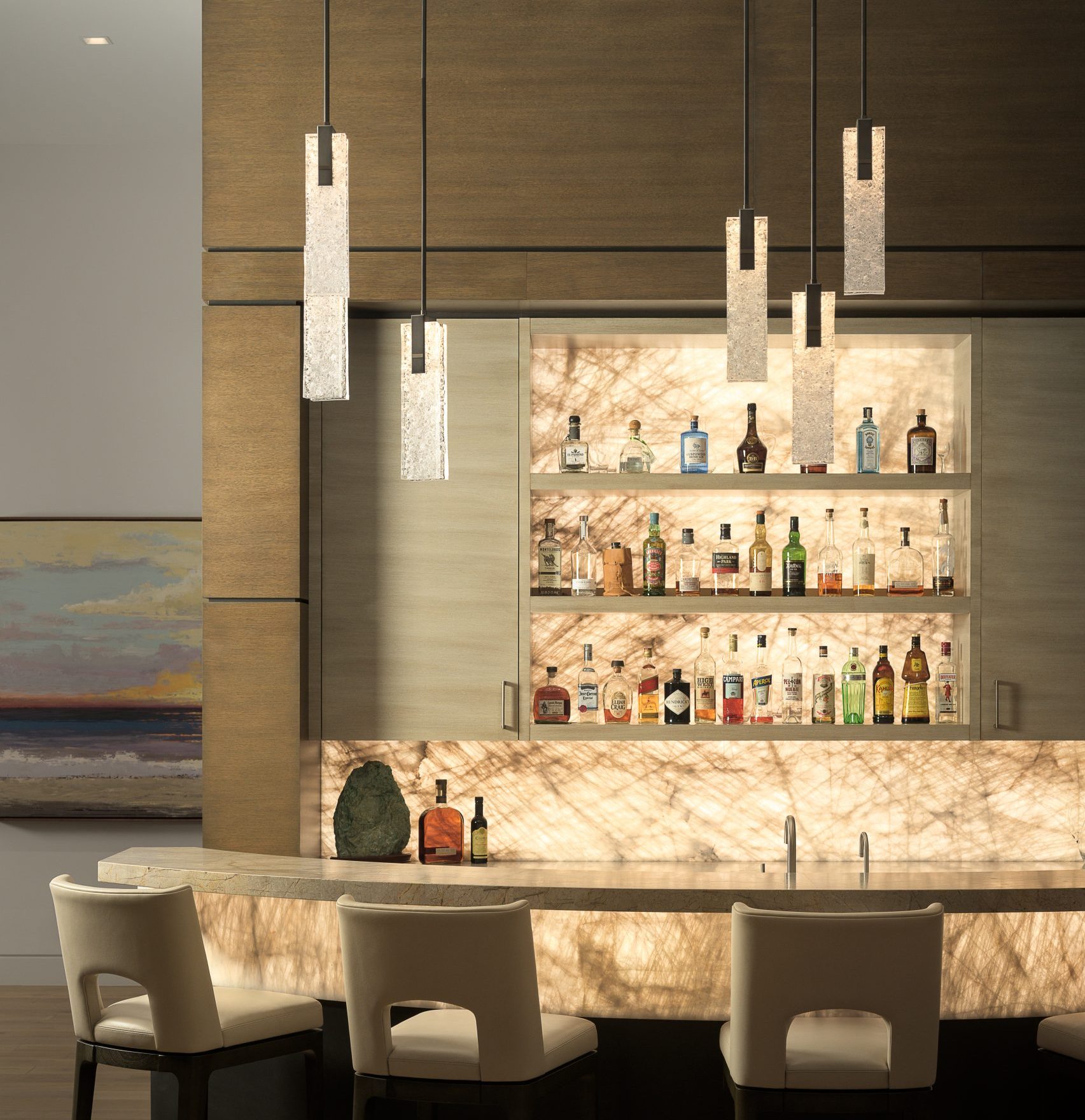
Have you ever felt overwhelmed by the countless choices and meticulous planning involved in modern lighting for a luxurious space? The article has shown how complex it is to analyze your space, select the right design style, and create an optimal lighting layout. Maybe you are concerned about balancing aesthetics and performance. You might wonder how to avoid costly mistakes while ensuring every fixture fits your goals for both visual impact and daily function.
This is where Hammerton Studio becomes your advantage. Our expertly designed, American-made collections seamlessly address the pain points you face, from spatial and functional assessment to personalized fixture selection. Discover custom lighting ideas for designers and unlock exclusive strategies to avoid decorative lighting mistakes, supporting your journey to a flawless result. When you choose Hammerton Studio, you get proven design leadership, handcrafted quality, and fast delivery on every fixture. Take the next step to bring your lighting plan to life and elevate your interior—for a limited time, explore our distinctive lighting solutions at https://studio.hammerton.com.
Frequently Asked Questions
How do I assess my space’s lighting needs effectively?
Begin by conducting a spatial evaluation, noting the room dimensions, ceiling heights, architectural features, and natural light patterns. Consider the primary function of each room, and document your findings to create a comprehensive lighting plan that balances functionality and aesthetics.
What are the different types of lighting I should consider for my space?
The three primary types of lighting to consider are ambient lighting for overall illumination, task lighting for specific activities, and accent lighting to highlight architectural features or artwork. Combining these layers creates a harmonious and functional lighting scheme.
What factors should I consider when choosing lighting fixtures?
Consider compatibility with existing architectural elements, the scale of the fixtures in relation to the space, and the materials used in the fixtures. Also, prioritize adjustable features like dimming capabilities and flexible mounting options to enhance functionality.
How can I ensure my lighting layout is optimized for my space?
Create a detailed floor plan and incorporate a layered lighting strategy that includes ambient, task, and accent lighting. Pay attention to mounting heights, measure required lumens for different zones, and consider how natural light interacts with your fixtures throughout the day.
ARE YOU A TRADE PROFESSIONAL?
At Hammerton, we know what it takes to deliver exceptional design on tight timelines. Our Trade Account Program offers exclusive discounts, product access, and dedicated support to help you stay ahead.
APPLY NOW and simplify your workflow from concept to completion.