Hand Finished Lighting for Luxury Interiors
Choosing lighting for luxury interiors can feel limiting when catalog options lack individuality and creative impact. In today’s residential projects, interior designers need fixtures that reveal intentional artistry and craft. Hand finished lighting delivers that with rich textures, luxurious details, and visual uniqueness, transforming ordinary rooms into curated environments that satisfy discerning clients and elevate every space.

Table of Contents
- Hand Finished Lighting Explained Clearly
- What Makes Hand Finished Lighting Different
- The Quality Difference You’ll Observe
- Why Interior Designers Choose Hand Finished Lighting
- Unique Artistic Qualities and Craft Processes
- What Makes Craft Processes Distinct
- The Artistic Impact in Luxury Interiors
- How Craftspeople Create Visual Interest
- Customization and Design Versatility for Interiors
- Tailoring Finishes to Interior Styles
- Matching Function to Aesthetic Requirements
- Creating Spatial Narratives Through Versatility
- Comparing Hand Finished and Mass Produced Fixtures
- Material Quality and Durability
- Visual Impact and Customization
- Performance and Light Quality
- Cost Implications for Projects
- Sourcing, Value, and Real-World Project Benefits
- Finding Trusted Sources
- How Hand Finished Lighting Adds Project Value
- Real-World Project Benefits
Key Takeaways
| Point | Details |
|---|---|
| Artisanal Craftsmanship | Hand finished lighting prioritizes unique designs and quality over mass production, showcasing the skill of artisans. |
| Customization Options | Extensive customizations allow lighting to match specific design needs and spatial challenges, ensuring a perfect fit for any interior. |
| Visual Impact | These fixtures provide rich textures and a distinct character, elevating the aesthetic of luxury spaces. |
| Long-Term Value | Hand finished lighting typically ages gracefully, enhancing its appeal and value over time compared to mass-produced alternatives. |
Hand Finished Lighting Explained Clearly

Hand finished lighting represents a fundamentally different approach to decorative fixtures than factory-produced alternatives. Rather than assembly-line uniformity, these pieces feature artisanal craftsmanship where skilled artisans manually shape, finish, and customize each component.
At its core, hand finishing involves artisanal crafting processes where components are manually treated to achieve customized surface aesthetics. Unlike mass-produced lighting that prioritizes speed and cost reduction, hand finished pieces emphasize quality craftsmanship, unique design characteristics, and visual distinction.
What Makes Hand Finished Lighting Different

The distinction lies in how craftspeople interact with materials throughout production. A hand finished fixture might feature:
- Glass elements individually blown and shaped by artisans
- Metal components carefully forged, welded, or patinated by hand
- Custom finishes applied with precision to achieve specific visual effects
- Tailored proportions scaled specifically for client spaces
- Signature detailing that reflects design intent rather than manufacturing constraints
Where industrial production relies on consistent molds and standardized processes, hand finishing allows artisans to respond to material variations, client specifications, and design nuances that machines cannot accommodate.
Hand finished lighting doesn’t just illuminate a space—it demonstrates that someone’s skill and attention shaped every detail.
The Quality Difference You’ll Observe
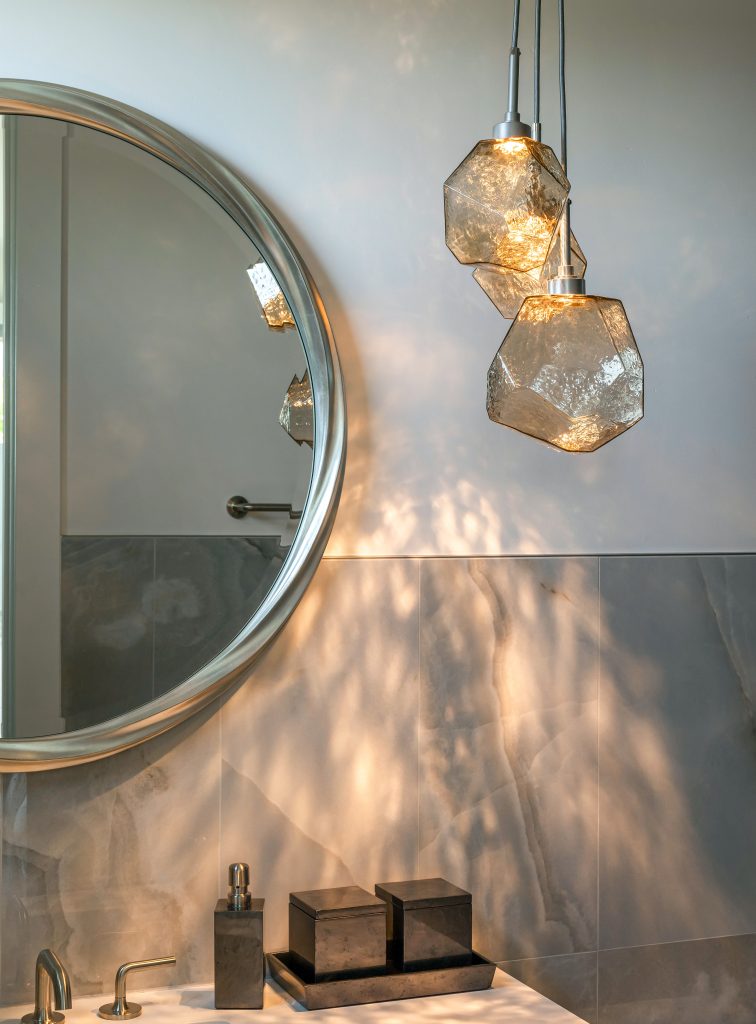
When comparing hand finished fixtures to their mass-produced counterparts, several tangible differences emerge. Hand finished pieces typically display superior color quality, richer material depth, and intentional design variations that create visual interest rather than monotony.
You’ll notice:
- Subtle surface variations that demonstrate authentic craftsmanship
- Higher quality materials chosen for aesthetic and functional performance
- Precise proportioning that accounts for how light interacts with form
- Visible construction techniques that reflect design philosophy
These qualities transform lighting from functional necessity into sculptural focal points that enhance interior environments.
Why Interior Designers Choose Hand Finished Lighting
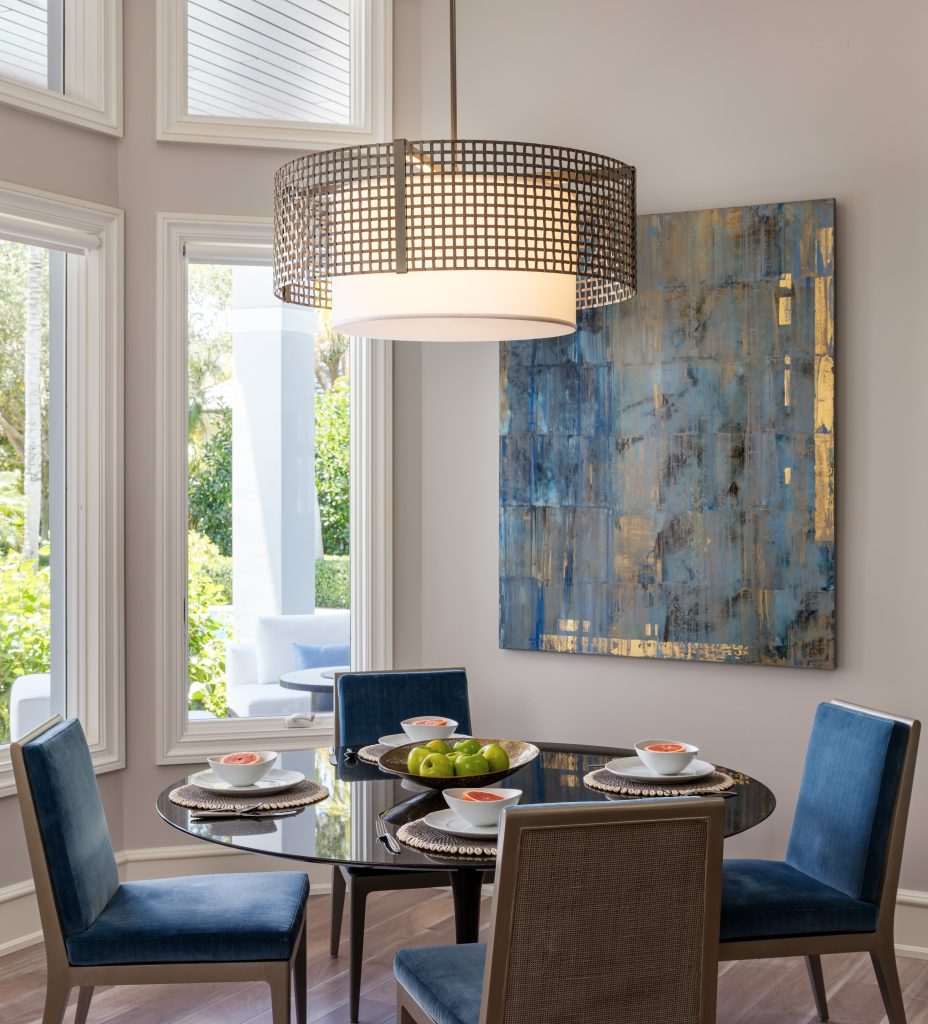
Luxury residential projects demand fixtures that reflect client investment and design intention. Hand finished lighting delivers this in ways mass production cannot match.
Designers select hand finished pieces because they:
- Provide distinctive aesthetic alternatives unavailable in commercial catalogs
- Allow customization that solves specific spatial challenges
- Create visual cohesion aligned with luxury interior standards
- Demonstrate craftsmanship that clients recognize and appreciate
- Offer design value through artisan quality that justifies investment
Unique Artistic Qualities and Craft Processes
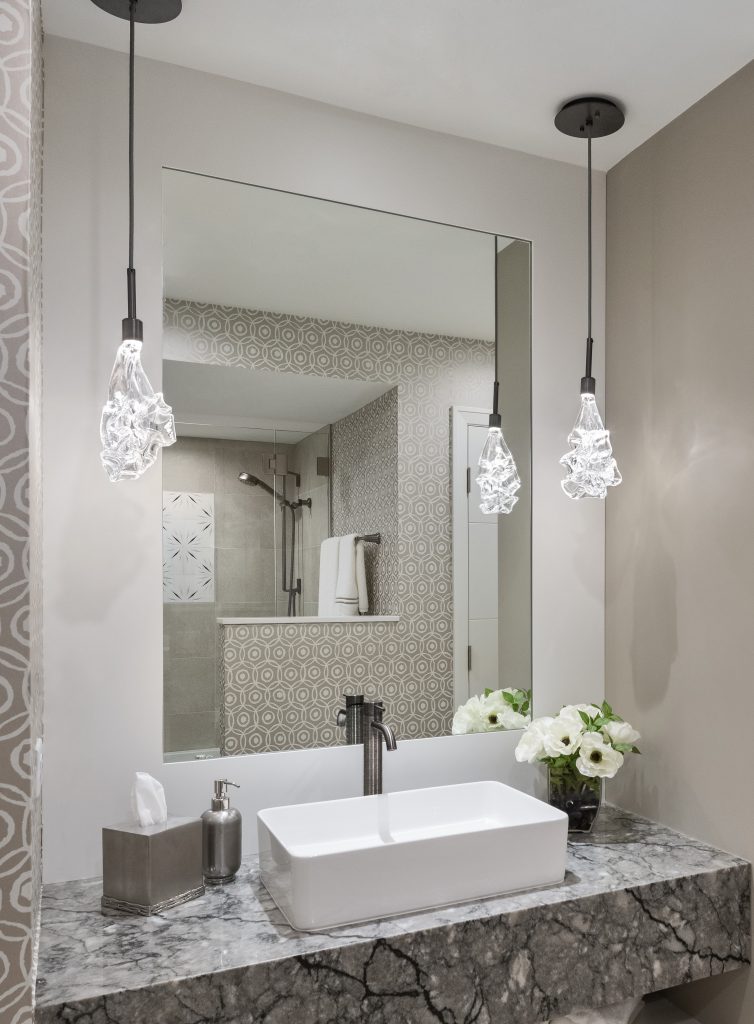
Hand finished lighting transcends functional illumination by introducing artistic intention into every fixture. Unlike standardized products rolling off assembly lines, each hand finished piece carries the signature of skilled craftspeople who shape materials into distinctive works.
The artistic qualities emerge from processes that cannot be automated or replicated identically. Craftspeople apply manual texturing, polishing, and surface treatments that result in one-of-a-kind fixtures with visual character and emotional depth.
What Makes Craft Processes Distinct
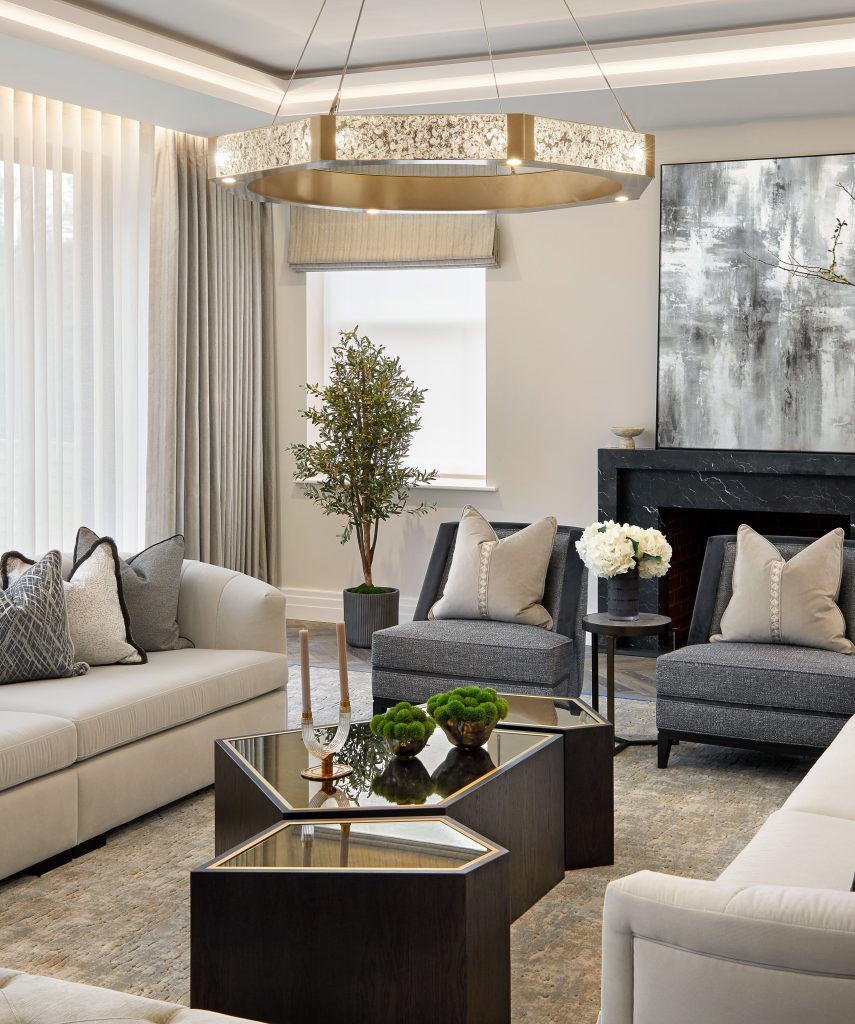
Hand finishing involves deliberate artistic choices that occur throughout production. Rather than following rigid manufacturing specifications, artisans respond to material behavior, client vision, and design nuance.
Key craft processes include:
- Glass manipulation where heat and hand-shaping create unique forms and optical effects
- Metal finishing involving patination, forging, and surface texturing by hand
- Color layering applied selectively to achieve depth and subtle tonal variations
- Detail work where craftspeople add signature elements that define character
- Material selection choosing pieces based on aesthetic qualities, not just functionality
Each process demands skill developed over years of practice. A craftsperson learns to read material responses, adjust techniques in real-time, and make artistic decisions that mass production cannot accommodate.
Hand finished lighting creates one-of-a-kind pieces where no two fixtures are exactly identical—this irregularity is the signature of authentic craftsmanship.
The Artistic Impact in Luxury Interiors

When hand finished lighting enters a luxury space, it transforms the room’s visual narrative. The unique textures, color depth, and subtle irregularities provide character that demonstrates thoughtful curation rather than generic filling of functional needs.
Clients recognize this distinction immediately:
- Surfaces show intentional variation rather than monotonous uniformity
- Colors display richer complexity and emotional resonance
- Forms reflect artistic vision rather than manufacturing constraints
- Details reveal craftsmanship that invites closer inspection
This artistic quality elevates interiors by signaling that design decisions reflect careful aesthetic consideration, not budget limitations.
How Craftspeople Create Visual Interest
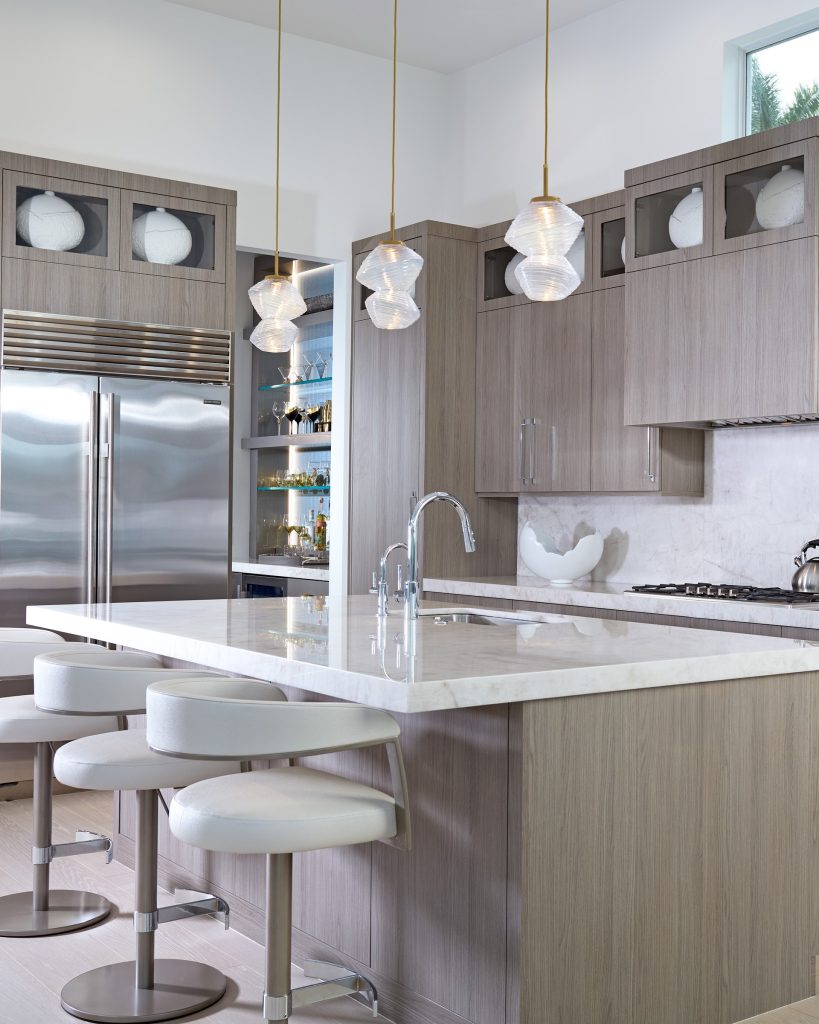
Artisans understand that artistic qualities enhance perception of luxury through intentional design choices. They manipulate materials and finishes for optimal visual and symbolic impact within curated environments.
They accomplish this by:
- Creating surface variations that catch light unpredictably
- Layering finishes to develop tonal richness
- Proportioning fixtures to create visual drama
- Selecting materials for their inherent beauty, not just durability
These decisions transform lighting from background element into focal point.
Pro tip: When presenting hand finished lighting to clients, photograph pieces under various lighting conditions—morning light, evening ambient glow, and direct illumination each reveal different artistic qualities and help clients understand the craftsmanship investment.
Customization and Design Versatility for Interiors
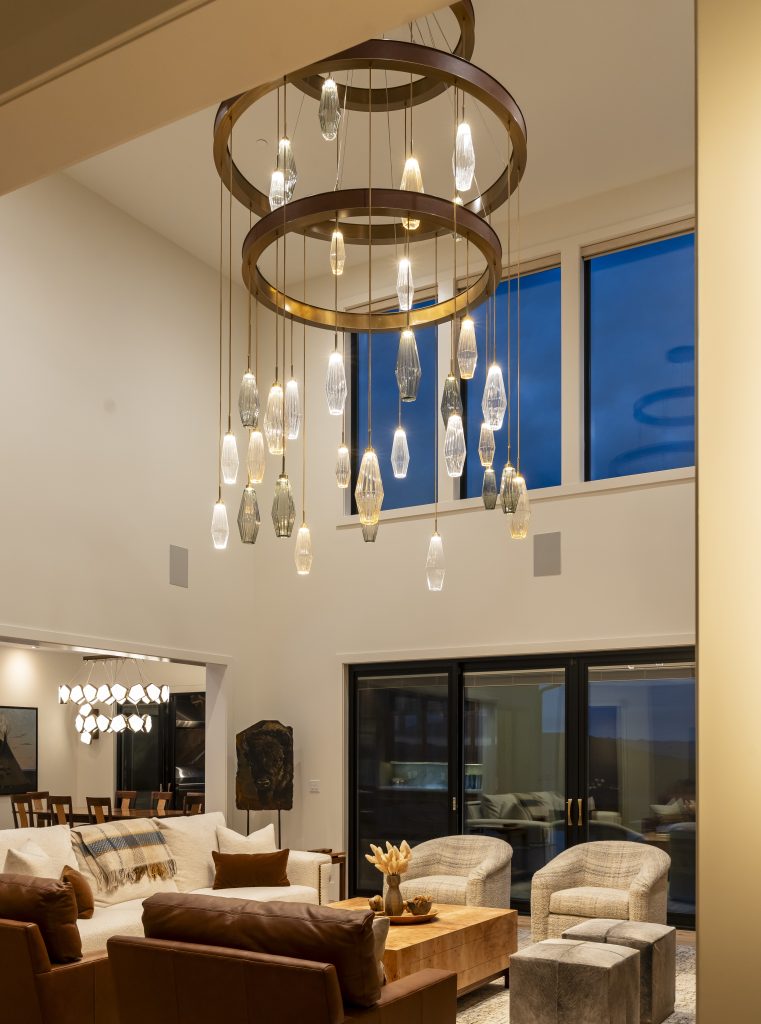
Mass-produced lighting forces designers into a constrained box: choose from what’s in stock or wait months for standard options. Hand finished lighting flips this dynamic entirely. You control the outcome through customization at every level, from finish color to form proportions to material selection.
This flexibility transforms how designers solve spatial challenges. Rather than forcing a room to accommodate a fixture, you shape the fixture to honor the room’s unique character and functional requirements.
Tailoring Finishes to Interior Styles
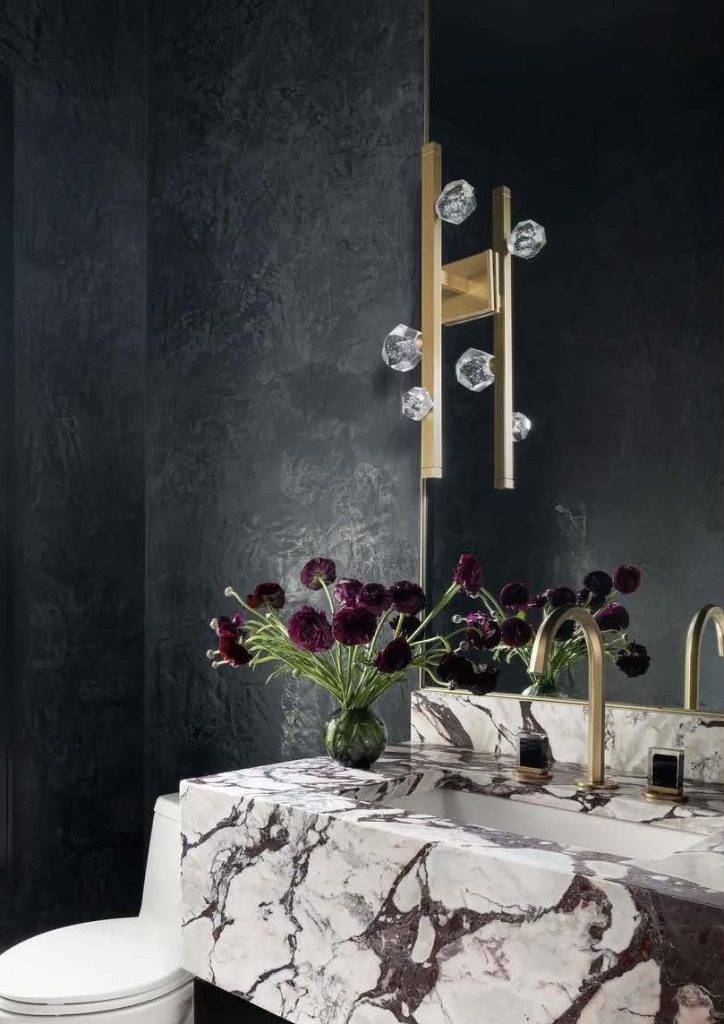
Hand finishing allows finishes to be tailored to complement interior styles, color schemes, and textures uniquely. A designer working with warm bronze metallics in a contemporary space can specify that exact finish rather than accepting standard options.
Customization possibilities include:
- Metal finishes from polished brass to aged patina to brushed steel
- Glass colors whether clear, smoke, amber, or custom tints
- Surface textures from smooth to rippled to heavily textured
- Coating options matte, satin, or high-gloss depending on aesthetic intent
- Accent details gilding, copper inlays, or decorative elements
Each choice directly impacts how light reflects and how the fixture integrates visually with surrounding materials. This level of control is impossible with standard catalog products.
Customization means you’re not adapting your design vision to available fixtures—you’re adapting fixtures to your design vision.
Matching Function to Aesthetic Requirements
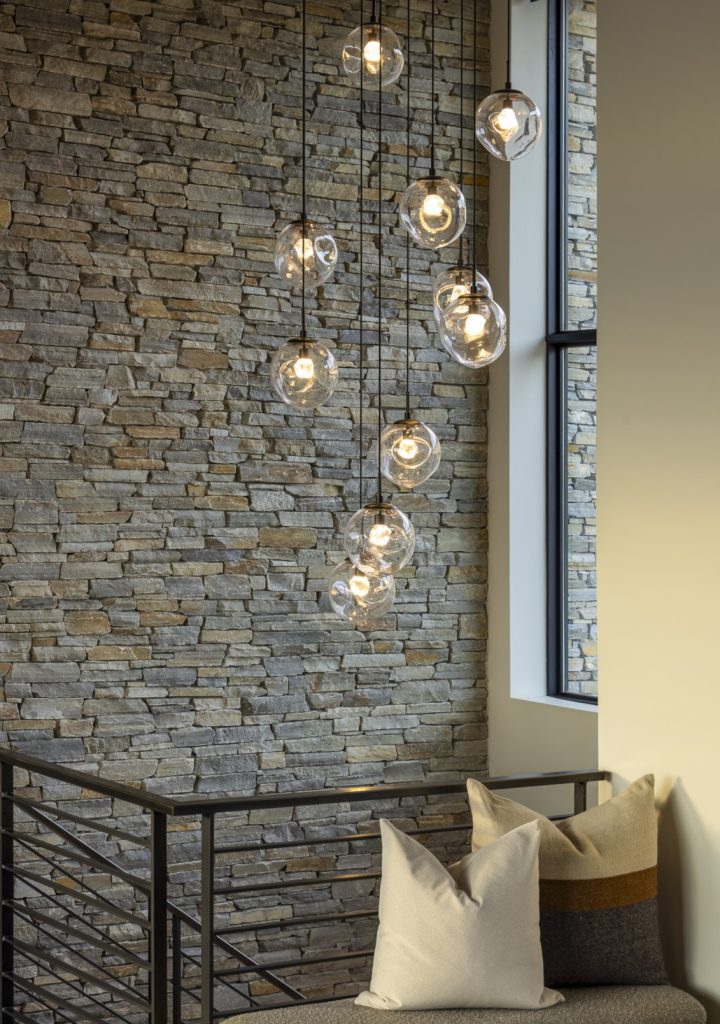
Beyond visual appeal, hand finishing enables design customization to meet the needs of different spaces. A residential project requires different approaches than a commercial environment, and customization ensures fixtures serve both purposes seamlessly.
You can specify:
- Scale adjustments to fit architectural proportions precisely
- Material combinations that honor interior textures
- Light distribution patterns suited to room layout
- Functional features integrated into aesthetic design
This integration enhances user experience because form and function align rather than conflict.
Creating Spatial Narratives Through Versatility
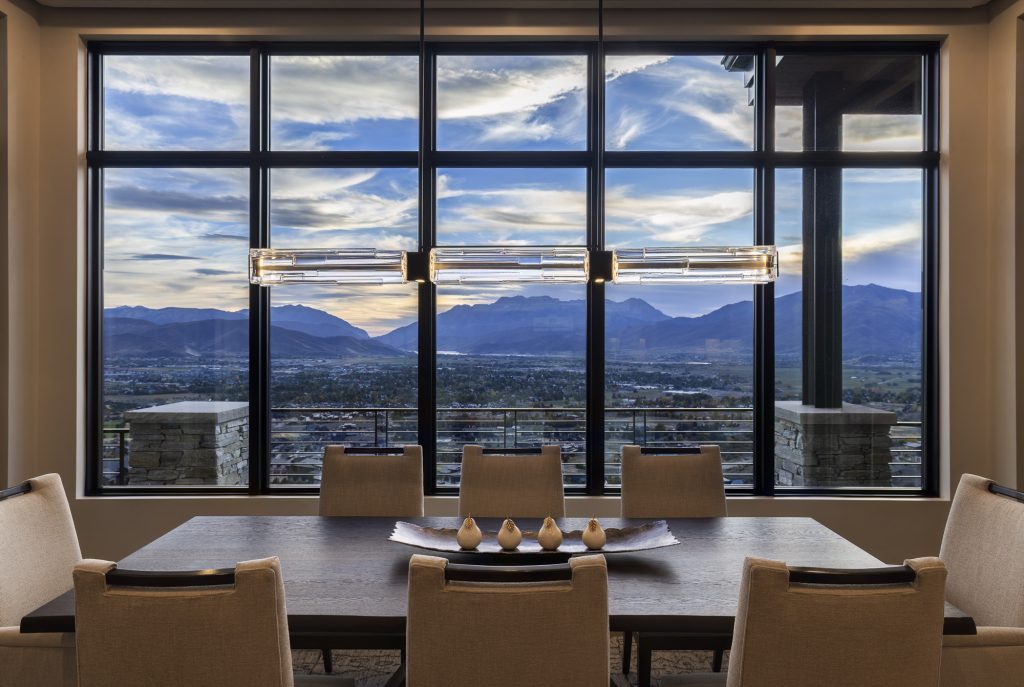
Hand finishing supports diverse architectural concepts by modifying finishes for color, texture, and reflectance to support intended mood and spatial narrative. A transitional interior demands different lighting character than maximalist or minimalist spaces.
Designers leverage this versatility to:
- Establish visual continuity across mixed material palettes
- Create focal points that command attention or recede as needed
- Support thematic narratives—whether understated luxury or dramatic impact
- Adapt fixtures as design concepts evolve during projects
This versatility transforms hand finished lighting from functional component into design partner.
Pro tip: Request finish samples and scaled mockups before finalizing specifications—seeing how proposed finishes interact with actual interior materials and lighting conditions prevents costly surprises and ensures customized fixtures exceed expectations.
Comparing Hand Finished and Mass Produced Fixtures
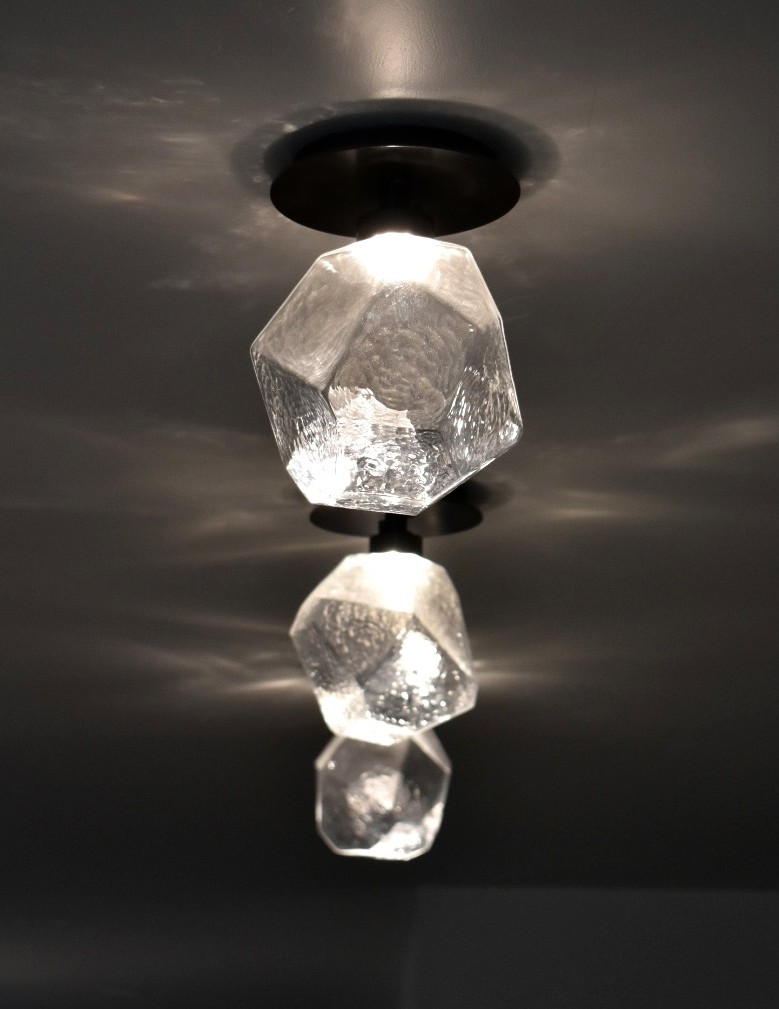
The difference between hand finished and mass-produced lighting becomes obvious the moment you place them side by side. One tells a story of craft and intention. The other speaks to efficiency and standardization. For luxury residential projects, that distinction matters profoundly.
Understanding these differences helps you make informed decisions about which fixtures serve your clients’ spaces and budgets. Not every project demands hand finished work, but knowing when it does separates exceptional designers from average ones.
Material Quality and Durability
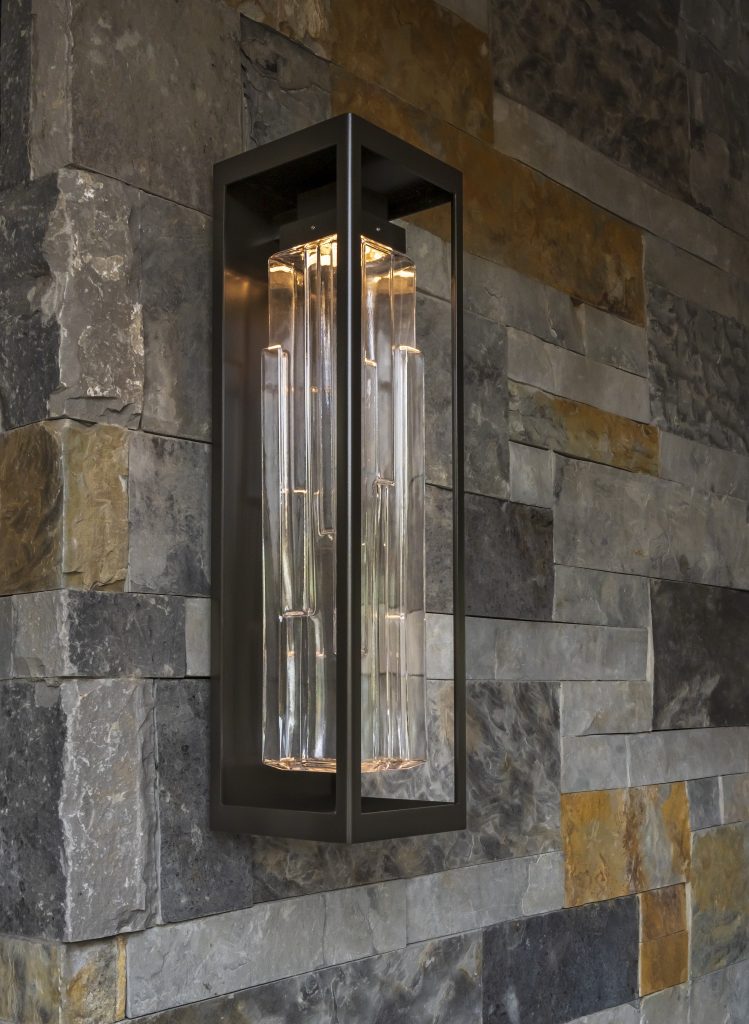
Hand finished fixtures begin with superior material selection. Craftspeople choose components for aesthetic character and longevity, not just cost minimization. Hand finished items are valued for craftsmanship, uniqueness, and perceived quality that contrasts sharply with mass production uniformity.
Mass-produced fixtures prioritize standardized materials that can be sourced globally at lowest cost. This approach reduces waste in manufacturing but often results in materials chosen for machinability rather than beauty or lasting performance.
Key differences include:
- Glass quality hand-selected versus commodity-grade bulk sourcing
- Metal composition chosen for patina development versus cost efficiency
- Finish durability applied through multiple hand techniques versus single industrial coating
- Construction methods supporting material longevity versus rapid assembly
Visual Impact and Customization
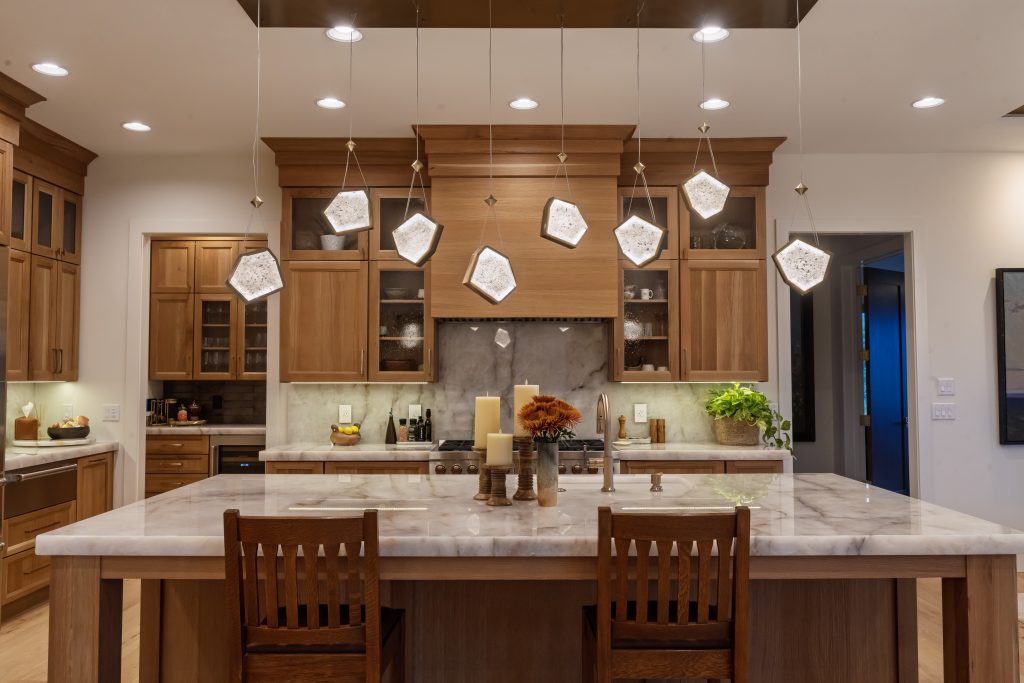
Mass production demands uniformity—every fixture rolls off the line identical. Hand finishing celebrates variation as evidence of authentic craft. Hand finished fixtures deliver richer textures, greater customization, and improved light quality compared to mass-produced alternatives.
This means:
- Each hand finished piece carries unique character and subtle variation
- Mass-produced fixtures appear identical, creating monotonous visual repetition
- Customization options exist only within strict catalog parameters for mass production
- Hand finished work adapts to your design vision rather than constraining it
Mass production trades uniqueness for efficiency. Hand finishing trades efficiency for artistry.
Performance and Light Quality

How light behaves differs significantly between approaches. Hand finished fixtures often feature carefully considered optical design where craftspeople shape glass and polish surfaces to control light distribution intentionally.
Mass-produced fixtures optimize for manufacturing speed, which sometimes compromises light quality. Surfaces may be slightly rough, colors less vibrant, or proportions less refined because those factors don’t affect factory throughput.
In luxury interiors, light quality matters enormously. Clients notice whether light feels warm or harsh, whether fixtures create visual drama or visual clutter, whether illumination enhances or diminishes surrounding materials.
Cost Implications for Projects
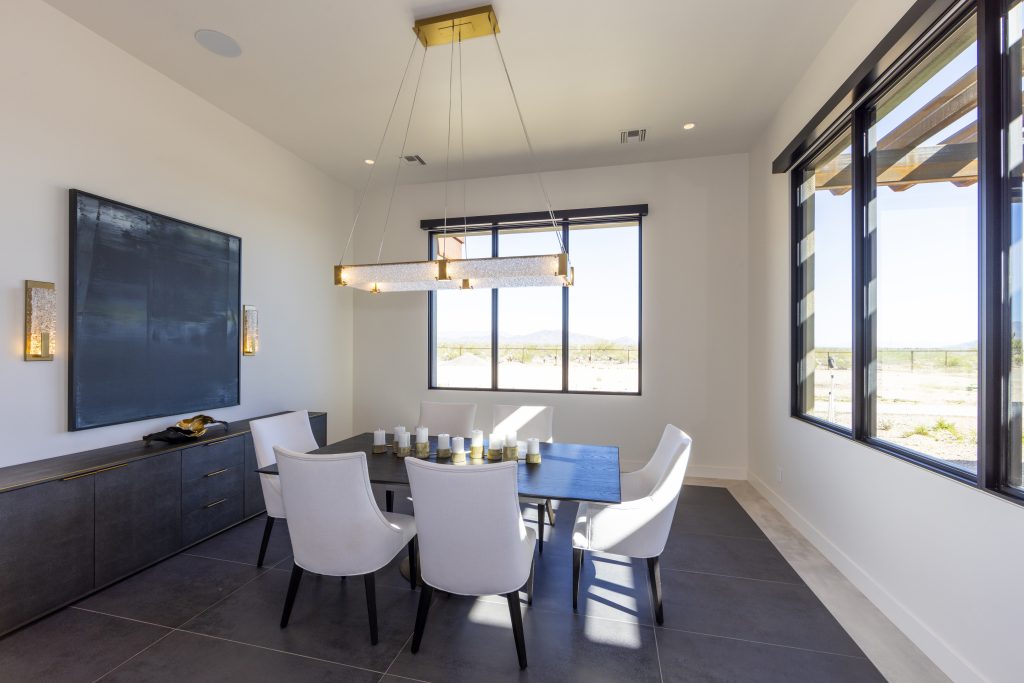
Hand finished lighting costs more upfront. Materials cost more. Labor costs more. Lead times extend from weeks to months in some cases. But this investment delivers fixtures that appreciate rather than depreciate, develop richer character over time, and communicate luxury through authentic craftsmanship.
Mass-produced options cost less initially but may require replacement sooner, offer limited personalization, and lack the distinctive character luxury clients expect.
Here is a comparison of hand finished versus mass-produced lighting across key project criteria:
| Aspect | Hand Finished Lighting | Mass-Produced Lighting |
|---|---|---|
| Craftsmanship | Custom artisanal work | Automated, uniform assembly |
| Material Selection | Chosen for beauty and longevity | Chosen for cost and scalability |
| Customization Options | Wide range, tailored to project | Limited to catalog choices |
| Visual Uniqueness | Each piece is distinctly different | All fixtures look the same |
| Lifecycle Value | Ages gracefully, adds long-term value | May depreciate, replaced more often |
Pro tip: When presenting fixture options to clients, photograph both hand finished and mass-produced alternatives under identical lighting conditions—the visual quality difference becomes undeniable and justifies the investment in superior craftsmanship.
Sourcing, Value, and Real-World Project Benefits

Choosing where to source hand finished lighting shapes project outcomes dramatically. Quality sources deliver fixtures that elevate spaces. Poor sourcing choices result in disappointment, delays, and frustrated clients. Understanding what separates exceptional suppliers from mediocre ones protects your reputation and project timeline.
The value proposition of hand finished lighting extends beyond aesthetics into measurable project benefits that justify investment and create client loyalty.
Finding Trusted Sources

Sourcing hand finished lighting means selecting craftspeople and suppliers committed to quality at every stage. Look for sources with proven track records in luxury residential work, transparent communication about timelines, and willingness to collaborate on custom specifications.
Reliable suppliers demonstrate:
- Production transparency showing workshop processes and material selection methods
- Craftsmanship credentials with portfolios documenting previous luxury projects
- Communication clarity responding promptly to specifications and questions
- Quality guarantees standing behind workmanship and material durability
- Customization flexibility adapting designs to unique project requirements
Visiting workshops when possible reveals commitment to quality that emails and phone calls cannot convey. You’ll observe material handling, craftspeople expertise, and production standards firsthand.
The right lighting source becomes a design partner, not just a vendor.
How Hand Finished Lighting Adds Project Value
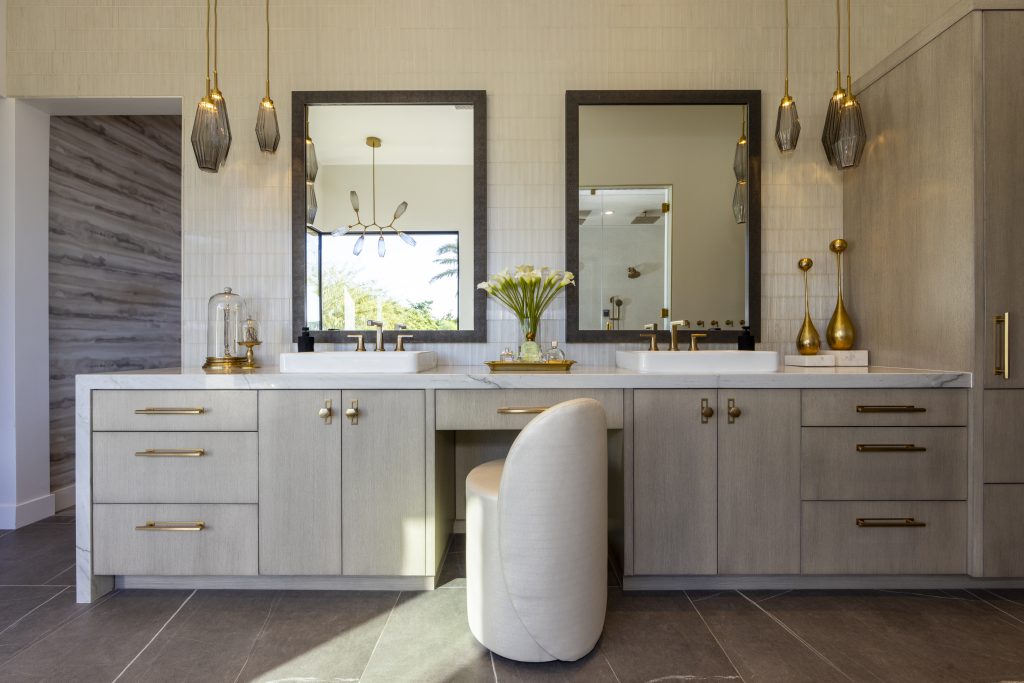
Hand finished lighting adds value through enhanced visual and emotional appeal, longevity, and differentiation. This translates into tangible benefits across residential projects.
Value emerges through:
- Elevated aesthetic impact transforming ordinary rooms into distinctive spaces
- Client satisfaction exceeding expectations through craftsmanship quality
- Design differentiation setting projects apart from competitors’ work
- Longevity benefits fixtures that age gracefully rather than deteriorate
- Luxury perception communicating investment and design intention clearly
Clients recognize these qualities immediately. They photograph better. They feel more luxurious. They justify higher pricing for your design services.
Real-World Project Benefits
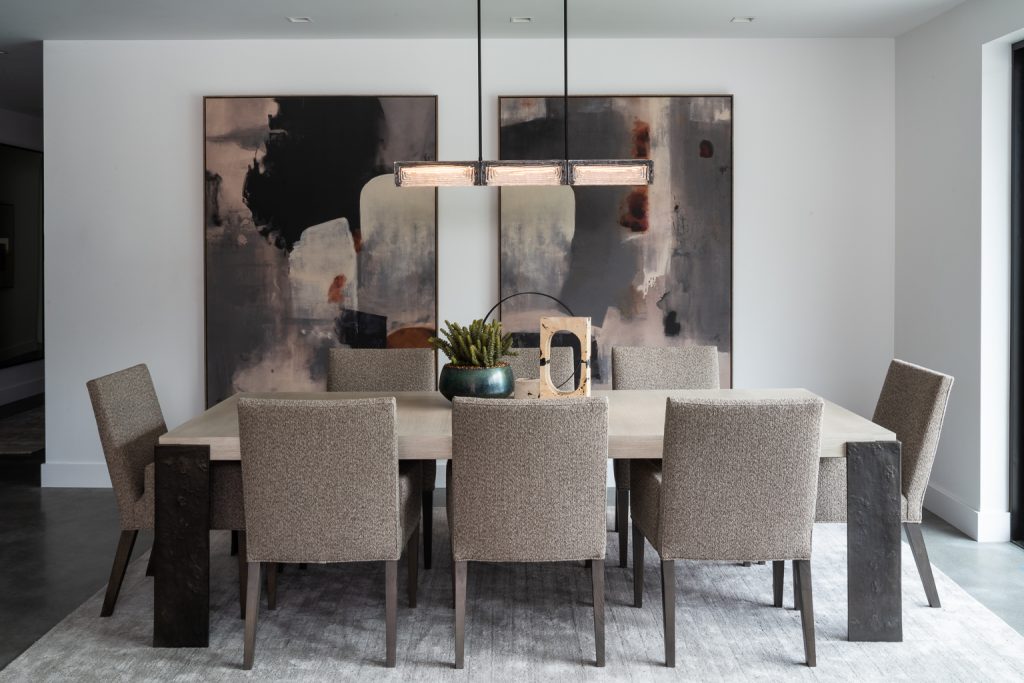
Designers incorporating hand finished lighting report consistent advantages across projects. Client feedback emphasizes how fixtures become conversation pieces, how lighting quality enhances material perception, and how customization solved spatial challenges mass-produced options couldn’t address.
Practical benefits include:
- Reduced design compromises solving specific lighting challenges through customization
- Enhanced material perception fixtures that complement rather than compete with surfaces
- Stronger design narratives lighting that supports cohesive interior stories
- Improved client retention satisfaction that leads to referrals and repeat business
- Portfolio strengthening projects featuring distinctive fixtures photograph dramatically better
These benefits compound over time. Each successful hand finished lighting project builds your reputation, increases client expectations, and differentiates your work in competitive luxury markets.
The table below summarizes practical benefits designers gain from sourcing hand finished lighting:
| Benefit | Project Advantage | Design Impact |
|---|---|---|
| Enhanced Narratives | Supports cohesive space storytelling | Fixtures become room focal points |
| Client Satisfaction | Exceeds luxury expectations | Increases referral opportunities |
| Custom Problem-Solving | Solves unique spatial challenges | Matches architecture precisely |
| Portfolio Value | Creates dramatic, photogenic interiors | Differentiates designer’s work |
Pro tip: Build relationships with one or two exceptional hand finished lighting sources rather than shopping multiple suppliers—consistency in quality, communication, and craftsmanship creates reliable partnerships that streamline projects and ensure predictable outcomes.
Elevate Your Interior with Hammerton Studio
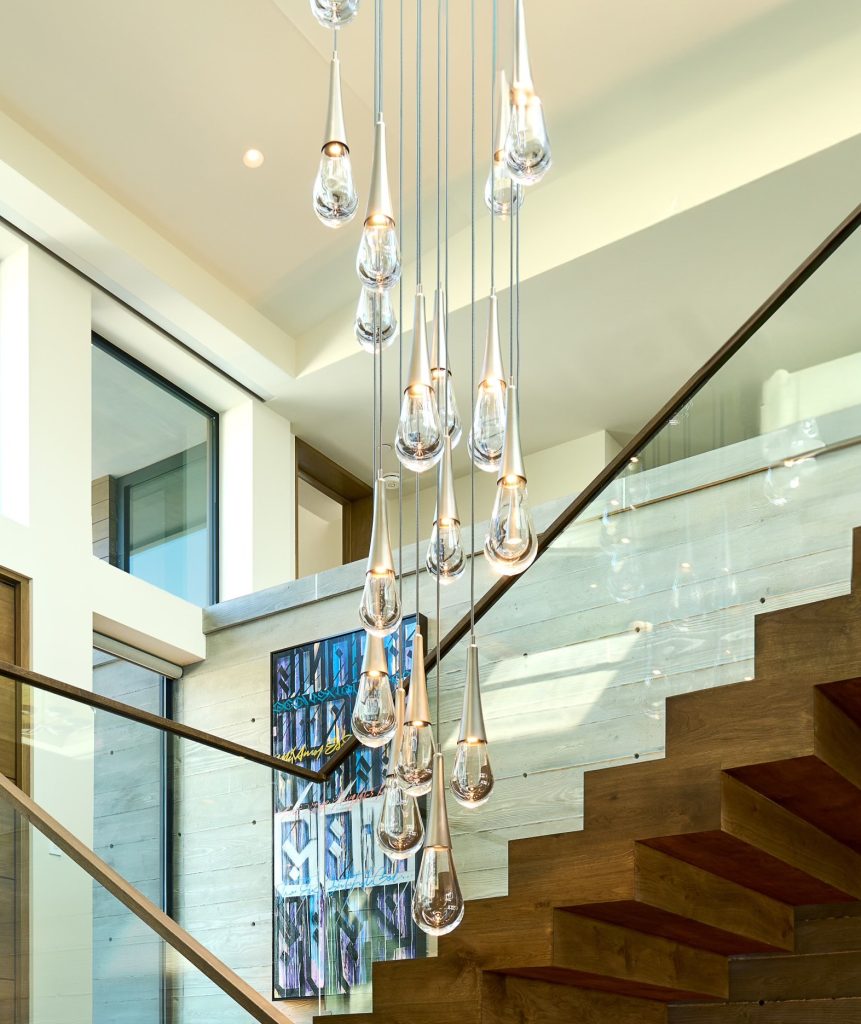
The article highlights the importance of hand finished lighting for transforming luxury interiors through unique craftsmanship, superior materials, and customized finishes. If your goal is to overcome challenges like standardized mass production, lack of customization, and visual monotony in lighting design, Hammerton Studio offers the perfect solution. Our artisans deliver extraordinary decorative lighting that responds to the precise needs of upscale spaces by tailoring every fixture with American artisan craftsmanship, ensuring each piece becomes a sculptural focal point.
Discover how Hammerton Studio combines decades of design leadership with flexible customization to solve spatial challenges while maintaining uncompromising quality. From rich patinas to hand-blown glass and precise metal finishing, our designs highlight every detail—just as the article suggests is vital for interiors demanding authenticity and artistic impact.
Experience the difference that hand finished lighting makes in your projects with Hammerton Studio, where every fixture ships in weeks and reflects over 25 years of innovation. Learn more about our artisanal design process and explore customization options tailored to your unique interior vision.
Illuminate your spaces with lighting that tells a story of craftsmanship and elevates your design narrative.
Looking to transform your luxury interiors with exceptional artisan lighting?
Explore our collections today at Hammerton Studio and bring authentic craftsmanship and bespoke design to your next project. Act now to leverage the unique visual and emotional qualities that only true hand finished lighting can provide.
Frequently Asked Questions
What is hand finished lighting?
Hand finished lighting refers to decorative fixtures that are crafted by skilled artisans rather than being mass-produced. These pieces focus on quality craftsmanship, unique design characteristics, and visual distinction, making them ideal for luxury interiors.
How does hand finished lighting differ from mass-produced lighting?
Hand finished lighting showcases artisanal techniques, resulting in unique textures, superior color quality, and intentional design variations. In contrast, mass-produced lighting often prioritizes uniformity, using standardized processes and materials that result in identical products.
Why should I consider hand finished lighting for my interior design project?
Hand finished lighting adds a distinctive aesthetic to luxury spaces, offering customization that aligns with specific design intentions. It demonstrates craftsmanship and attention to detail, elevating the overall design narrative and visual impact of an interior.
What are the benefits of customizing hand finished lighting?
Customizing hand finished lighting allows you to tailor aspects such as finish color, material selection, and proportion to perfectly fit a specific space. This flexibility enhances the overall aesthetic and ensures that the fixture serves both functional and decorative purposes harmoniously.
Recommended
- Lighting Design Tips for Interiors: Achieve Luxurious Results | Hammerton Studio
- Luxury Lighting Styles Explained | Hammerton Studio
- Living Room Light Fixture Ideas for Luxury Homes | Hammerton Studio
- Handcrafted Lighting Guide | Hammerton Studio
- Home Blinds Australia | Custom Blinds, Curtains & Shutters
- High-Performance 3D Interior Design Rendering Services – MaxCloudON