Designer Lighting: Balancing artistry, precision, and innovation
Over 60 percent of American architects believe lighting design has the power to completely transform a space. Designer lighting is not simply about brightness or utility; it defines atmosphere, sculpts interiors, and brings architectural vision to life. Exploring the world of designer lighting reveals a balance of artistry, precision, and innovation that elevates both aesthetic and functional value in residential and commercial environments alike.
Table of Contents
- What Defines Designer Lighting Solutions
- Types of Designer Lighting and Key Styles
- Unique Features and Construction Standards
- Benefits of Investing in Designer Lighting
- Financial and Aesthetic Return on Investment
Key Takeaways
| Point | Details |
|---|---|
| Designer Lighting Solutions Enhance Spaces | These solutions go beyond mere illumination by integrating art, science, and engineering to create immersive environments. |
| Types of Lighting Strategies | Variations such as ambient, task, and accent lighting serve distinct purposes, enhancing both functionality and aesthetic qualities. |
| Investment Value | Designer lighting contributes to increased property value, improved mood, and energy efficiency, making it a strategic investment. |
| Aesthetic and Financial Returns | Comprehensive lighting investments provide multifaceted returns through enhanced spatial perception and potential cost savings over time. |
What Defines Designer Lighting Solutions
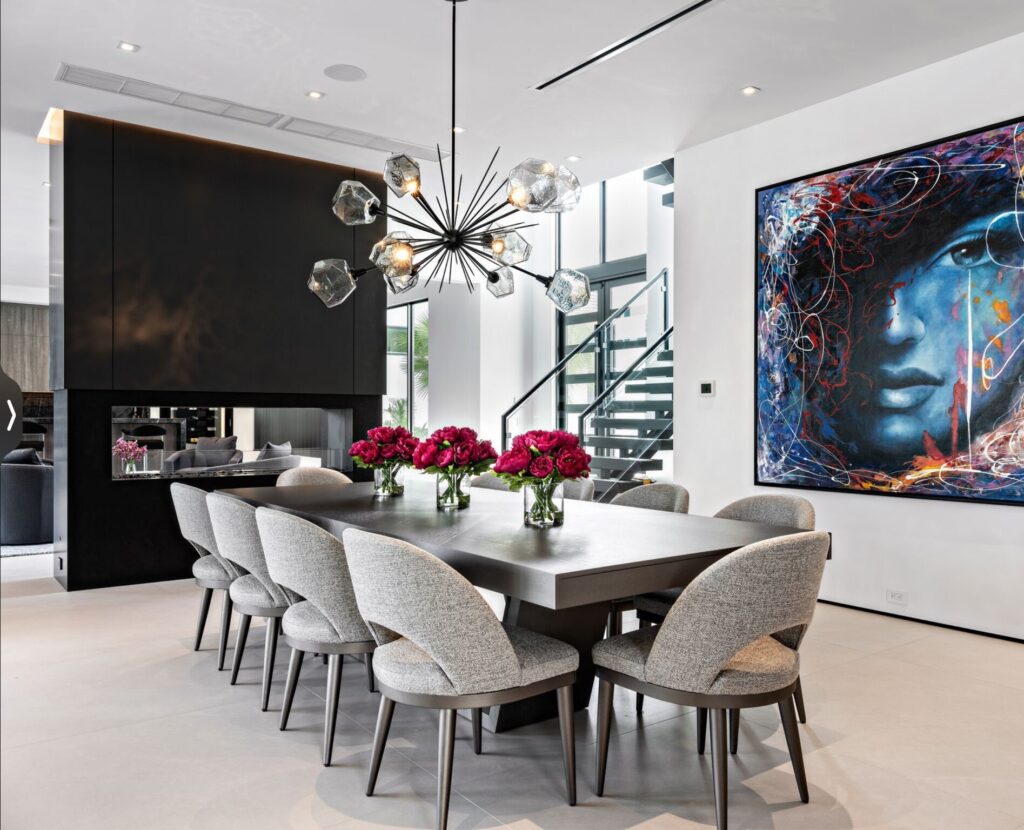
Designer lighting extends far beyond functional illumination. It represents sculptural expressions of architectural intent, supported by precision engineering and refined craftsmanship. Within this category, it is developed with deliberate attention to proportion, materiality, and light behavior, ensuring each fixture contributes meaningfully to the surrounding space.
At its core, designer-quality lighting involves intentional illumination strategies that achieve multiple objectives at once. These solutions are created to enhance visual comfort, establish atmosphere, and function as artistic focal points. Unlike mass-produced fixtures, luxurious lighting accounts for the interaction between light, surface, texture, and human experience.
A defining element within this realm is blown glass lighting, where molten glass is shaped by skilled artisans to create organic forms and nuanced light diffusion. Blown glass lighting introduces depth, movement, and individuality, making each piece inherently unique.
Key characteristics that distinguish designer lighting include:
- Exceptional material craftsmanship
- Precision engineering
- Architectural integration
- Advanced lighting technology
- Customization and scalability
The most compelling lighting transcends function. It becomes an architectural tool that guides the eye, sets emotional tone, and reveals spatial nuance. Through techniques such as layered illumination and blown glass lighting forms, these fixtures communicate a philosophy of thoughtful, human-centered design.
Types of Designer Lighting and Key Styles
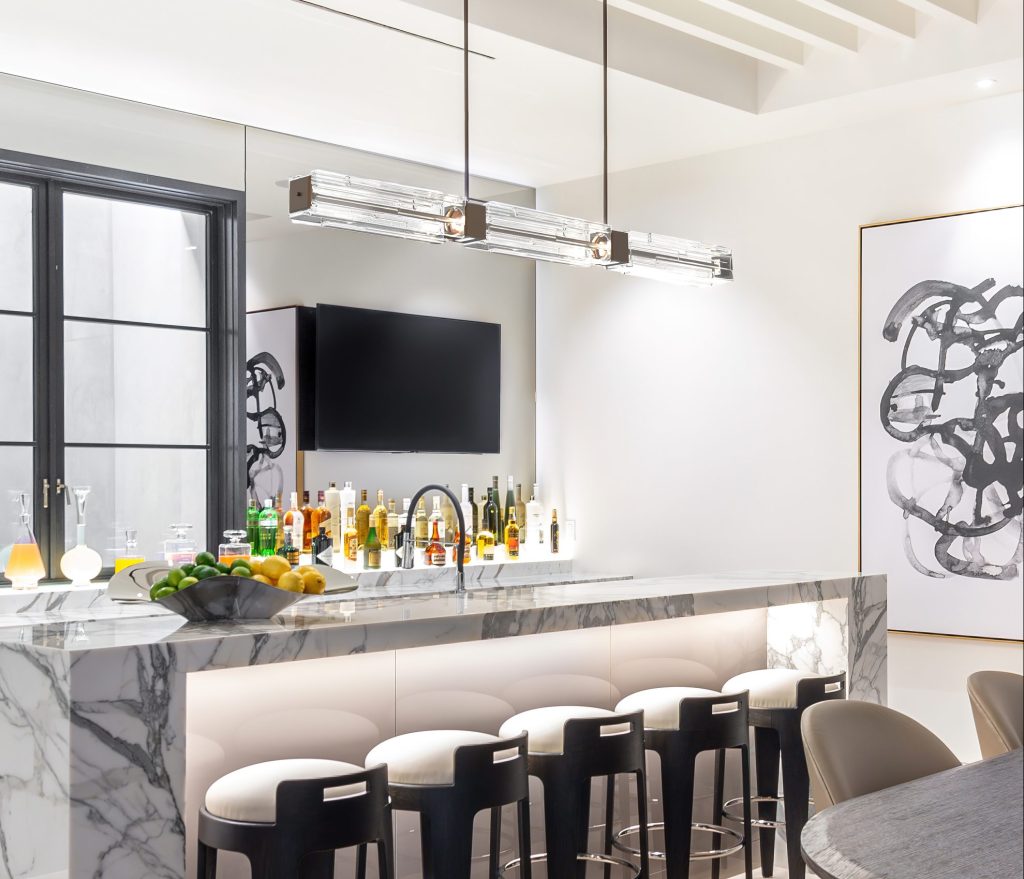
Decorative lighting encompasses a wide range of applications, from subtle ambient solutions to statement-making installations. Designers use it to shape how a space feels and functions, treating light as a core architectural material rather than an afterthought.
Primary categories include ambient, task, accent, and decorative lighting. Within decorative applications, blown glass lighting plays a significant role, offering sculptural silhouettes and soft diffusion that enhance both modern and transitional interiors.
Common approaches include:
- Ambient illumination for overall balance
- Task lighting for focused performance
- Accent lighting to highlight form and texture
- Decorative and blown glass lighting for visual emphasis
- Controlled shadowing for depth and contrast
By combining these approaches, these solutions create environments that feel layered and intentional. The integration of blown glass lighting adds warmth and artistry, while maintaining the technical performance required in high-end architectural spaces.
Unique Features and Construction Standards
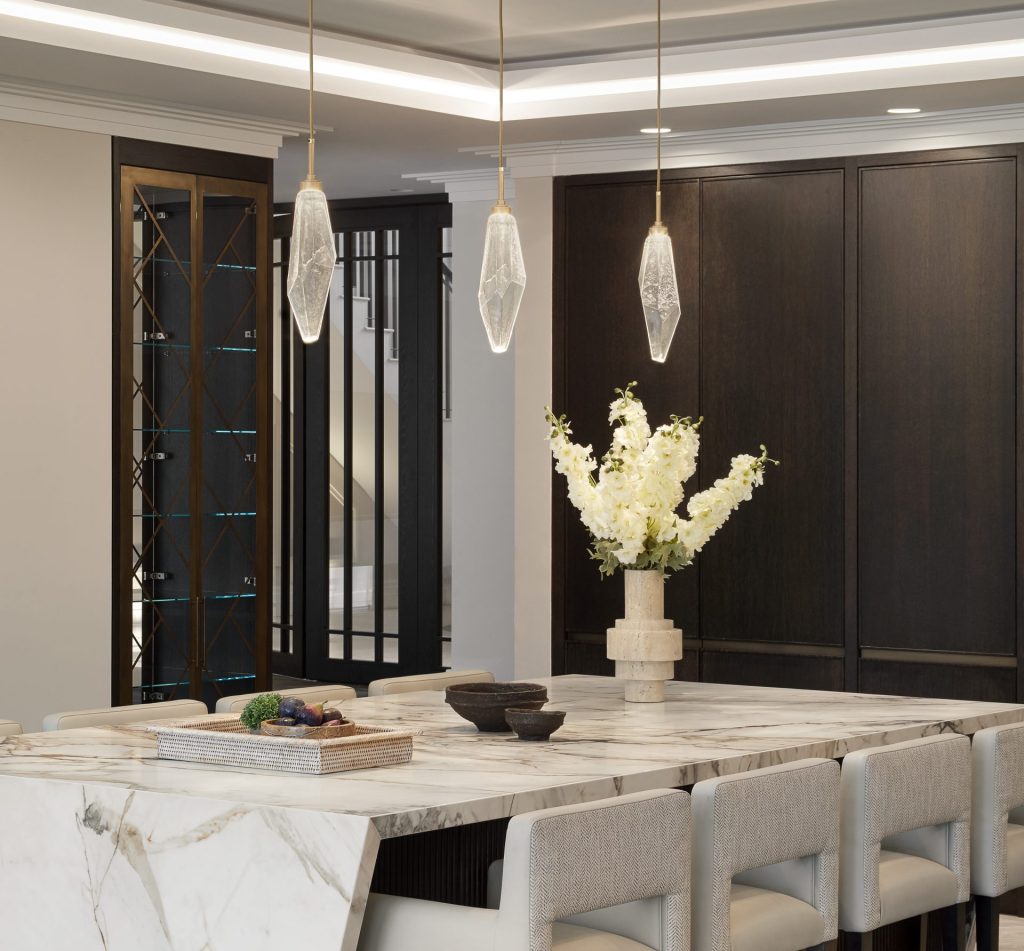
High-end lighting is defined by the intersection of innovation and craftsmanship. Advanced modeling, prototyping, and testing ensure each designer lighting fixture meets rigorous performance and quality standards.
Construction begins with premium materials, often including hand-shaped components such as blown glass lighting elements. These pieces are engineered to distribute light evenly, reduce glare, and maintain visual harmony within the fixture as a whole.
Key construction standards include:
- Premium metals and artisan glass
- Optical precision and balance
- Thermal and electrical integrity
- Glare mitigation and diffusion control
- Custom finish and scale options
- Sustainable production practices
In luxury applications, blown glass lighting is carefully paired with engineered light sources to achieve consistency and longevity. The result is lighting that performs as beautifully as it looks, maintaining clarity and impact over time.
Benefits of Investing in Designer Lighting
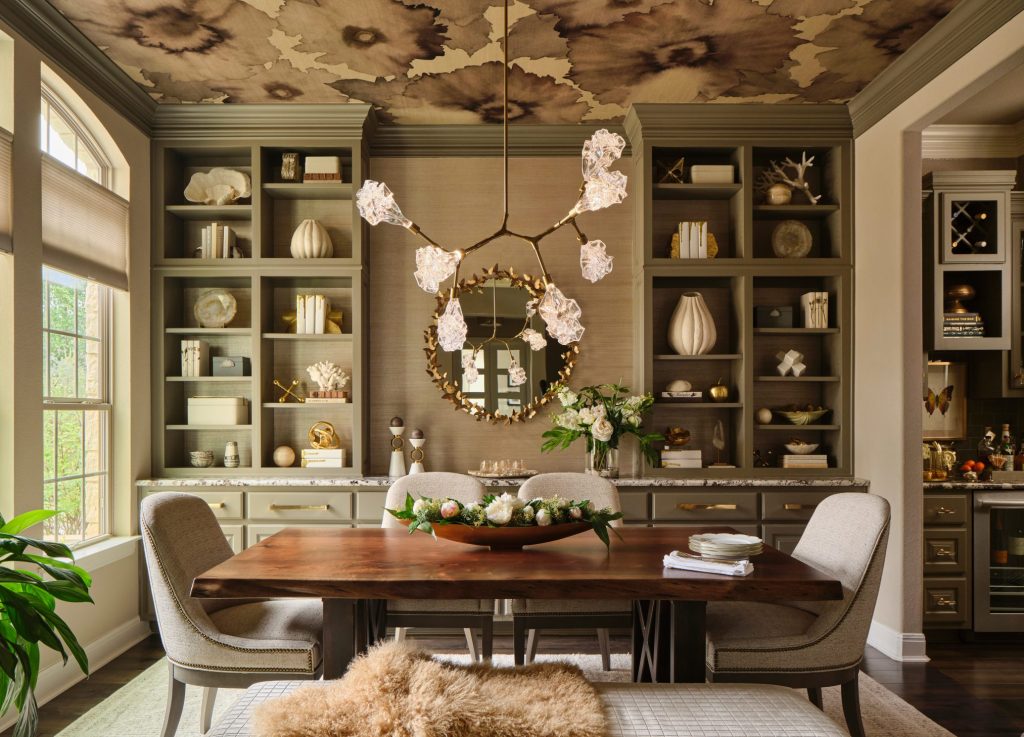
Thoughtful lighting design delivers benefits that extend well beyond illumination. Designer-quality lighting enhances daily experience by supporting comfort, focus, and emotional well-being, while reinforcing architectural character.
Luxury lighting solutions are also long-term investments. High-quality construction, replaceable components, and timeless design contribute to lasting value. When paired with blown glass lighting, these benefits are further amplified through craftsmanship that resists trends and emphasizes authenticity.
Key benefits include:
- Elevated visual experience
- Improved mood and productivity
- Enhanced architectural clarity
- Long-term durability
- Energy-efficient performance
- Customization for evolving needs
Within American-made collections, decorative lighting reflects a commitment to quality and intention. Blown glass lighting, in particular, showcases the value of handcraft in an increasingly automated world.
Financial and Aesthetic Return on Investment
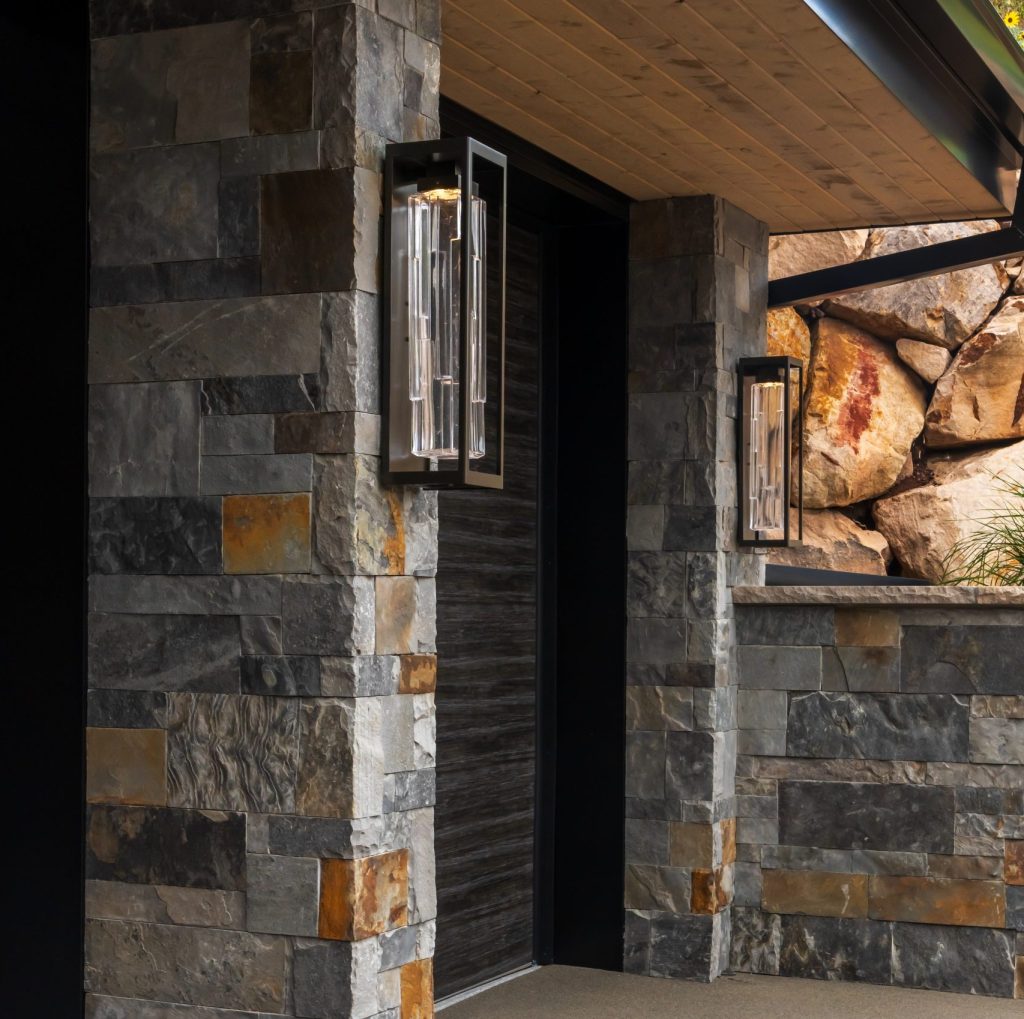
Architectural professionals recognize that designer-quality lighting delivers measurable returns. Beyond visual refinement, it contributes to increased property value, reduced maintenance, and efficient energy use.
When integrated early in the design process, decorative lighting supports cohesive architectural storytelling. Blown glass lighting elements serve as focal points that elevate perceived value while maintaining functional performance.
Key returns include:
- Stronger market appeal
- Improved spatial perception
- Lower long-term operational costs
- Enhanced occupant experience
- Sustained aesthetic relevance
Expertly-crafted lighting is not a disposable element. Each fixture represents a lasting investment, balancing performance, beauty, and material integrity through intentional design.
Elevate Your Space with Expertly Crafted Lighting
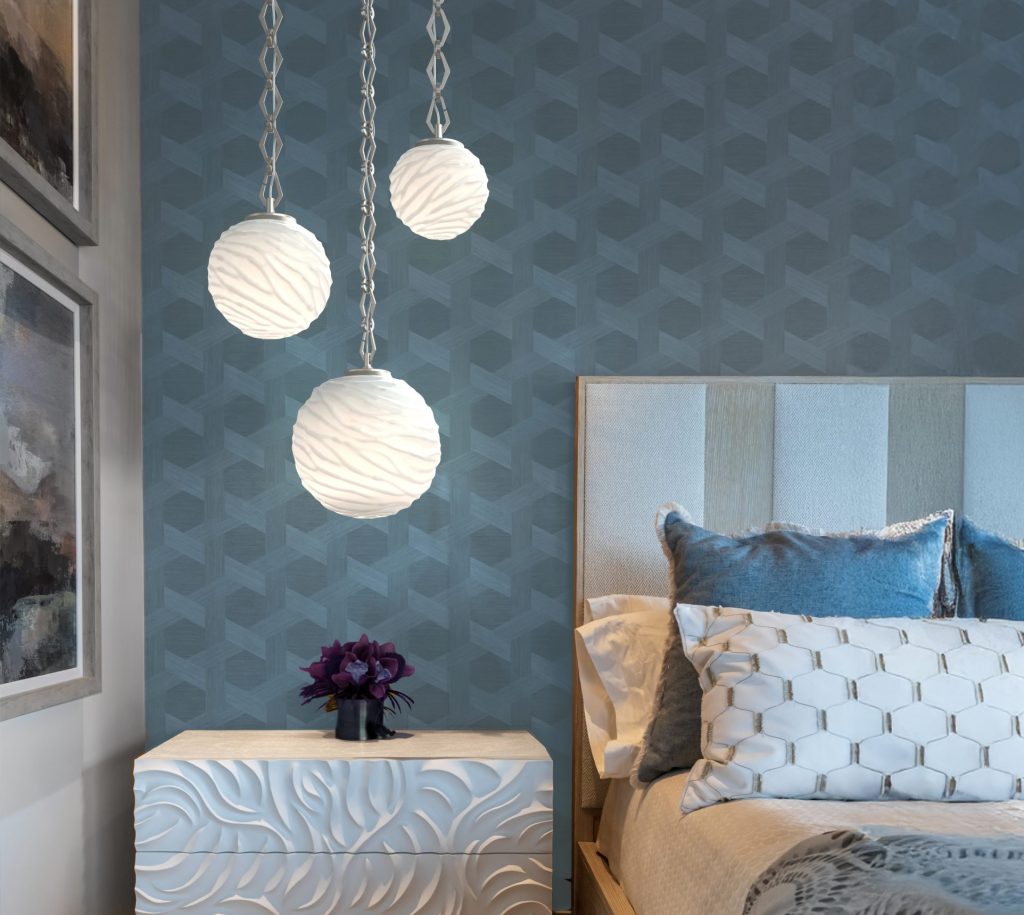
Finding lighting that balances artistry, customization, and performance can be a challenge. Hammerton Studio specializes in lighting that brings these elements together through American craftsmanship and refined engineering. With over 30 years of experience, our collections feature thoughtfully engineered forms, including blown glass lighting, designed to elevate architectural environments.
From ambient installations to sculptural focal points, our luxurious decorative lighting is made to order and tailored to your project’s needs. Each piece reflects a commitment to material integrity, visual harmony, and long-term value.
Explore how handcrafted designer lighting and blown glass lighting can transform your space with intention, performance, and enduring beauty.
Frequently Asked Questions
What are designer lighting solutions?
Designer lighting solutions are sophisticated lighting fixtures that integrate artistic design and technical engineering to enhance visual experience, create ambience, and serve as sculptural elements within a space.
What benefits do THESE FIXTURES offer?
Investing in designer lighting can enhance spatial aesthetics, improve psychological well-being, increase property value, and provide energy efficiency while allowing for customizable atmospheric control.
How do different types of lighting enhance a space?
Different types of designer lighting, such as ambient, task, accent, and decorative lighting, serve various purposes, from highlighting architectural features to creating intimate atmospheres and improving functionality in workspaces.
What key features should I look for in high-end lighting?
When selecting high-end designer lighting, consider factors such as premium material selection, precision optical engineering, glare reduction technologies, customizable light spectrum capabilities, and sustainable manufacturing processes.
ARE YOU A TRADE PROFESSIONAL?
At Hammerton, we know what it takes to deliver exceptional design on tight timelines. Our Trade Account Program offers exclusive discounts, product access, and dedicated support to help you stay ahead.
APPLY NOW and simplify your workflow from concept to completion.