What Is Cast Glass Lighting? A Designer’s Guide
Cast glass lighting occupies a rare position in the world of interior design: it functions beautifully as a light source while simultaneously commanding attention as an art object. Yet many homeowners and designers assume it exists purely for decoration, underestimating its remarkable capacity to shape the quality and character of light in a room. Understanding what cast glass lighting is, how it’s made, and why it behaves so differently from blown glass or metal fixtures opens a entirely new dimension of design possibility. This guide covers the production process, aesthetic qualities, functional benefits, and real-world applications that make cast glass lighting a material of genuine value.
Table of Contents
- Key Takeaways
- What is cast glass lighting and how is it made
- Design character: texture, depth, and visual richness
- Light distribution, ambiance, and practical performance
- Applications: where cast glass lighting performs best
- Choosing and caring for cast glass fixtures
- Explore Hammerton Studio’s artisan cast glass lighting
- FAQ
Key Takeaways
| Point | Details |
|---|---|
| Distinct production process | Cast glass is formed by pouring molten glass into molds, producing textures and forms impossible to achieve with glassblowing. |
| Artisanal optical character | Mold shapes and hand finishing create surface depth and light diffusion qualities that mass-produced glass cannot replicate. |
| Superior ambient light | Cast glass scatters and softens light across a room, reducing harsh shadows better than metal or clear glass fixtures. |
| Wide application range | Cast glass suits chandeliers, pendants, sconces, and lamps in both residential and commercial environments. |
| Purposeful bulb selection | Warm color temperatures and low-glare bulbs complement cast glass translucency and maximize visual comfort. |
What is cast glass lighting and how is it made
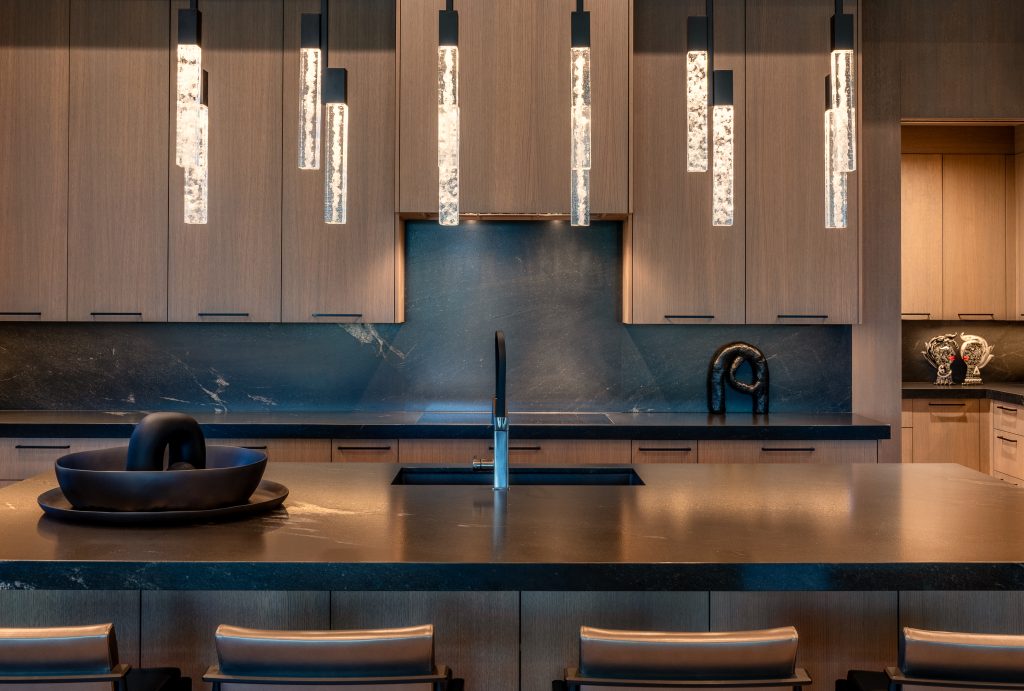
Cast glass lighting refers to fixtures whose glass components are formed through the casting process: melting raw glass and pouring it into molds where it cools and solidifies into precise, predetermined shapes. This is fundamentally different from glassblowing, where a glassmaker inflates molten glass using breath or pressurized air to create hollow forms. Casting produces denser, more structurally defined shapes with surface detail that blowing simply cannot achieve.
The process itself is worth understanding in some depth, because it explains everything distinctive about how cast glass looks and performs. Molten glass heated above 1400°F is hand poured into custom molds, then cooled slowly under controlled conditions. The cooling phase, called annealing, relieves internal stress in the glass and determines the material’s final clarity and strength. Artisans monitor this stage by hand and eye, and the natural variation introduced during pouring and cooling is precisely what gives each cast glass piece its singular optical character.
There are several distinct casting techniques used in lighting production:
- Open-face casting: Molten glass is poured into an open mold and allowed to spread naturally, producing organic surface variation and texture on the exposed face.
- Kiln casting: Glass is placed inside a kiln and slowly melted into a mold beneath it. This technique allows intricate detail and layering.
- Fusing and slumping: Kiln techniques like fusing and slumping layer multiple glass pieces or reshape flat sheets into curves, adding rich textural depth far beyond uniform glass panels.
- Lost-wax casting: A wax model is coated in refractory material, melted out, and replaced with glass, enabling highly sculptural forms.
Molds are made from materials ranging from graphite and steel to ceramic and sand, and each material leaves a different surface impression on the finished glass. At the artisanal level, molds are often custom made for specific fixture designs, ensuring that the resulting glass is exclusive rather than interchangeable with catalog alternatives.
Pro Tip: When evaluating a cast glass fixture, ask the manufacturer whether the mold was custom designed for that piece or shared across multiple product lines. Proprietary molds are a reliable signal of genuine artisanal intent.
texture, depth, and visual richness
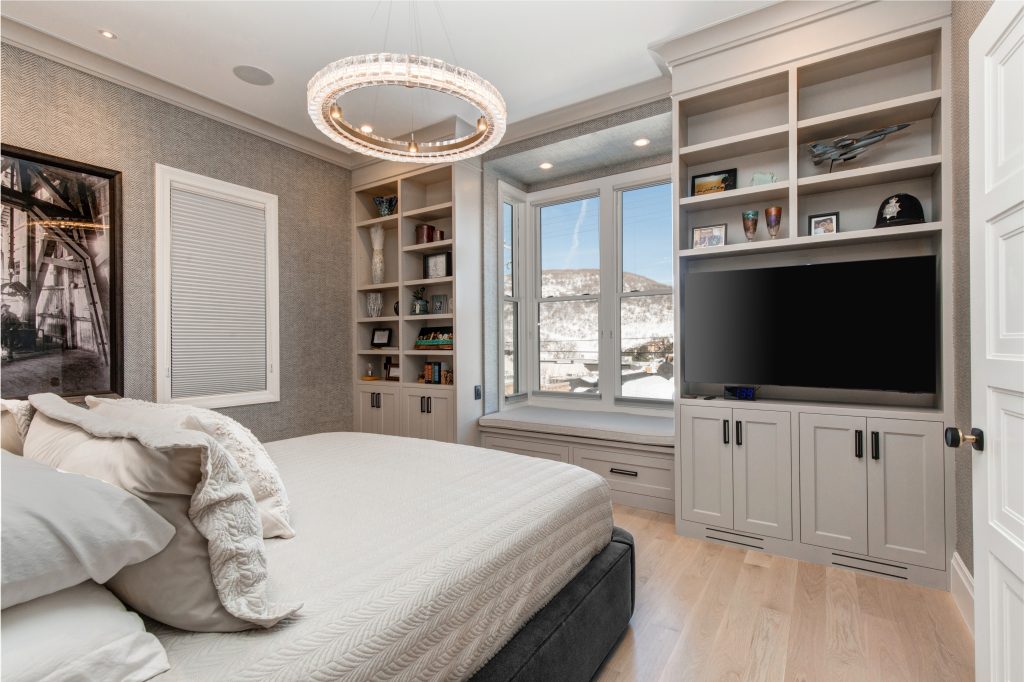
If you have ever stood near a cast glass pendant and noticed that the fixture itself seems to glow from within, that is not an accident of the light source. It is the material doing its work. Cast glass produces richer texture and optical character than mass-produced glazing, the result of mold surface impressions, hand finishing, and the natural variation introduced during pouring and cooling. Each piece is, in the strictest sense, one of a kind.
The design possibilities enabled by casting are genuinely expansive. Unlike glassblowing, which is largely limited to symmetrical hollow forms, casting can produce flat panels, sculptural volumes, faceted surfaces, relief patterns, and compound curves with equal facility. This freedom of form is why cast glass lamp design has become a signature material for designers who want lighting fixtures to function as focal points rather than background elements.
Surface finish options add another dimension:
- Opaque and semi-opaque: Dense casting creates a solid, matte-like surface that glows at its edges and transmits light as warm luminescence rather than direct illumination.
- Translucent: Thinner sections or specific glass formulations allow light to pass through while obscuring the bulb, producing a soft, diffused glow.
- Tinted and colored: Pigments introduced into the molten glass or applied to mold surfaces produce uniform color saturation throughout the entire depth of the piece, unlike surface coatings that can chip or fade.
- Textured relief: Mold surfaces impressed with geometric, organic, or abstract patterns transfer their forms directly onto the glass, creating tactile surfaces that interact with light in layered, complex ways.
“Cast glass is often chosen as a material identity rather than just a functional choice, precisely because its richly textured surfaces and distinct optical character do what no other material can.”
The interplay between light and a textured cast glass surface is where the real magic of this material lives. As light passes through ridges, facets, and relief patterns, it refracts and scatters at different angles, producing the kind of layered luminosity that shifts perceptibly as you move through a space. This quality makes cast glass lighting fixtures equally compelling with the lights on and off.
Light distribution, ambiance, and performance
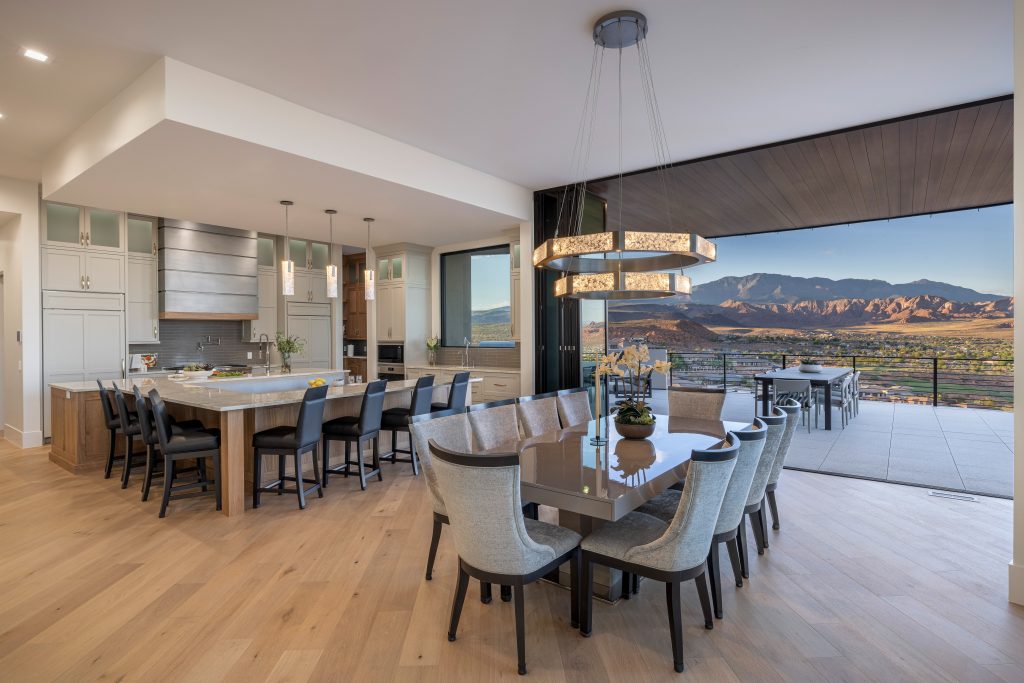
Here is where cast glass surprises people who have only thought of it as decorative. The same textured surfaces that make these fixtures so visually arresting also make them genuinely superior ambient light sources. Glass shades allow light to scatter, unlike solid metal shades that direct light only downward in concentrated beams, affecting how broadly and evenly a room is illuminated.
The comparison below illustrates why material choice matters for light distribution:
| Fixture Type | Light Distribution | Shadow Quality | Ambiance Effect |
|---|---|---|---|
| Cast glass | Wide, diffused scatter | Soft, graduated | Warm, layered glow |
| Clear blown glass | Broad but direct | Moderate contrast | Bright, open feel |
| Metal shade | Directional beam | Sharp, defined | Dramatic, focused |
| Frosted glass | Diffused but flat | Minimal contrast | Even, neutral wash |
Surface texture on cast glass influences the glow and sparkle of transmitted light, enhancing the ambient effect and softening shadow transitions across walls and ceilings. A single pendant over a dining table, for example, will not create the uncomfortable pool-of-light-surrounded-by-darkness effect that a metal drum shade produces. Instead, the cast glass distributes luminance in multiple directions simultaneously, wrapping the space in warmth.
This characteristic also means cast glass is strategically useful. Glow and sparkle effects can be deliberately deployed by designers to balance harsh shadows from a single directional source, effectively using one fixture to do the work of two.
Pro Tip: Evaluating a cast glass fixture for ambient use? Favor pieces with denser surface texture and moderate translucency. Highly transparent cast glass behaves more like clear glass and delivers less of the soft diffusion that makes this material distinctive.
where cast glass lighting performs best
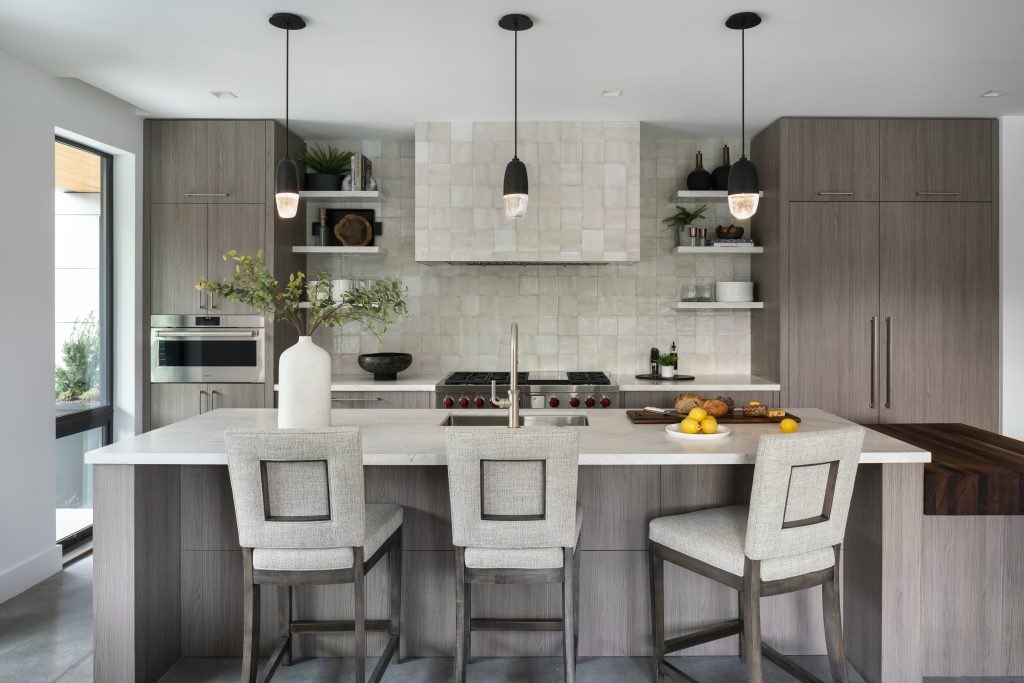
The benefits of cast glass lighting are not confined to a single fixture type or design environment. Cast glass appears across chandeliers, pendants, sconces, and table lamps, offering design flexibility that suits spaces ranging from intimate residential rooms to expansive commercial interiors.
Consider the range of settings where cast glass fixtures deliver meaningful results:
- Dining rooms and kitchen islands: A cast glass pendant over a table provides generous ambient light while serving as a sculptural centerpiece. The material’s warmth reads beautifully against natural wood, stone, and metal finishes.
- Hotel lobbies and reception areas: Modular pendant configurations allow designers to construct large-scale lighting installations with repeating cast glass elements that maintain visual coherence across vast ceiling planes.
- Residential bathrooms: Cast glass sconces provide flattering, diffused light for grooming tasks while contributing significant material presence. For inspiration on how cast glass transforms these spaces, artisan glass bathroom ideas from Hammerton show what is possible at the luxury level.
- Living rooms and great rooms: Table and floor lamps with cast glass shades layer beautifully with overhead sources, enriching the room’s ambient warmth without competing with architectural fixtures.
- Restaurant dining rooms: The combination of cast glass’s warm diffusion and visual texture creates the atmospheric intimacy that fine dining environments require, encouraging guests to linger.
- Private clubs and hospitality spaces: Cast glass fixtures read as objects of craftsmanship, signaling quality to guests and reinforcing brand identity through material choice.
The uses of cast glass lighting extend equally to residential entryways, stair halls, and libraries, anywhere a designer wants to establish both functional illumination and material character with a single fixture decision.
Choosing and caring for cast glass fixtures
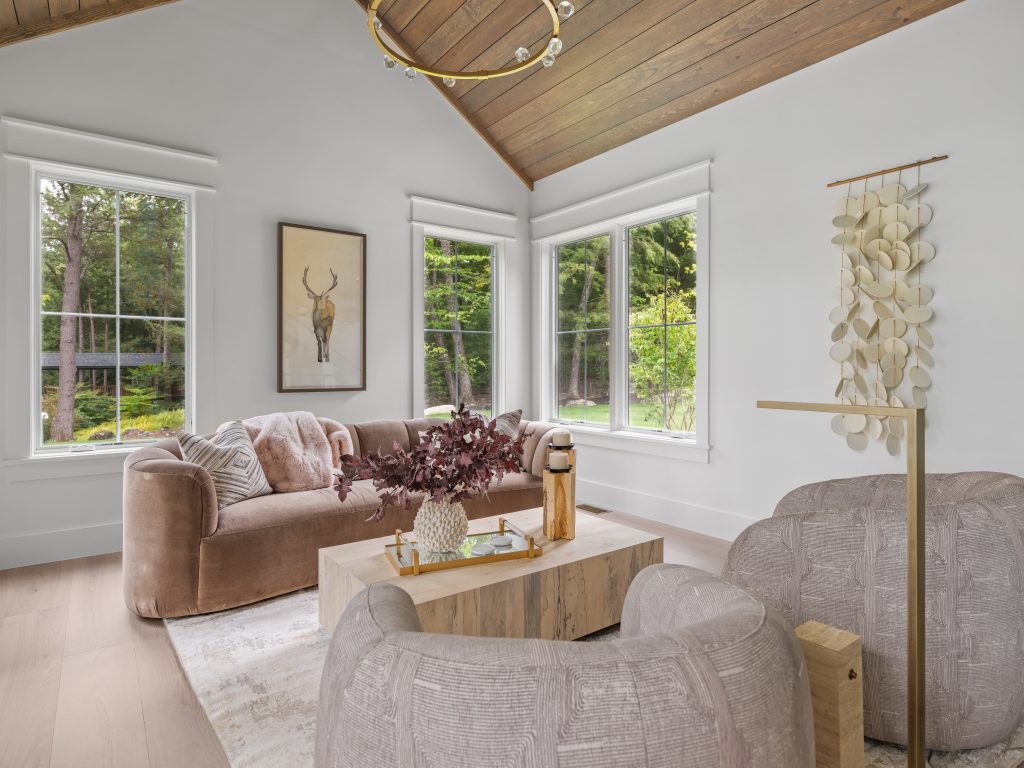
Selecting the right cast glass fixture requires thinking simultaneously about scale, light output, surface character, and the existing material palette of your space. Start with these considerations:
- Scale and proportion: Cast glass is visually weighty, even when physically light. Choose fixture sizes that are generous enough to be seen as intentional design statements, not afterthoughts. A small cast glass pendant can disappear in a large room.
- Translucency level: Match the degree of translucency to your lighting goal. Semi-opaque casting for ambient warmth; translucent for broader light distribution; clear or lightly textured for spaces where you want more direct illumination.
- Bulb and color temperature: Warm color temperatures and low-glare bulbs complement the translucency and surface texture of cast glass, reducing eye strain and enhancing the material’s characteristic glow. Aim for 2700K to 3000K for residential applications.
- Finish compatibility: Consider how the glass color and surface texture will interact with your room’s dominant finishes. Amber and smoke-tinted cast glass reads dramatically against pale stone or white plaster; clear textured glass is more neutral and pairs with almost any palette.
For ongoing care, routine gentle cleaning preserves the luminosity and prevents dulling of cast glass surfaces. Use a soft, lint-free cloth dampened with a mild glass cleaner, and avoid abrasive pads or harsh solvents that can compromise surface texture. For fixtures in hard-to-reach positions, a long-handled soft brush removes dust without requiring removal of the shade.
Explore our artisan cast glass lighting
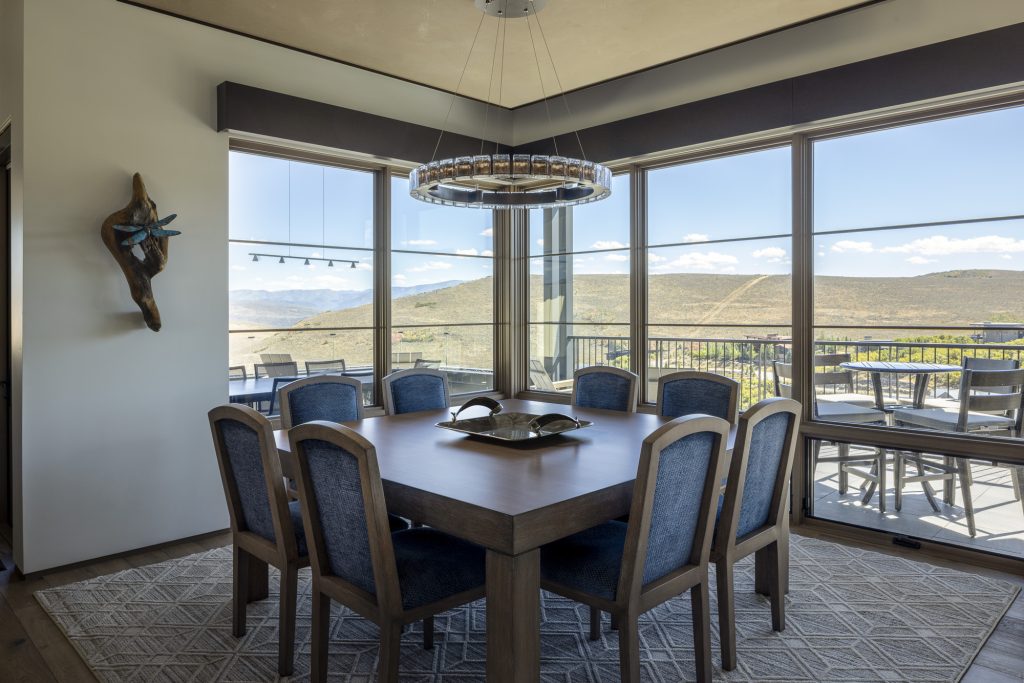
Hammerton Studio has spent over a decade refining its approach to artisan cast glass, building collections that treat every fixture as a collaboration between design intent and material truth. Each piece is handcrafted in Salt Lake City by a team of over 150 artisans working with proprietary molds and glass formulations developed through decades of custom work with leading interior designers. The result is cast glass lighting that performs as beautifully as it looks, from bespoke residential pendants to large-scale commercial installations. If you’re ready to explore what cast glass can do for your space, browse Hammerton Studio’s artisan glass collections and discover the depth of customization available to you.
aRE YOU A TRADE PROFESSIONAL?
At Hammerton, we know what it takes to deliver exceptional design on tight timelines. Our Trade Account Program offers exclusive discounts, product access, and dedicated support to help you stay ahead. Apply now and simplify your workflow from concept to completion.
FAQ:
What is cast glass lighting, exactly?
Cast glass lighting uses fixtures whose glass components are shaped by pouring molten glass into molds rather than blowing air into it. The result is denser, more texturally detailed glass with unique optical qualities that distinguish it from standard glass fixtures.
How is cast glass different from blown glass?
Cast glass is formed in rigid molds and produces solid, texturally complex forms, while blown glass uses air pressure to shape hollow, typically symmetrical vessels. Cast glass offers greater design freedom for sculptural and relief surfaces.
What are the main benefits of cast glass lighting?
Cast glass softens and disperses light widely, reduces harsh shadows, and adds rich visual texture to a space. Its artisanal production also means each piece carries natural variation that mass-produced glass cannot replicate.
What types of fixtures use cast glass?
Cast glass appears in chandeliers, pendants, sconces, table lamps, and modular lighting systems, making it suitable for residential rooms, hotel lobbies, restaurants, and commercial interiors of all scales.
How do I maintain cast glass lighting fixtures?
Clean cast glass regularly with a soft, lint-free cloth and a mild glass cleaner. Avoid abrasive materials that can scratch or dull the surface texture, which is essential to the fixture’s light diffusion performance.