7 Types of Essential Pendant Lighting for Your Home
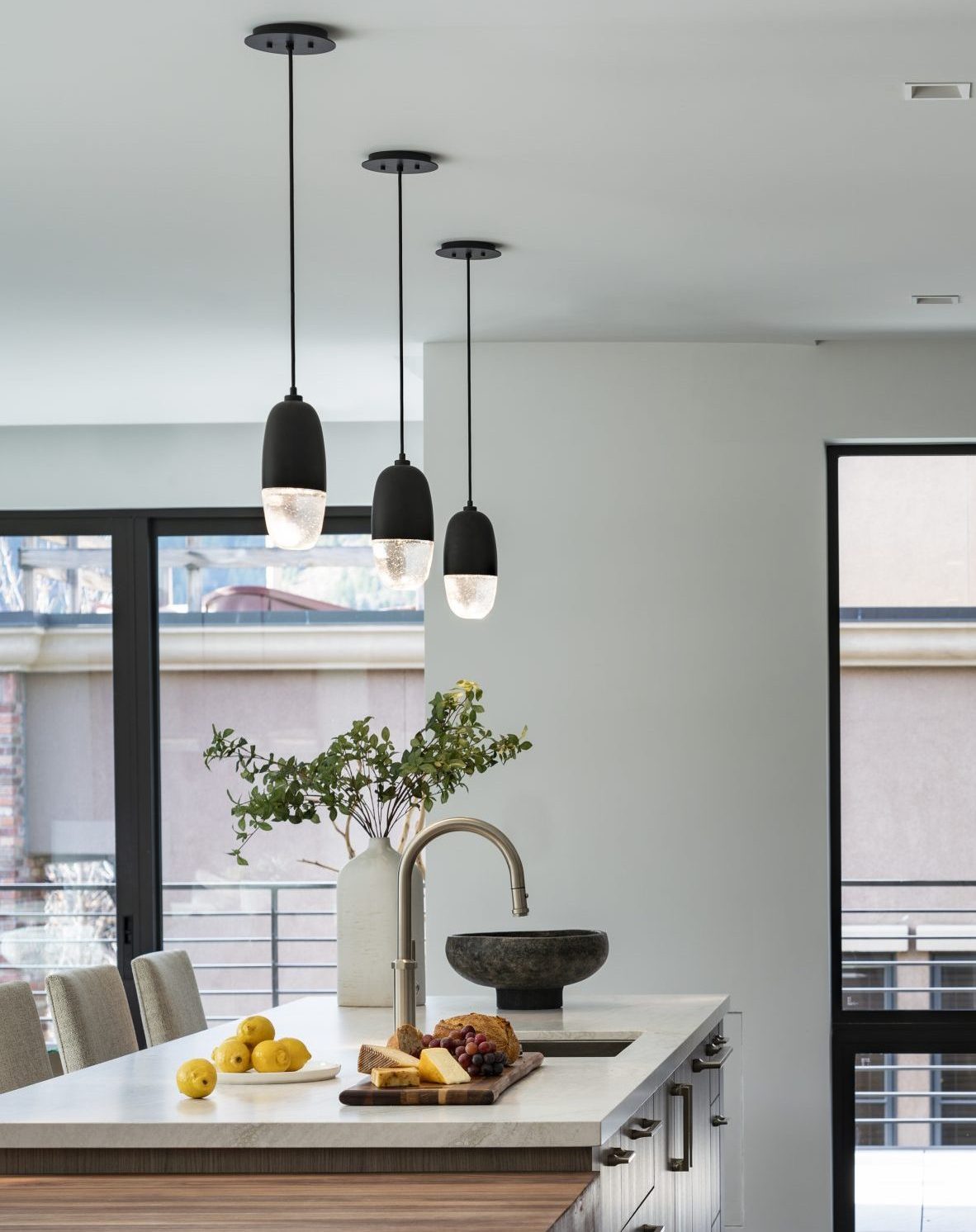
Pendant lighting has become the crown jewel of modern interiors. Designers rave about its ability to completely reshape a room’s mood and flow. And, over 65% of design professionals believe that pendant lights can instantly improve both functionality and style in any space. Sure, you expect a bit of ambiance. But pendant lighting goes way beyond setting the mood. With the right fixtures, even the most mundane space can feel like an architect’s vision come to life.
Table of Contents
- Understanding Pendant Lighting Basics
- Single Pendant Lighting: A Focused Statement
- Multi-Pendant Lighting: Creating Visual Interest
- Drum Pendant Lighting: Modern Versatility
- Chandeliers: Luxury Meets Function
- Industrial Pendant Lighting: Chic and Edgy
- Glass Pendant Lighting: Sleek and Elegant
Quick Summary
| Takeaway | Explanation |
|---|---|
| Pendant lighting enhances any space | Versatile fixtures provide functional lighting and visual appeal across residential and commercial environments. |
| Single pendants create focused illumination | Ideal for task lighting, they highlight specific areas while adding sophistication to the design. |
| Multi-pendant arrangements offer dynamic aesthetics | These fixtures improve light distribution and create visual complexity in larger spaces. |
| Drum pendant lights provide soft illumination | Their geometric design allows for balanced light diffusion, suitable for a variety of interior styles. |
| Chandeliers serve as artistic centerpieces | Combining intricate designs with efficient lighting, they define elegance and enhance spatial dynamics. |
1: Understanding Pendant Lighting Basics
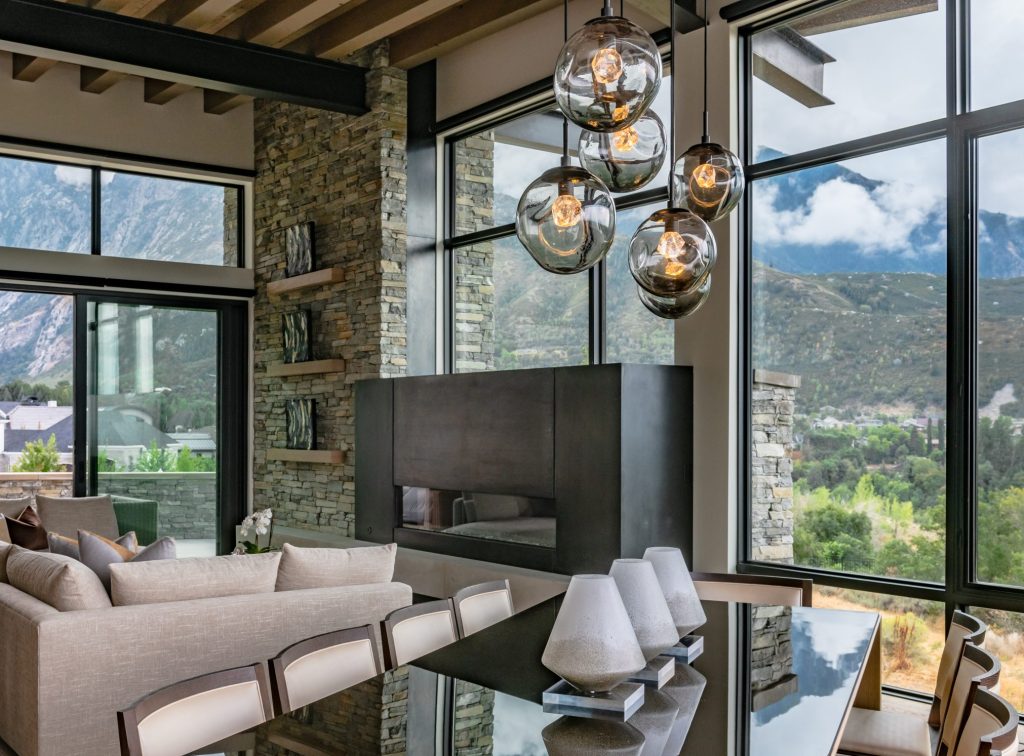
Pendant lighting is a sophisticated and versatile lighting solution that transforms interior spaces through strategic illumination and design. These hanging light fixtures suspend from ceilings, offering both functional brightness and aesthetic appeal across residential and commercial environments.
Understanding pendant lighting requires recognizing its fundamental characteristics and design potential. According to the Whole Building Design Guide, pendant lights serve multiple purposes beyond basic illumination:
- Provide targeted task lighting in specific areas
- Create visual interest and architectural drama
- Establish focal points within interior spaces
- Complement existing design aesthetics
Designers and homeowners appreciate pendants for their remarkable flexibility. These fixtures come in an extensive range of styles, materials, and configurations that can suit virtually any interior design vision. From minimalist metal designs to intricate artisan glass lights, pendants offer unparalleled opportunities for personalized spatial expression.
Key considerations when selecting pendants include ceiling height, room dimensions, and intended illumination purpose. The proportions and placement of pendant lights significantly impact their effectiveness. A well-chosen pendant can dramatically enhance a room’s ambiance, creating layers of light that transform mundane spaces into extraordinary environments.
The versatility of pendant lighting extends across multiple rooms and applications. Kitchens, dining areas, entryways, and living spaces can all benefit from strategically placed pendant fixtures that provide both functional illumination and artistic statement.
2: Single Pendant Lighting: A Focused Statement
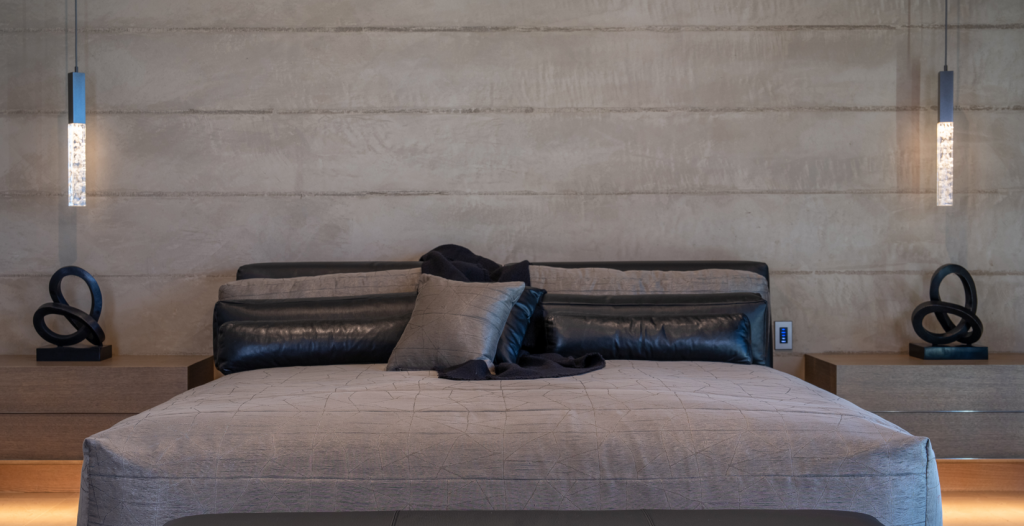
Single pendant lighting emerges as a powerful design element that delivers precision illumination and aesthetic sophistication. These singular light fixtures offer remarkable versatility, transforming areas with targeted brilliance and architectural nuance.
Centralized single pendant lighting systems provide efficient illumination while maintaining exceptional design flexibility. These fixtures excel in creating focused visual statements across various environments.
Key characteristics of single pendant lighting include:
- Precise directional lighting
- Minimalist design aesthetics
- Ability to highlight specific areas or objects
- Compact spatial footprint
Professional designers recognize single pendants as strategic tools for spatial definition. By suspending a carefully selected pendant above specific zones, design professionals can dramatically reshape room dynamics and visual perception.
The placement of single pendants requires thoughtful consideration. Ideal locations might include kitchen islands, dining table centers, reading nooks, or entryway focal points. The height and positioning of these fixtures directly influence their functional and aesthetic impact, making precise installation crucial.
Material selection plays a significant role in single pendant design. Options range from sleek metal constructions to delicate glass compositions, allowing homeowners to select fixtures that seamlessly integrate with existing interior design looks.
3: Multi-Pendant Lighting: Creating Visual Interest
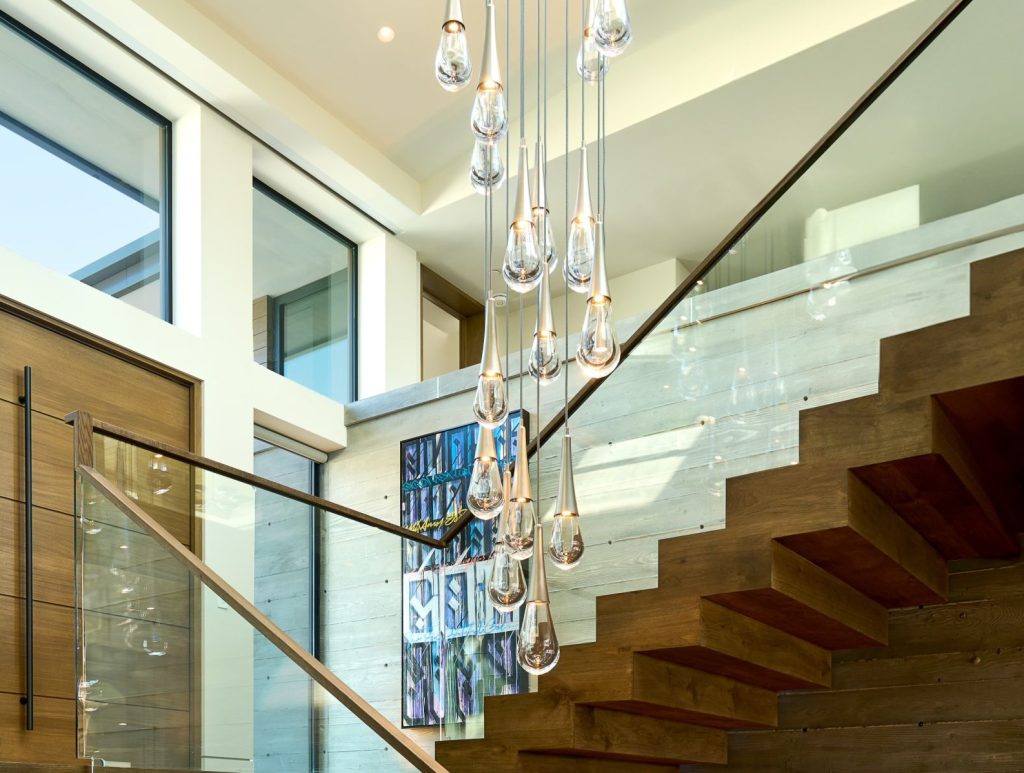
Multi-pendant lighting represents a sophisticated approach to interior illumination, transforming ordinary spaces into extraordinary visual landscapes. These dynamic lighting arrangements leverage multiple suspended fixtures to create layered visual complexity and architectural intrigue.
Context-aware lighting systems can dramatically enhance spatial perception and user experience. Multi-pendant configurations excel at achieving this transformative potential.
Key strategic advantages of multi-pendant lighting include:
- Ability to distribute light evenly across larger spaces
- Create dynamic visual rhythms and patterns
- Offer flexible design customization options
- Generate compelling architectural statements
Great designers approach multi-pendant installations with meticulous attention to detail. Spacing, height variation, and fixture selection become critical design elements. Our guide on designer lighting pendant clusters offers deeper insights into creating harmonious multi-pendant compositions.
Multi-pendants work exceptionally well in a variety of rooms and spaces. Dining areas, kitchen islands, stairwells, and open-concept living spaces benefit tremendously from these sophisticated lighting arrangements. By carefully selecting pendant styles, materials, and configurations, homeowners can craft lighting solutions that are both functionally elegant and visually captivating.
The artistic potential of multi-pendant lighting extends beyond pure illumination. These configurations function as sculptural installations, transforming ceilings into dynamic canvases of light and form. Whether embracing symmetrical precision or intentional asymmetry, multi-pendant designs invite creative expression and architectural innovation.
4: Drum Pendant Lighting: Modern Versatility
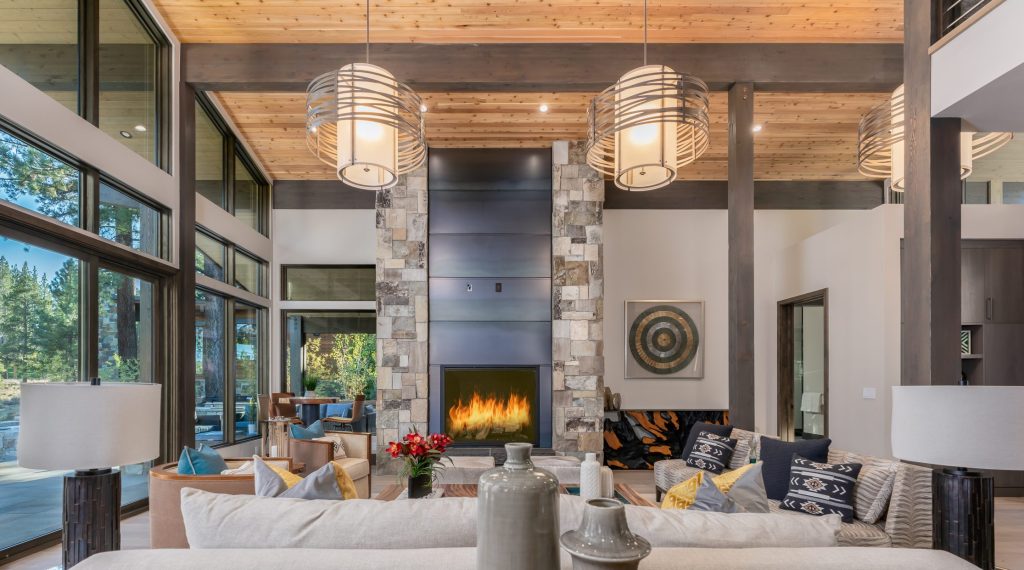
Drum lighting emerges as a quintessential design element that bridges contemporary aesthetics with functional illumination. These cylindrical fixtures provide a harmonious blend of softness and geometric precision, offering designers and homeowners a versatile lighting solution that adapts seamlessly to diverse interior environments.
The architectural philosophy behind drum pendants centers on creating balanced visual landscapes. Their symmetrical silhouette allows for sophisticated light diffusion, transforming ordinary spaces into elegantly illuminated zones. These fixtures contribute to spatial perception and atmospheric transformation.
Key attributes of drum lighting include:
- Soft, diffused light distribution
- Clean geometric design
- Compatibility with multiple design aesthetics
- Versatile material and fabric options
Unlike traditional lighting fixtures, drum pendants offer remarkable adaptability across different interior styles. Whether integrated into minimalist modern spaces or classic transitional environments, these pendants maintain a refined visual presence. Material selection plays a crucial role in their design impact – from translucent fabrics that create ethereal glows to structured metallic frames that introduce architectural definition.
Professional designers appreciate drum pendants for their ability to modulate light intensity and atmosphere. By selecting varying fabric densities and interior reflective surfaces, these fixtures can create everything from soft ambient illumination to more directional task lighting. The cylindrical form allows for creative interpretations that go beyond functionality.
5: Chandeliers: Luxury Meets Function
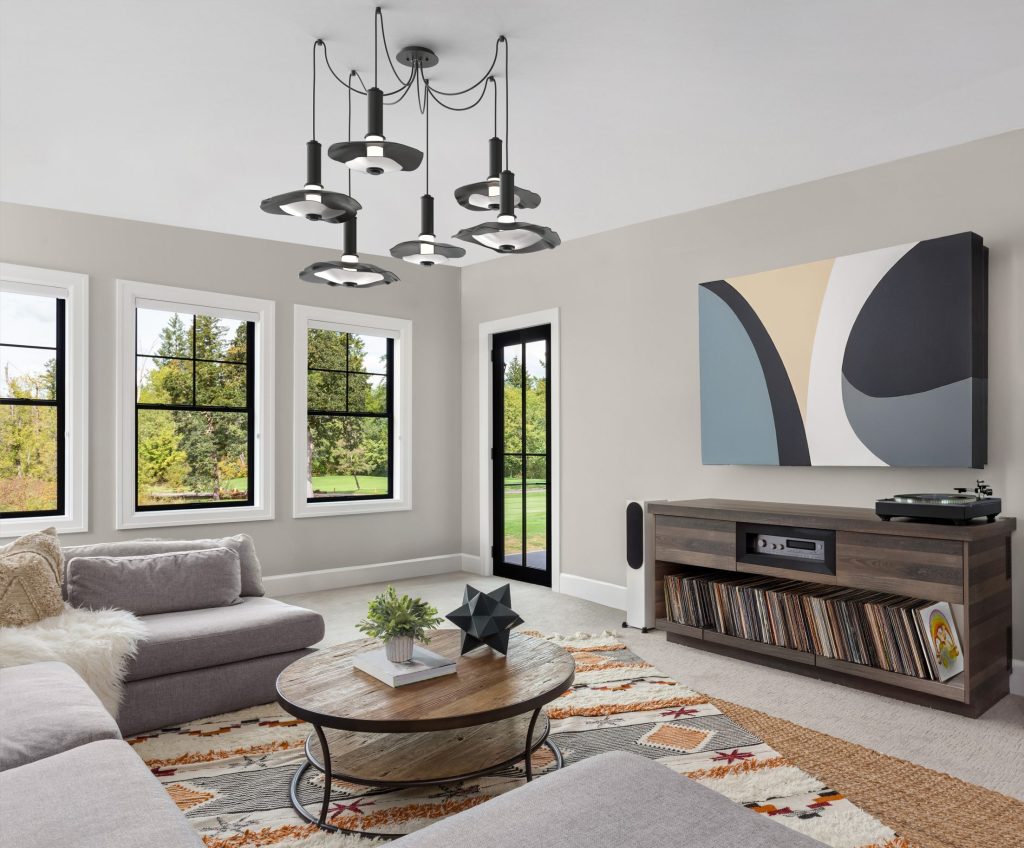
Chandeliers represent the pinnacle of lighting design, transcending mere illumination to become architectural statements that define spatial elegance. These extraordinary fixtures combine intricate craftsmanship with sophisticated lighting technology, transforming interior environments through their sculptural presence and refined luminescence.
Advanced lighting systems like chandeliers are becoming increasingly sophisticated, offering not just aesthetic value but also improved energy efficiency and visual comfort.
Key characteristics that distinguish chandeliers include:
- Multidirectional light distribution
- Dramatic visual impact
- Complex architectural design
- Potential for substantial decorative statement
Professional designers recognize chandeliers as artistic centerpieces that anchor interior spaces. Their ability to create vertical drama allows them to transform rooms by drawing the eye upward and establishing powerful visual hierarchies. From grand entryways to intimate dining areas, chandeliers communicate luxury and intentional design.
Material selection plays a critical role in chandelier design. Contemporary options range from traditional crystal and metalwork to innovative compositions using blown glass, contemporary metals, and sculptural elements. Each material brings unique light refraction and aesthetic qualities, enabling designers to craft lighting experiences that are simultaneously functional and emotionally resonant.
The strategic placement of chandeliers requires nuanced understanding of spatial dynamics. Ceiling height, room proportions, and existing architectural elements must be carefully considered to ensure the fixture enhances rather than overwhelms the environment. When executed with precision, a well-selected chandelier becomes a transformative element that elevates the entire spatial narrative.
6: Industrial Pendant Lighting: Chic & Edgy
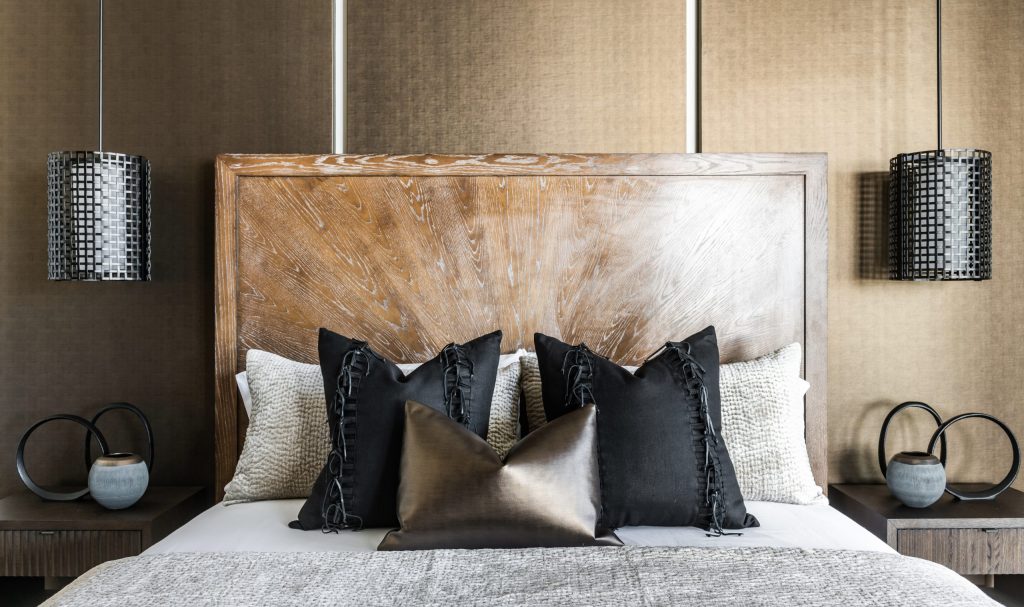
Industrial pendant lighting emerges as a bold design statement that celebrates raw architectural aesthetics and functional minimalism. These fixtures transform spaces by blending utilitarian design principles with contemporary sophistication, offering a unique visual language that speaks to modern interior sensibilities.
Key characteristics of industrial pendant lighting include:
- Exposed metallic structures
- Minimalist geometric forms
- Emphasis on functional design elements
- Robust material construction
The architectural narrative of industrial pendants centers on transparency and structural integrity. Designers leverage materials like raw steel, brushed aluminum, and exposed hardware to create lighting fixtures that are simultaneously functional tools and compelling visual statements. These pendants often feature open cage designs, visible electrical components, and intentionally unfinished surfaces that celebrate manufacturing processes.
Material selection becomes a critical design strategy in industrial lighting. Aged brass, weathered steel, and matte black finishes contribute to a visual language that suggests strength, durability, and urban sophistication. The intentional rawness of these fixtures provides a counterpoint to more polished interior design elements, creating dynamic visual tension.
Industrial pendants excel in diverse spatial contexts. Loft apartments, modern kitchens, home offices, and commercial spaces all benefit from the distinctive aesthetic these fixtures provide. By merging functional illumination with sculptural design, industrial pendant lighting transforms ordinary environments into compelling visual narratives that celebrate contemporary design principles.
7: Glass Pendant Lighting: Sleek & Elegant
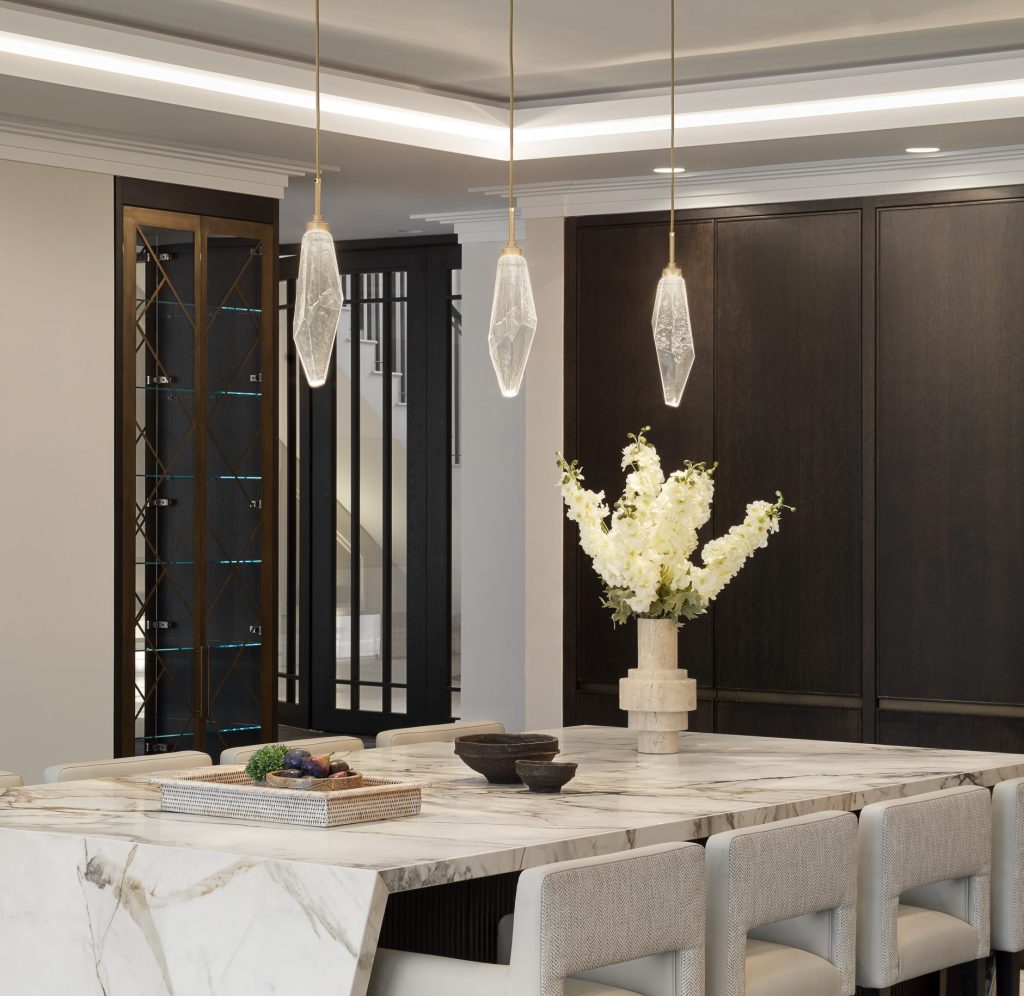
Glass pendant lighting represents the pinnacle of refined illumination, offering a delicate interplay between light, transparency, and architectural form. These exquisite fixtures transform interior spaces through their ability to manipulate luminosity, creating ethereal environments that blur the boundaries between functional lighting and artistic expression.
Contemporary design research reveals the extraordinary potential of glass as a medium for light transmission, highlighting how advanced material engineering enables unprecedented levels of optical sophistication in pendant design.
Key characteristics of glass pendant lighting include:
- Exceptional light diffusion capabilities
- Translucent and transparent design options
- Ability to create soft, ambient illumination
- Versatile aesthetic adaptability
The architectural poetry of glass pendants lies in their remarkable ability to transform light. Blown glass, hand-formed techniques, and precision manufacturing enable designers to create fixtures that serve as both illumination sources and sculptural centerpieces. Variations in glass texture – from crystal-clear transparency to frosted and colored compositions – provide designers with an expansive palette for spatial expression.
Material selection becomes a nuanced art form in glass pendant lighting. Artisan techniques like hand-blown glass, precision-cut crystal, and layered translucent materials allow for extraordinary light refraction and visual complexity. Each fixture becomes a unique intersection of engineering and artistic vision, capable of casting intricate light patterns that animate interior environments.
Glass pendant lighting thrives in diverse design contexts. Minimalist living spaces, contemporary kitchens, elegant dining areas, and sophisticated commercial environments all benefit from the refined luminosity these fixtures provide. By integrating delicate glass designs, interior spaces are transformed into dynamic canvases of light and shadow.
The table below provides a comprehensive summary of the seven essential types of pendant lighting discussed in the article, highlighting their key characteristics and interior design applications.
| Pendant Lighting Type | Key Features | Ideal Applications |
|---|---|---|
| Single Pendant | Focused, directional illumination; minimalist design | Kitchen islands, dining tables, reading nooks |
| Multi-Pendant | Dynamic visual patterns; layered light distribution | Larger spaces, stairwells, open living areas |
| Drum Pendant | Soft, balanced light; geometric, cylindrical shape | Living rooms, dining areas, bedrooms |
| Chandelier | Artistic centerpiece; multidirectional light; luxury look | Entryways, formal dining rooms, statement spaces |
| Industrial Pendant | Exposed materials; utilitarian style; robust construction | Modern kitchens, lofts, home offices, urban spaces |
| Glass Pendant | Elegant transparency; superior light diffusion | Contemporary kitchens, dining areas, elegant spaces |
| Pendant Lighting Basics | Enhances mood and function; adaptable to any room | Kitchens, entryways, living rooms, commercial spaces |
‘WOW’ With Artisan-MADE Pendant Lighting
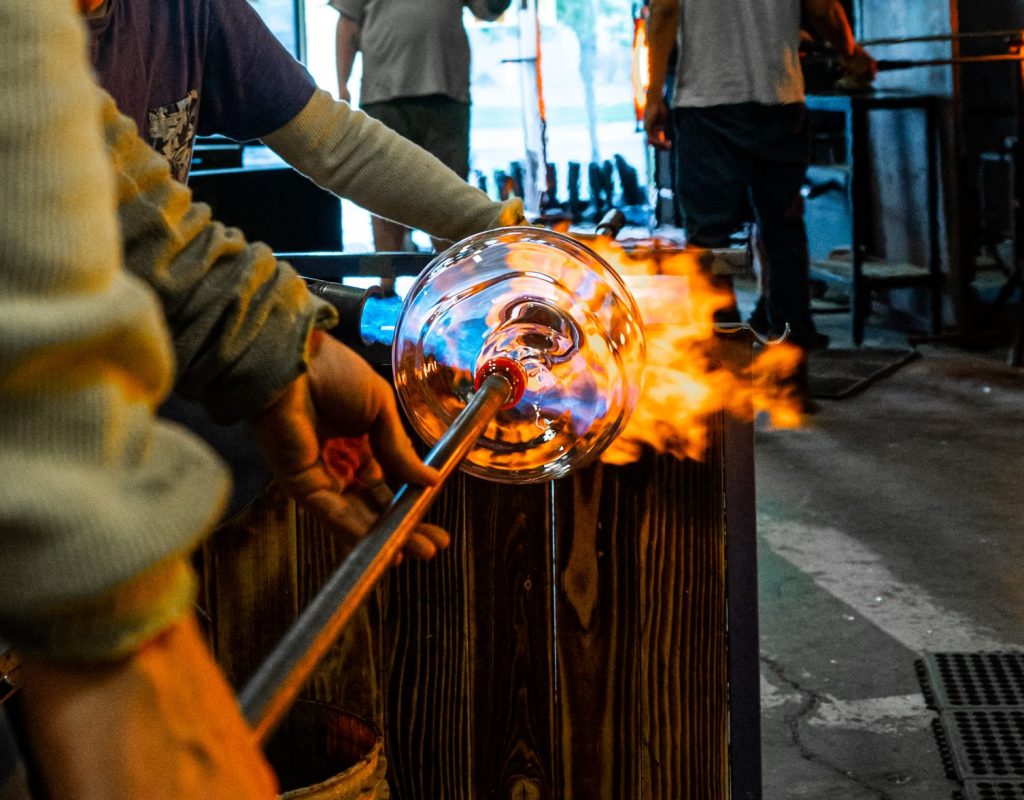
Discover how Hammerton Studio turns lighting challenges into opportunities for personal expression. Our American artisan lighting collections blend bold design with a commitment to handcrafted quality, so every fixture becomes a work of functional art. Experience exceptional design value, with expert attention to proportion, detail, and finish that sets your interiors apart.
Ready to turn lighting into a defining feature in your home? Visit Hammerton Studio now for custom-crafted pendant lights that bring your vision to life. Do not settle for ordinary fixtures when you can achieve extraordinary impact designed just for you.
Frequently Asked Questions
What is pendant lighting?
A versatile lighting solution that hangs from the ceiling, providing both functional illumination and aesthetic appeal. It can serve various purposes like targeted task lighting, creating focal points, and enhancing architectural drama in a space.
How do I choose the right pendant lighting for my room?
When selecting pendant lighting, consider factors such as ceiling height, room dimensions, and the intended purpose of the illumination. The proportions and placement of the fixtures are crucial for enhancing the room’s ambiance.
What are the benefits of using multiple pendant lights?
Multi-pendant lighting can distribute light evenly across larger spaces, creating dynamic visual interest and rhythms. It offers flexible design customization and can serve as a compelling architectural statement in various settings.
How does drum lighting differ from traditional chandeliers?
Drum pendant lighting features a clean, geometric design that provides soft, diffused light, making it versatile for different interior styles. In contrast, chandeliers are more intricate and often serve as dramatic focal points that emphasize vertical space and luxury.
ARE YOU A TRADE PROFESSIONAL?
At Hammerton, we know what it takes to deliver exceptional design on tight timelines. Our Trade Account Program offers exclusive discounts, product access, and dedicated support to help you stay ahead.
APPLY NOW and simplify your workflow from concept to completion.