The Sconce Isn’t the Star, Your Vendor Is
If you’ve ever specified a sconce that looked perfect in renderings but showed up underwhelming, mis-scaled, or suspiciously mass-produced, you already know the uncomfortable truth:
It’s not the fixture.
It’s the vendor.
In luxury residential design, lighting is no longer a finishing touch. It’s a structural design element that shapes perception, mood, and even property value.
So when designers ask, “What should interior designers look for in luxury lighting vendors?”—they’re really asking: Who won’t make me look bad in front of my client?
Let’s answer that properly.
1. Material Integrity You Can Actually See & feel
Now days anyone can make a light fixture look good online. That’s not impressive anymore.
What matters is how it holds up:
-
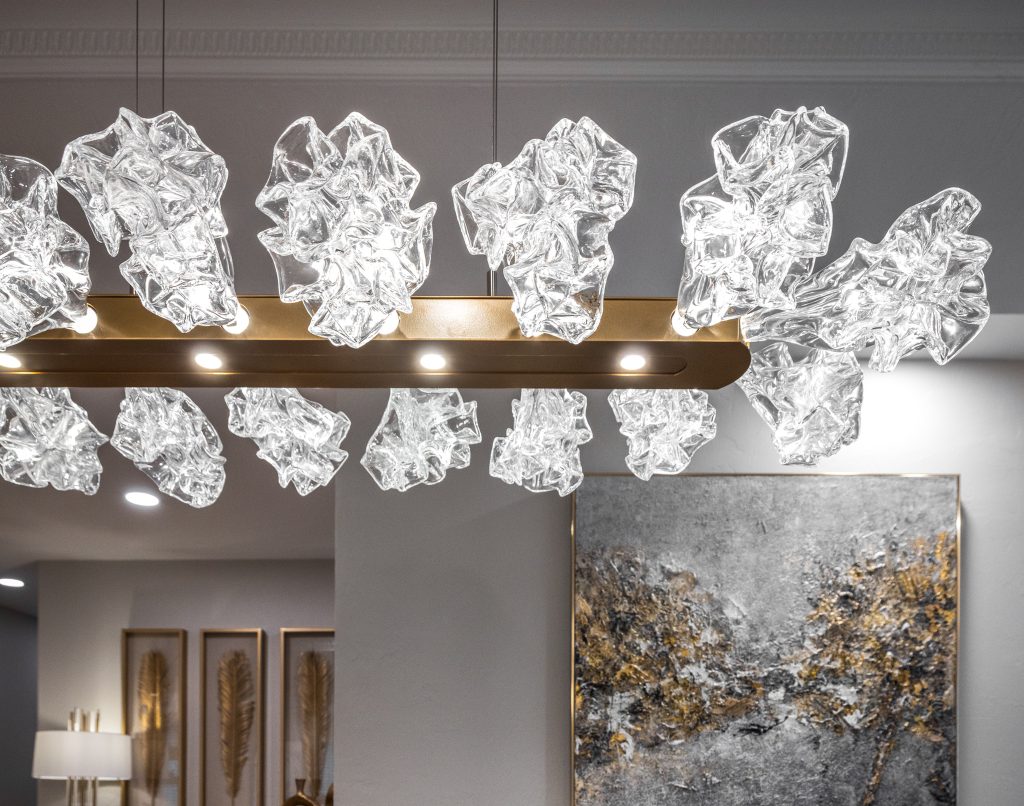
Does the glass have depth, variation, and character?
-
Do metal finishes feel intentional and high-quality or mass-produced?
-
Does the piece still look elevated when installed at eye level?
Take a blown glass chandelier for example. Done right, each piece of glass should feel like a one-of-one artifact—not a replicated shape stamped out by a factory. At Hammerton, subtle variations and “imperfections” are a celebrated part of the story, not defects.
2. Real Customization at its core
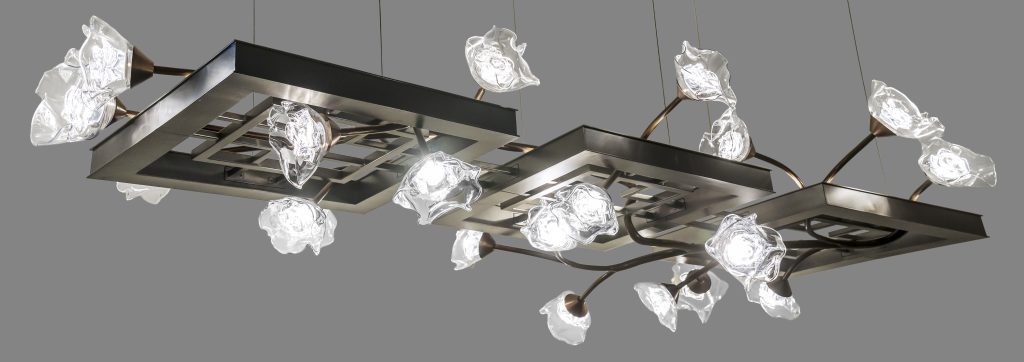
There’s a big difference between selecting from existing glass color or finish options and actually shaping the entire design outcome of your light fixture.
Luxury projects demand flexibility:
-
Scale adjustments for architecture
-
Handcrafted or ethically sourced material options
-
Configuration changes for layout
-
Finish coordination across the entire home
True customization means the fixture adapts to the space—not the other way around.
If a vendor can’t deviate from a spec sheet, they’re not a luxury partner. They’re just a prettier big-box store.
3. Consistency Across the Entire Project
Here’s where most vendors quietly fall apart.
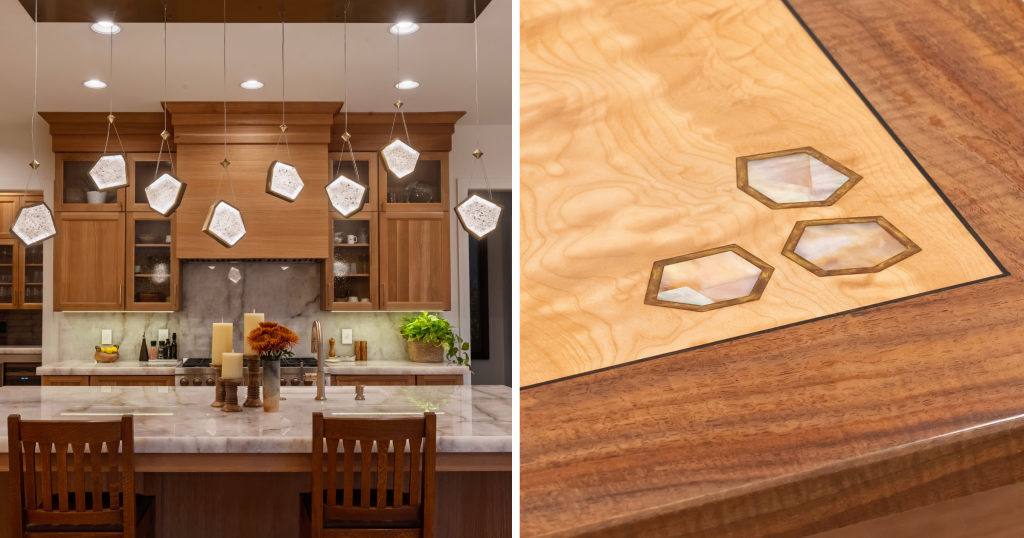
You can find a decent chandelier. You can find a decent sconce. But can you find both that belong together from the same brand?
Designers today are thinking holistically:
-
The silhouette of a chandelier echoing a dining table base
-
Glass forms tying into hardware or furniture curves
-
Finishes that carry across rooms without feeling repetitive
This level of cohesion doesn’t happen by accident. It requires a vendor who designs in systems—not isolated SKUs.
And yes, clients notice. Even if they can’t articulate why.
4. Performance That Matches the Aesthetic
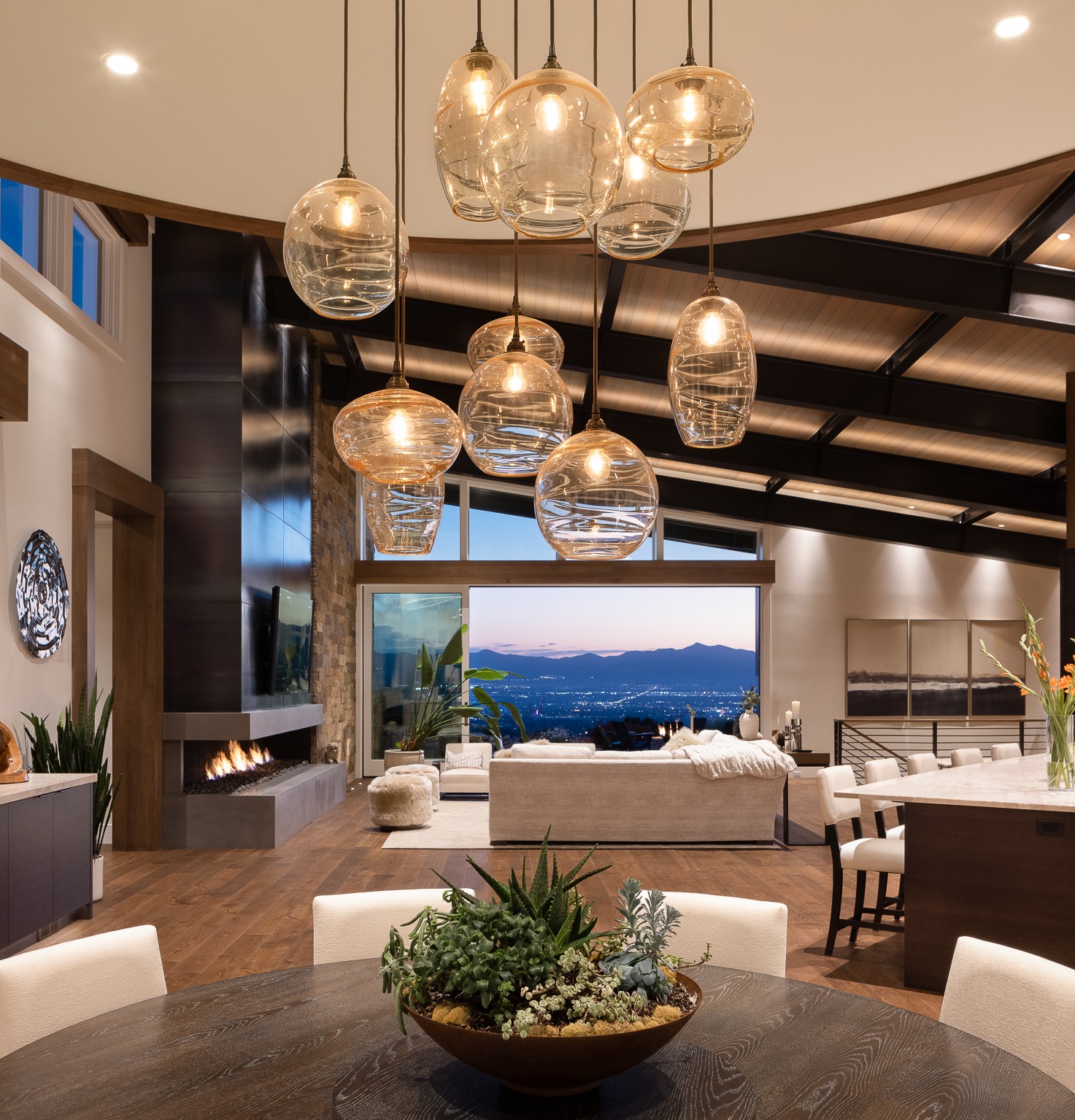
Pretty lighting that performs badly is just expensive décor.
High-end vendors should balance:
-
Glare control and diffusion
-
Color accuracy (so your materials don’t look out of place at night)
-
Long-term electrical reliability
-
Replaceable or reliable long-term components
Blown glass lighting, in particular, needs careful engineering to maintain clarity and consistency over time—not just the day of installation.
If your client’s kitchen looks like a cold, brightly lit hospital at 9pm, that’s on the vendor you chose.
5. A Process That Doesn’t Derail Your Timeline

Designers don’t just need beautiful lighting. They need:
-
Accurate lead times
-
Clear communication
-
Fast and reliable support
According to industry discussions, one of the biggest frustrations designers face is dealing with vendors who:
-
Discontinue products mid-project
-
Miss timelines without warning
-
Offer zero support post-installation
A strong vendor acts like an extension of your team—not a liability you have to babysit.
Why the Right Vendor Changes Everything
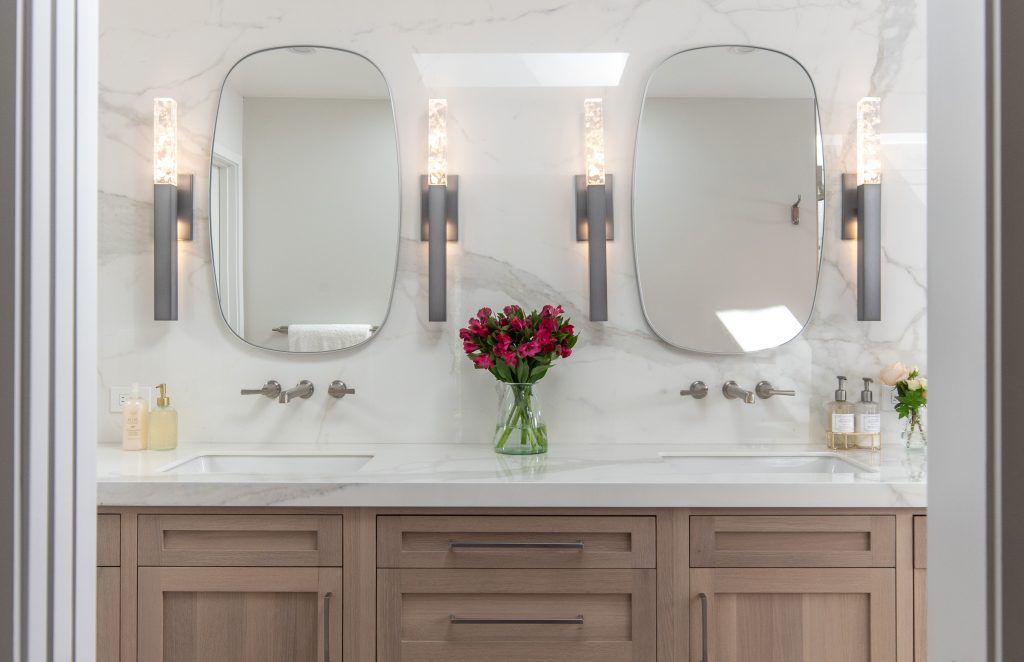
When you get it right:
-
Your sconce stops being “just wall lighting” and becomes architectural
-
Your blown glass chandelier becomes the emotional center of the room
-
Your entire project feels intentional, elevated, and cohesive
And most importantly? You feel confident in the manufacturer and stop second-guessing your specifications.
The Takeaway Designers Actually Need

If you remember one thing, make it this:
Don’t source lighting.
Source the people and the process behind it.
Because in luxury design, the difference between “nice” and unforgettable is rarely the fixture itself. It’s who made it—and how far they’re willing to go to get it right.
aRE YOU A TRADE PROFESSIONAL?
At Hammerton, we know what it takes to deliver exceptional design on tight timelines. Our Trade Account Program offers exclusive discounts, product access, and dedicated support to help you stay ahead.
APPLY NOW and simplify your workflow from concept to completion.
FAQ:
Q: Why does the quality of a lighting vendor matter more than the fixture itself? A: Even a beautiful fixture can fall flat if the vendor lacks material integrity, customization capability, or reliable support — the vendor’s process and standards are what determine whether a project truly succeeds.
Q: What should interior designers look for when evaluating a luxury lighting vendor? A: Key qualities include genuine material craftsmanship you can see and feel, real customization flexibility, cohesive design across their full product line, strong lighting performance, and a reliable process with clear communication and accurate lead times.
Q: How can you tell if a lighting vendor’s materials are truly high quality? A: Look beyond how a fixture photographs — quality shows up in person. Handblown glass should have depth, variation, and character, and metal finishes should feel intentional rather than mass-produced. Artisan pieces should look just as elevated when installed at eye level as they do in a catalog.
Q: What does “real customization” mean in the context of luxury lighting? A: True customization goes beyond choosing a finish color. It means a vendor can adjust scale for specific architecture, modify configurations for a layout, accommodate unique material requests, and coordinate finishes across an entire home — so the fixture adapts to the space, not the other way around.
Q: Why is it important that a vendor designs in systems rather than isolated SKUs? A: Luxury interiors are designed holistically — silhouettes, glass forms, and finishes need to carry across rooms with intention. A vendor who thinks in systems makes it possible to achieve that cohesion naturally, while one who only sells standalone pieces makes coordinated results much harder to pull off.
Q: What lighting performance factors should designers consider beyond aesthetics? A: Glare control, color accuracy, long-term electrical reliability, and the availability of replaceable components are all critical — a fixture that looks stunning but performs poorly will ultimately reflect badly on the designer, not just the vendor.
Q: What vendor behaviors most commonly derail a designer’s project timeline? A: The most common issues include discontinued products mid-project, missed lead times without advance notice, and poor post-installation support — all of which put the designer in an uncomfortable position with their client.
Q: Does Hammerton Studio offer a trade program for interior designers? A: Yes — Hammerton’s Trade Account Program offers exclusive discounts, dedicated product access, and support designed to help trade professionals manage projects efficiently from concept through completion.