2026 Lighting Trends: Insights for Designers
Luxury lighting in 2026 is no longer defined by what looks new—it’s defined by what lasts. For interior designers specifying luxury lighting for 2026, the conversation has shifted from trend adoption to long-range design intelligence: how light supports wellness, adapts to architecture, and integrates advanced technology without sacrificing beauty or craft.
The most influential 2026 lighting trends reflect a convergence of three forces: deeply personalized custom lighting, discreet but powerful technology, and a renewed reverence for artisan craftsmanship. Together, they are reshaping how designers approach lighting specification in high-end residential and hospitality environments—and redefining what leadership looks like in luxury lighting.
Table of Contents
-
Defining Lighting Trend Forecasting for 2026
-
Key Aesthetic Shifts Influencing Luxury Lighting
-
Materials, Craft, and the Rise of Custom Lighting
-
Technology as an Invisible Design Partner
-
Sustainability as a Design Standard, Not a Feature
-
Common Pitfalls Designers Should Avoid
-
Key Takeaways
Lighting Trend Forecasting for 2026
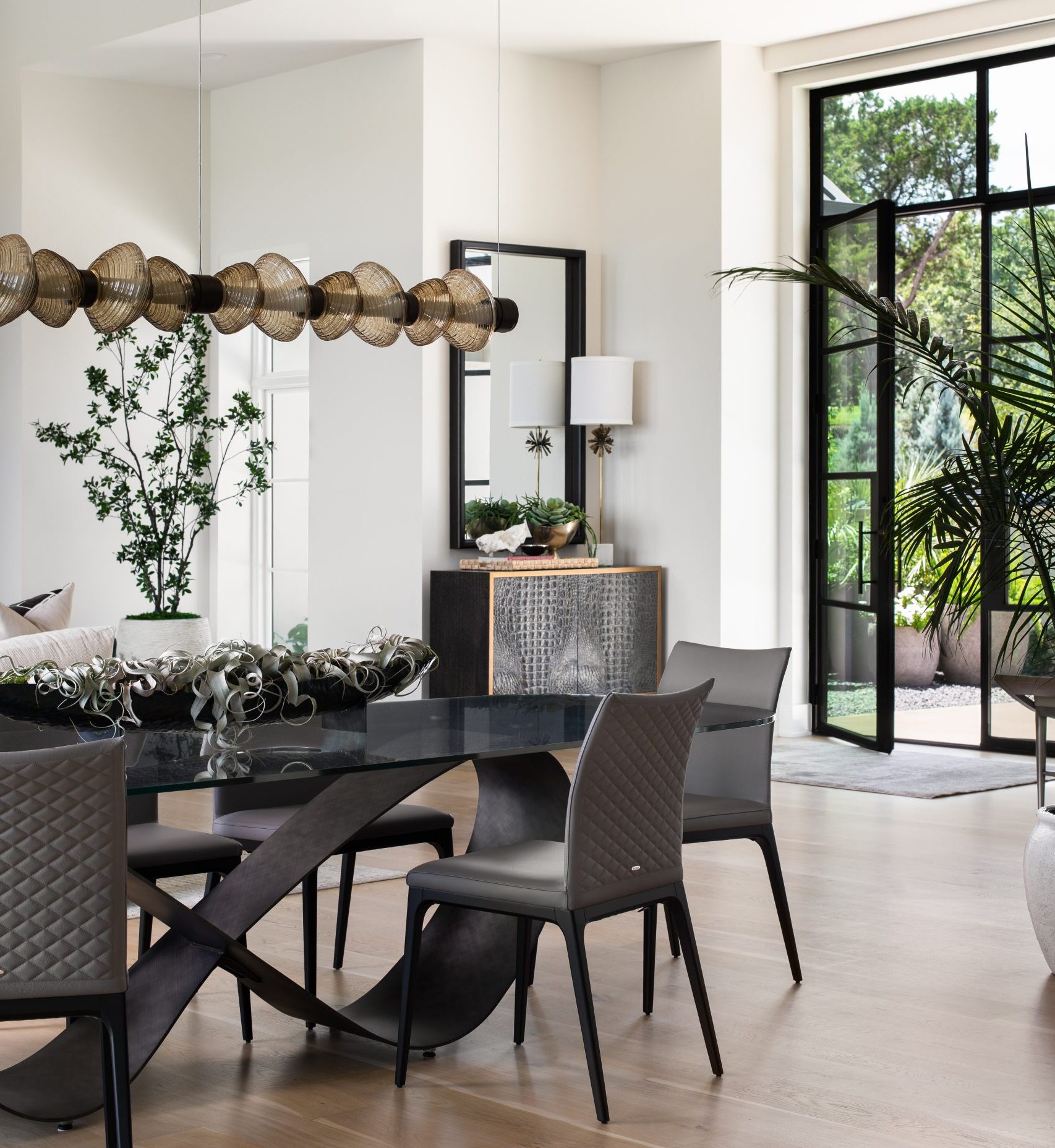
Lighting trend forecasting for 2026 is about understanding structural change within the industry. Designers are no longer asking what’s popular, but what will remain relevant, functional, and desirable for the next decade.
In 2026, forecasting centers on how lighting responds to human behavior, architectural context, and evolving client expectations. Smart systems, circadian-aligned illumination, and modular custom lighting solutions are becoming foundational—not experimental. At the same time, clients are demanding emotional warmth, material honesty, and craftsmanship that feels personal rather than mass-produced.
For designers, this matters most at the specification stage. Selecting lighting today means accounting for longevity, adaptability, and integration. A fixture should evolve with the space, not limit it. The most future-ready projects are grounded in timeless design principles, enhanced—not overshadowed—by innovation.
The distinction is critical:
Trend spotting is reactive. Trend forecasting is strategic.
Designers who lead in 2026 are those who specify lighting systems and forms that will still feel intentional years from now—both aesthetically and technologically.
Key Aesthetic Shifts In Luxury Lighting
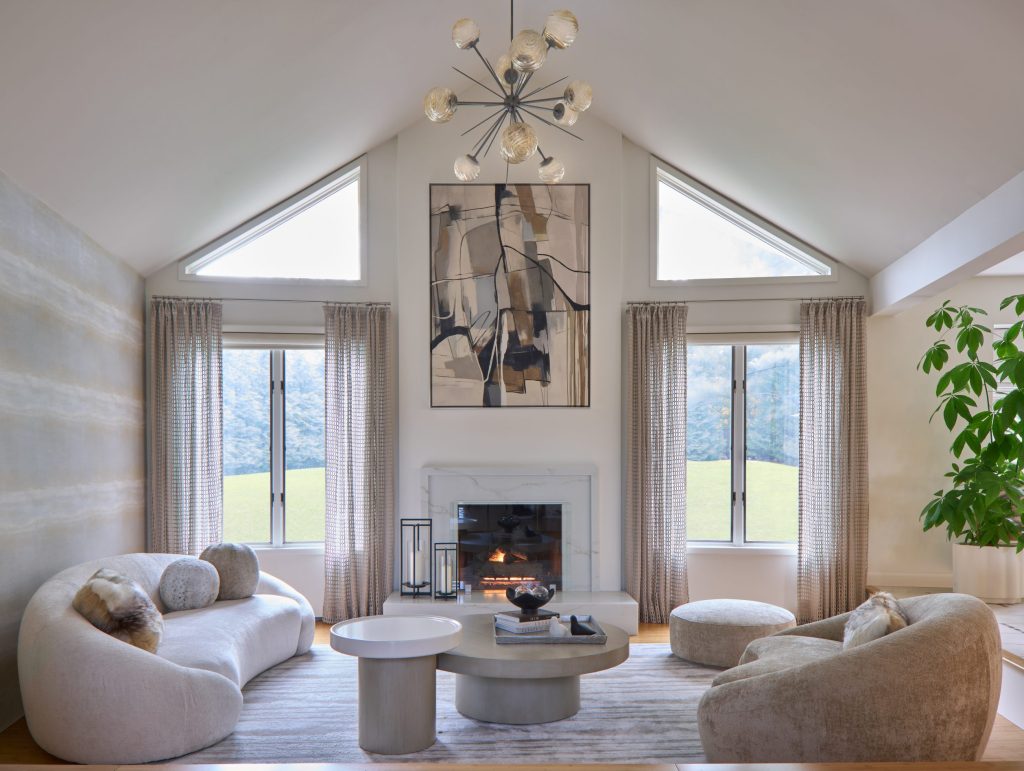
The dominant aesthetic direction shaping luxury lighting for 2026 is intentional warmth. After years of stark minimalism, interiors are moving toward expressive restraint—spaces that feel layered, tactile, and human.
Organic forms remain influential, but with greater refinement. Rather than literal nature motifs, designers are embracing fluid silhouettes, hand-worked textures, and softened geometry that reference nature without mimicking it. Light is used to enhance material depth, architectural rhythm, and emotional tone.
Equally important is the shift away from uniformity. Highly coordinated lighting packages are giving way to curated compositions—mixing sculptural statement pieces with understated architectural lighting. This approach creates interiors that feel collected, not prescribed.
At the center of this evolution is custom lighting. Designers are increasingly working with manufacturers who can scale, modify, and tailor fixtures to the architecture itself. Proportion, finish, and material selection are no longer secondary decisions—they are integral to the design narrative.
Materials, Craft, and Custom Lighting
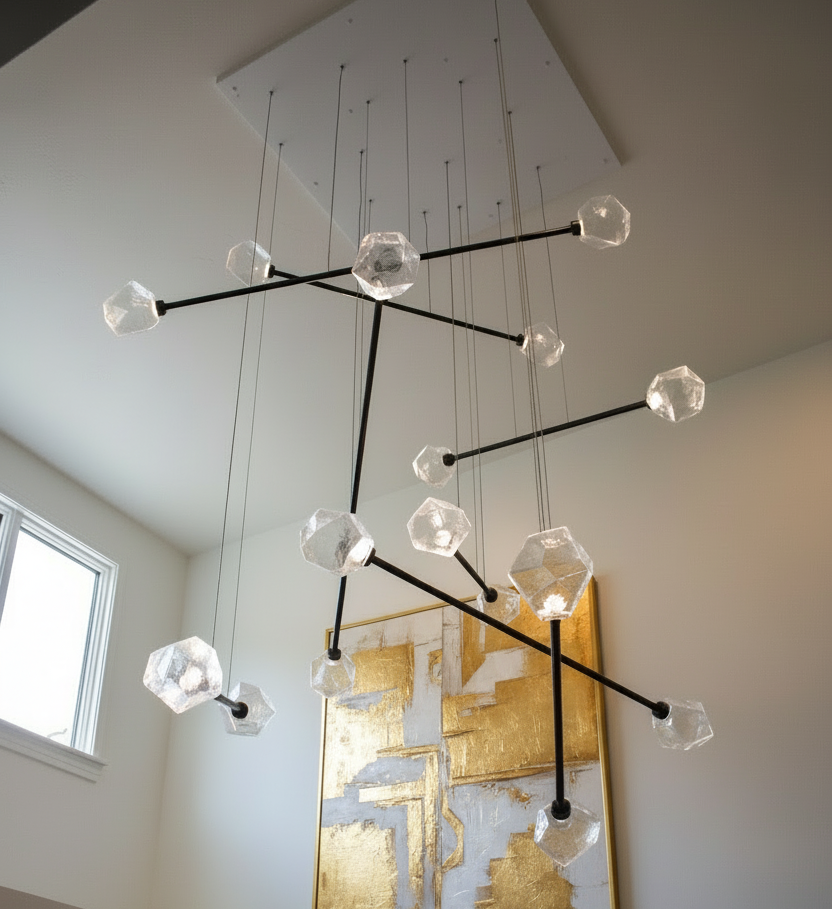
In 2026, material innovation and craftsmanship are inseparable. Designers and clients alike are prioritizing fixtures that reveal the hand behind the work—where subtle variation is a mark of quality, not inconsistency.
Bio-based and responsibly sourced materials are now fully integrated into luxury lighting, but the emphasis has shifted from novelty to execution. Hand-formed glass, sustainably sourced metals, and thoughtfully selected natural materials are valued for their durability, character, and longevity—not just their environmental credentials.
What elevates these materials is artisan technique. Hand-hammered textures, custom patinas, and sculpted forms introduce depth that machine-finished products cannot replicate. This is where custom lighting becomes a design advantage: fixtures are not simply selected, they are developed in partnership with the maker.
For American designers, domestically crafted lighting offers an added layer of value. Local production supports tighter quality control, customization flexibility, and reduced environmental impact—while reinforcing the narrative of authenticity that clients increasingly seek.
Technology as an Invisible Design Partner
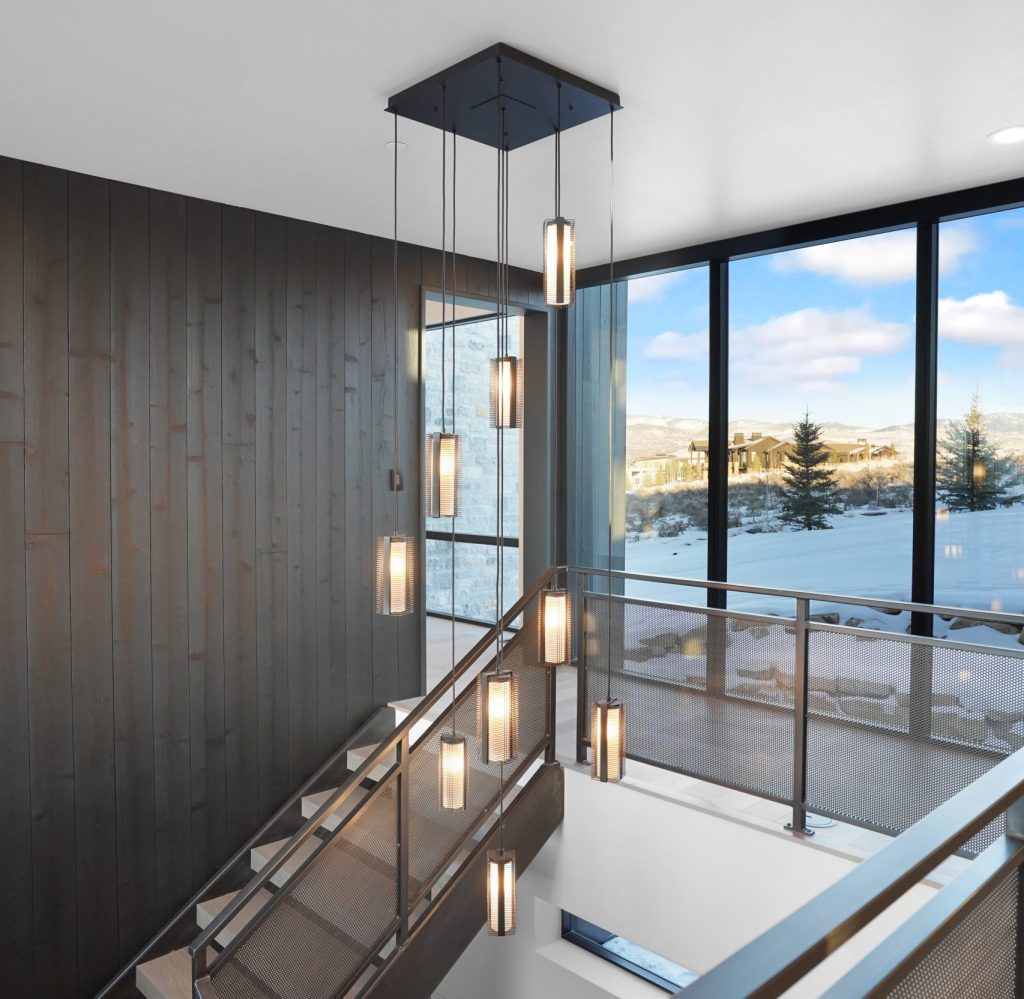
Technology defines many of the most important 2026 Lighting Trends, but its success lies in how little it calls attention to itself.
Advanced LED systems, adaptive controls, and AI-informed lighting platforms now operate quietly in the background—enhancing comfort, wellness, and efficiency without disrupting the visual integrity of the space. The expectation is seamlessness: lighting that responds intuitively to time of day, natural light levels, and user behavior.
Miniaturization has also transformed fixture design. Performance is no longer tied to bulk. Designers can specify sculptural, refined forms that house powerful lighting engines without visible hardware or distraction.
For luxury projects, the true value of technology lies in flexibility. Systems that can be updated, reprogrammed, or expanded ensure that lighting remains relevant as lifestyles and spaces evolve. Designers who understand this balance—between innovation and restraint—deliver environments that feel both advanced and enduring.
Sustainability as a Design Standard
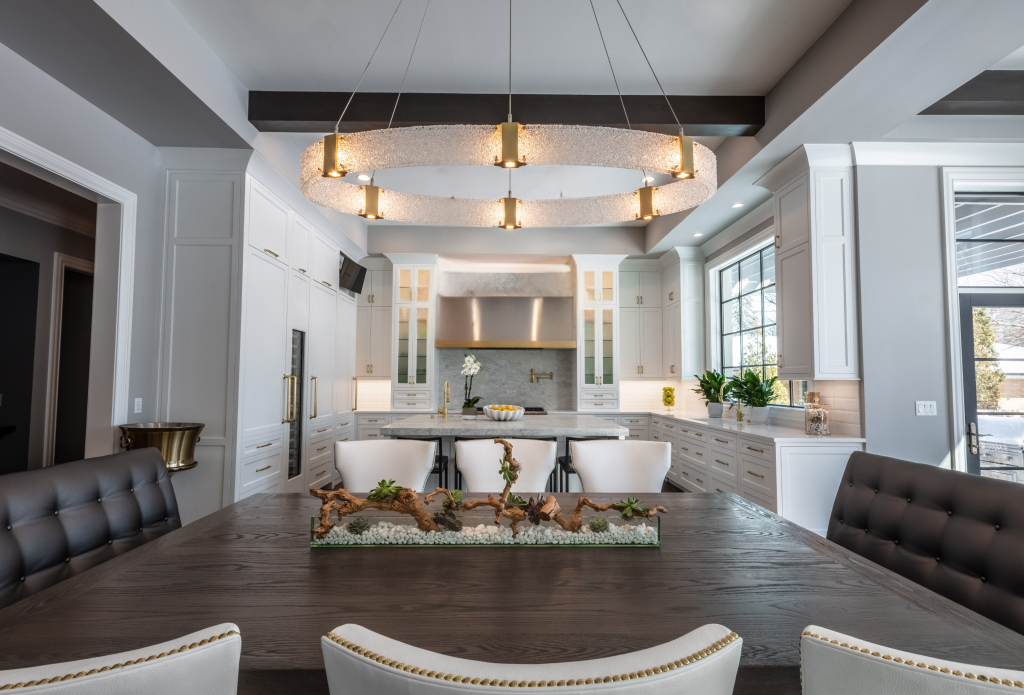
By 2026, sustainability is no longer a differentiator—it is a baseline expectation. Clients want transparency around sourcing, manufacturing, and longevity, and designers are expected to articulate the full lifecycle of the products they specify.
This has shifted sustainability from a marketing claim to a design discipline. Thoughtful material selection, energy-efficient performance, and fixtures built for long-term maintenance all contribute to responsible luxury.
Equally important is durability. Lighting designed to last—both physically and aesthetically—reduces waste and reinforces value. A well-crafted fixture that remains relevant for decades is inherently sustainable, regardless of trend cycles.
Local manufacturing plays a critical role here. Reducing transportation, supporting skilled labor, and maintaining accountability throughout the production process aligns environmental responsibility with design integrity.
Common Pitfalls Designers Should Avoid
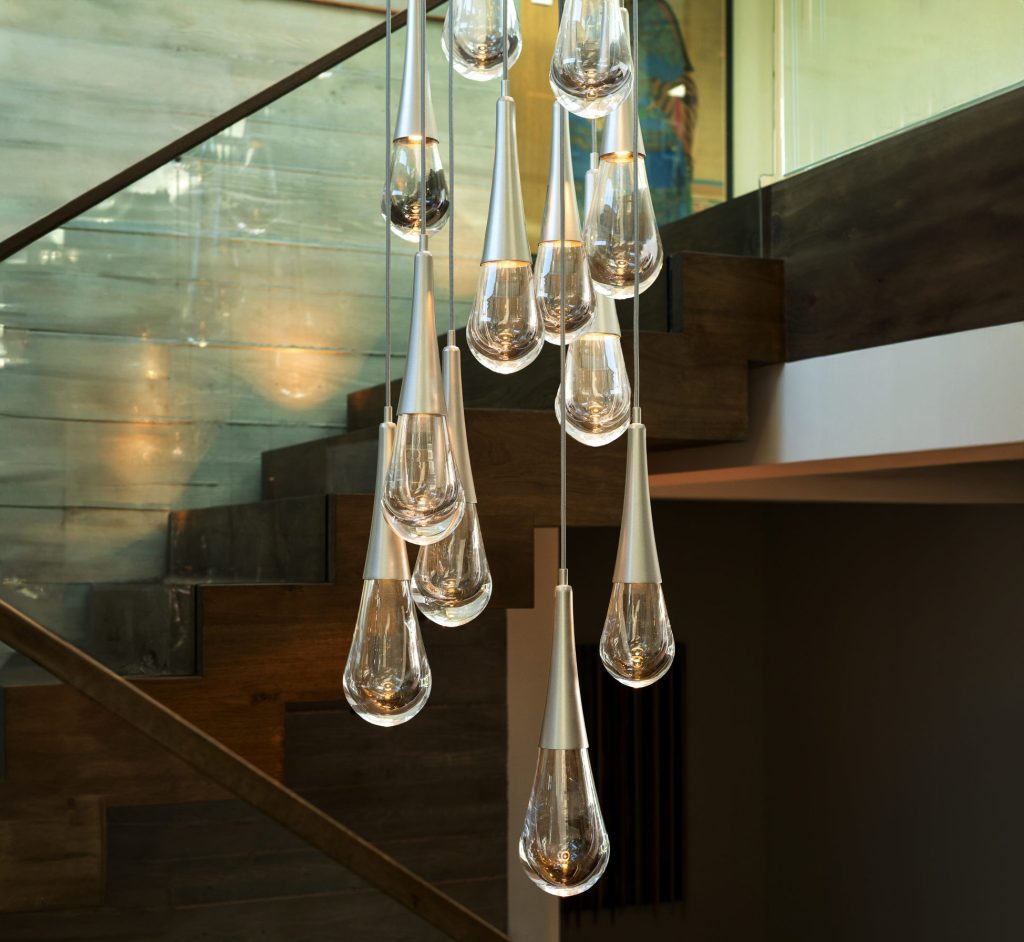
Even as trends evolve, certain principles remain constant. One of the most common missteps is prioritizing visual impact over lighting performance. Statement fixtures cannot compensate for poor layering or insufficient task lighting. Successful spaces balance ambient, task, and accent lighting—every time.
Another pitfall is over-coordination. Perfectly matched fixtures often result in interiors that feel flat and overly controlled. The most compelling projects introduce contrast—pairing handcrafted elements with clean architectural lighting to create visual rhythm.
Finally, context matters. Not every trend belongs in every space. Designers who lead in 2026 use trends as insight, not instruction—filtering ideas through architecture, client lifestyle, and long-term relevance.
Key Takeaways
| Focus Area | Why It Matters in 2026 |
|---|---|
| 2026 Lighting Trends | Forecasting supports long-term specification decisions, not short-term aesthetics |
| Custom Lighting | Personalization and proportion are essential to luxury design |
| Artisan Craft | Handcrafted details signal authenticity and lasting value |
| Integrated Technology | Advanced systems should enhance experience without visual intrusion |
| Sustainability | Longevity and transparency define responsible luxury |
Leading the Future with Hammerton
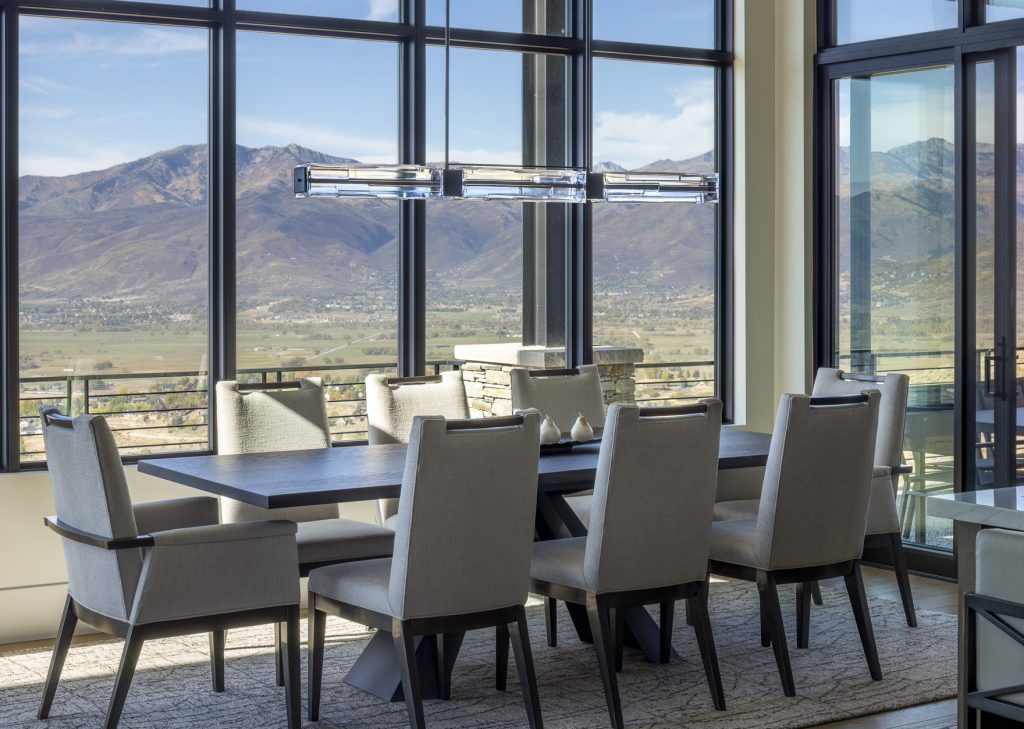
Designing with confidence in 2026 means partnering with manufacturers who understand where luxury lighting is headed—not just where it’s been. You need solutions that balance customization, advanced performance, and artisan craftsmanship without compromise.
At Hammerton, we collaborate with design professionals to create custom lighting that reflects architectural intent, material integrity, and modern innovation. Our collections are handcrafted in the USA, designed for longevity, and engineered to integrate seamlessly with today’s most advanced lighting technologies.
When you specify Hammerton, you’re not following trends—you’re shaping them.
Explore how Hammerton can support your projects with luxury lighting for 2026 and beyond. Discover artisan-crafted solutions designed to elevate your work and endure for decades.
ARE YOU A TRADE PROFESSIONAL?
At Hammerton, we know what it takes to deliver exceptional design on tight timelines. Our Trade Account Program offers exclusive discounts, product access, and dedicated support to help you stay ahead.
APPLY NOW and simplify your workflow from concept to completion.
FAQ:
Q: What is the overarching shift defining luxury lighting in 2026? A: Luxury lighting in 2026 is no longer defined by what looks new — it’s defined by what lasts. The conversation has moved from trend adoption to long-range design intelligence, focusing on how light supports wellness, adapts to architecture, and integrates advanced technology without sacrificing beauty or craft.
Q: What is the difference between trend spotting and trend forecasting in lighting design? A: Trend spotting is reactive — it identifies what’s popular now. Trend forecasting is strategic — it helps designers understand which directions will remain relevant, functional, and desirable for the next decade, enabling smarter specification decisions that won’t feel dated in a few years.
Q: What is the dominant aesthetic direction for luxury lighting in 2026? A: The leading direction is intentional warmth — a move away from stark minimalism toward expressive restraint. Spaces are becoming more layered, tactile, and human, with fluid silhouettes, hand-worked textures, and softened geometry that reference nature without literally mimicking it.
Q: How is the approach to coordinated lighting packages changing in 2026? A: Highly coordinated, perfectly matched lighting packages are giving way to curated compositions — mixing sculptural statement pieces with understated architectural lighting to create interiors that feel collected and personal rather than prescribed and uniform.
Q: Why is custom lighting becoming central to luxury design in 2026? A: Designers are increasingly working with manufacturers who can scale, modify, and tailor fixtures to the architecture itself — because proportion, finish, and material selection are now integral to the design narrative, not secondary decisions made at the end of a project.
Q: What role does technology play in 2026 lighting trends? A: Technology is most valuable when it’s invisible — advanced LED systems, adaptive controls, and AI-informed lighting platforms operate quietly in the background, enhancing comfort and wellness without disrupting the visual integrity of a space. Miniaturization has also allowed powerful lighting engines to live inside refined, sculptural forms without visible hardware.
Q: How has sustainability evolved in luxury lighting specification? A: By 2026, sustainability is no longer a differentiator — it is a baseline expectation. Clients want transparency around sourcing, manufacturing, and longevity. Durability is now understood as an inherently sustainable quality, and local manufacturing is valued for its reduced environmental impact, quality control, and accountability throughout the production process.
Q: What are the most common mistakes designers should avoid when specifying lighting in 2026? A: Three key pitfalls stand out — prioritizing visual impact over lighting performance, over-coordinating fixtures to the point where spaces feel flat and controlled, and applying trends without filtering them through the specific architecture, client lifestyle, and long-term relevance of the project.
Q: How does Hammerton Studio position itself within the 2026 lighting landscape? A: Hammerton collaborates with design professionals to create custom lighting that reflects architectural intent, material integrity, and modern innovation — handcrafted in the USA, designed for longevity, and engineered to integrate with advanced lighting technologies. The goal is not to follow trends, but to shape them.