Lighting Showroom Setup Guide: Create Your Perfect Display
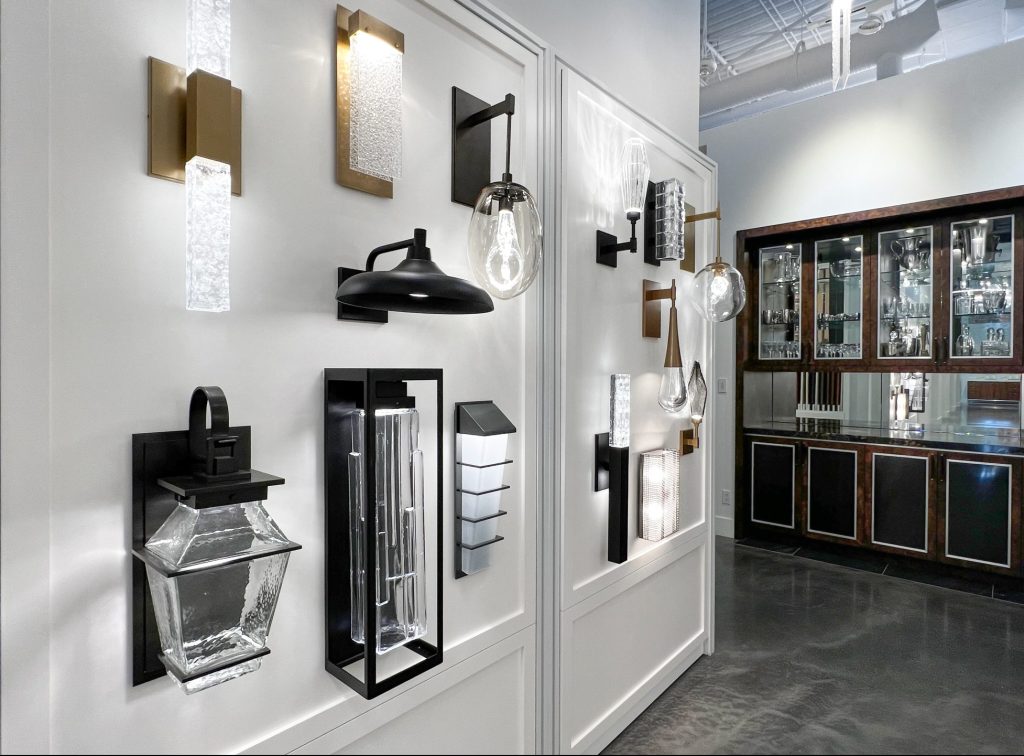
Designing a lighting showroom is about more than picking out stylish fixtures and arranging them on walls and shelves. Some showrooms dedicate over 60 percent of their floor space to immersive, hands-on lighting experiences. That might sound like a waste of valuable square footage at first. The truth is, the entire feel and success of your showroom can change just by rethinking how the space is used—and most people completely overlook this secret advantage.
Table of Contents
- Step 1: Assess Your Space And Requirements
- Step 2: Choose Your Lighting Styles And Themes
- Step 3: Plan Your Layout And Design
- Step 4: Install Lighting Fixtures And Accessories
- Step 5: Test Lighting Effects And Adjust Accordingly
Quick Summary
| Key Point | Explanation |
|---|---|
| 1. Assess spatial characteristics carefully | Understand dimensions, natural light, and architectural features to enhance product display effectively. |
| 2. Develop distinct design zones | Create areas showcasing varied styles to resonate with different design philosophies and customer preferences. |
| 3. Create intuitive pathways for navigation | Layout should guide visitors naturally between displays, enhancing customer experience and product storytelling. |
| 4. Ensure technical precision in installation | Focus on proper electrical connections and fixture heights for optimal visibility and aesthetic appeal during the display. |
| 5. Test and adjust lighting effects continuously | Regularly evaluate lighting performance under different conditions to refine visual impact and customer engagement. |
Step 1: Assess Your Space and Requirements
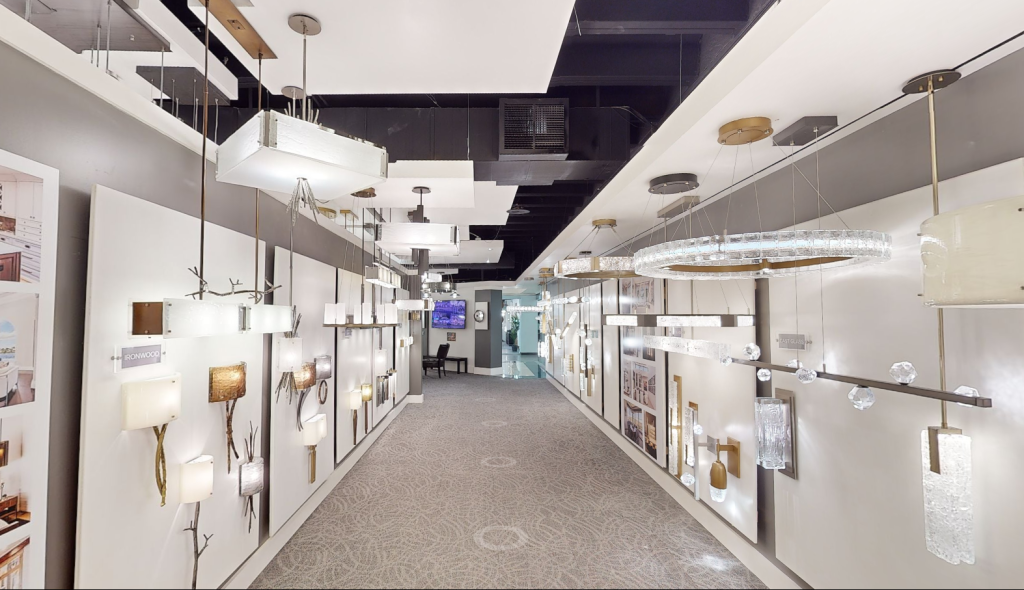
Designing a successful lighting showroom begins with a strategic and comprehensive assessment of your physical space and specific requirements. This initial phase is crucial for creating a display environment that not only showcases your lighting products effectively but also provides potential customers with an immersive and informative experience.
Understanding Your Spatial Canvas
Start by conducting a thorough spatial analysis of your showroom area. Measure the total square footage, ceiling height, window placements, and architectural features that might impact lighting design. Federal Facility Design Guidelines emphasize the importance of understanding spatial characteristics before implementing any lighting strategy.
Consider the natural light sources in your space. Large windows, skylights, or glass facades can dramatically influence how artificial lighting appears and performs throughout the day. Map out these natural light zones and plan your product displays to complement or contrast with existing illumination patterns.
Strategic Product Display Planning
Your showroom layout should facilitate a seamless customer journey that highlights the unique qualities of different lighting collections. Identify key display zones where specific product lines or design styles can be showcased most effectively. These might include dedicated areas for:
- Contemporary pendant collections
- Vintage and heritage lighting designs
- Specialty artisan glass and metalwork displays
- Commercial and hospitality lighting solutions
Pay special attention to electrical infrastructure. Verify the location of existing power outlets, potential mounting points for suspended fixtures, and the capacity of your electrical system to support complex lighting installations. This preliminary technical assessment prevents costly redesigns and ensures your showroom can accommodate diverse product demonstrations.
Consider traffic flow and viewing angles. Customers should be able to approach displays comfortably, examine fixtures from multiple perspectives, and understand how different lighting solutions might integrate into their own spaces. Create intentional pathways that guide visitors through a narrative of design possibilities, allowing each product to tell its own story of craftsmanship and aesthetic potential.
By meticulously assessing your space and developing a strategic display framework, you establish the foundational blueprint for a lighting showroom that not only exhibits products but creates an immersive, inspirational environment for design professionals and discerning customers alike.
Here is an overview of the five main setup steps for creating a successful lighting showroom, summarizing their purpose and the key outcome for each phase.
| Step | Purpose | Key Outcome |
|---|---|---|
| Assess Space and Requirements | Evaluate physical space, natural light, and infrastructure | Foundational plan for functional, immersive displays |
| Choose Lighting Styles and Themes | Develop design zones reflecting diverse aesthetics | Curated showroom narrative that resonates with customers |
| Plan Layout and Design | Map out traffic flow, focal points, and display areas | Strategic customer journey and product storytelling |
| Install Fixtures and Accessories | Execute precise mounting, integrate controls, manage wiring | Seamless and visually cohesive showroom environment |
| Test and Adjust Lighting Effects | Audit lighting performance, refine placement and settings | Optimized showroom visual impact and customer experience |
Step 2: Choose Your Lighting Styles and Themes
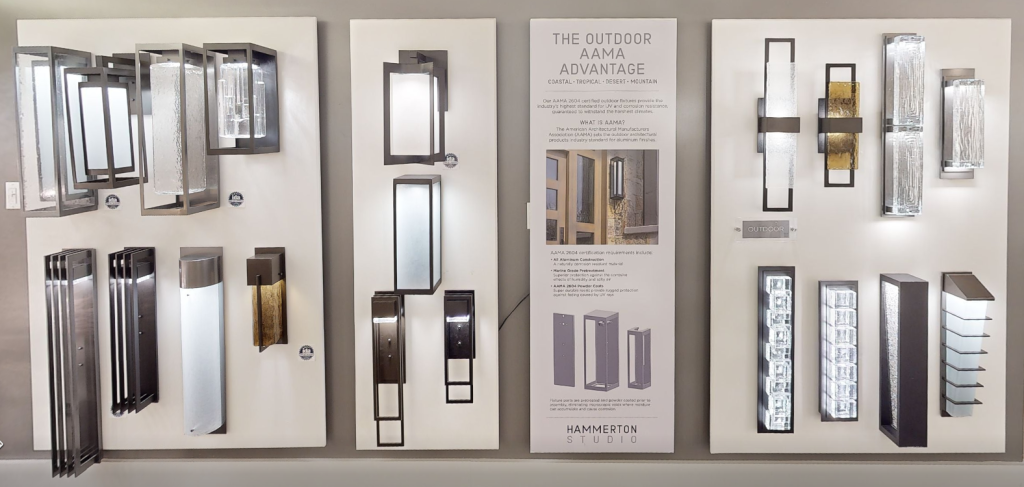
Selecting the appropriate lighting styles and themes transforms your showroom from a mere product display into a curated design narrative that speaks directly to your target audience. This critical step goes beyond simply arranging fixtures—it requires crafting a visual story that resonates with design professionals and discerning customers.
Begin by understanding the core design philosophies that will guide your showroom aesthetic. Explore custom lighting ideas that can transform spaces, drawing inspiration from contemporary architectural trends and timeless design principles. Your chosen themes should reflect a comprehensive understanding of how lighting interacts with architectural environments.
Consider developing distinct design zones that showcase the versatility and range of your lighting collections. These zones might represent different design philosophies: minimalist contemporary spaces, warm traditional interiors, industrial chic environments, and elegant transitional settings. Each zone should demonstrate how a carefully selected lighting fixture can dramatically transform a space’s ambiance and emotional resonance.
Your thematic approach should balance visual diversity with cohesive design language. Color palettes, material textures, and architectural silhouettes play crucial roles in creating compelling display narratives. Select a foundational color scheme that allows individual lighting pieces to stand out while maintaining an overall sense of visual harmony. Neutral backgrounds like soft grays, warm whites, or muted earth tones can provide an elegant canvas that highlights the intricate details of your lighting designs.
Architectural lighting principles suggest creating visual hierarchy within your display. Place statement pieces in prominent locations—perhaps near natural light sources or at intersections of customer traffic paths. Large, sculptural fixtures can serve as focal points that draw visitors deeper into your showroom experience, while smaller, more intricate pieces can be strategically positioned to reward closer examination.
Consider incorporating interactive elements that allow customers to experience lighting transformations firsthand. Install dimmer switches, demonstrate color temperature variations, or create small vignettes that show how a single fixture can dramatically alter a space’s mood and perception. These experiential touches help potential clients envision how your lighting solutions might integrate into their own design projects.
Finalize your theme selection by ensuring it aligns with your brand’s design philosophy and target market. A well-curated lighting showroom tells a story—not just about individual products, but about the design possibilities that emerge when craftsmanship meets creative vision.
Step 3: Plan Your Layout and Design
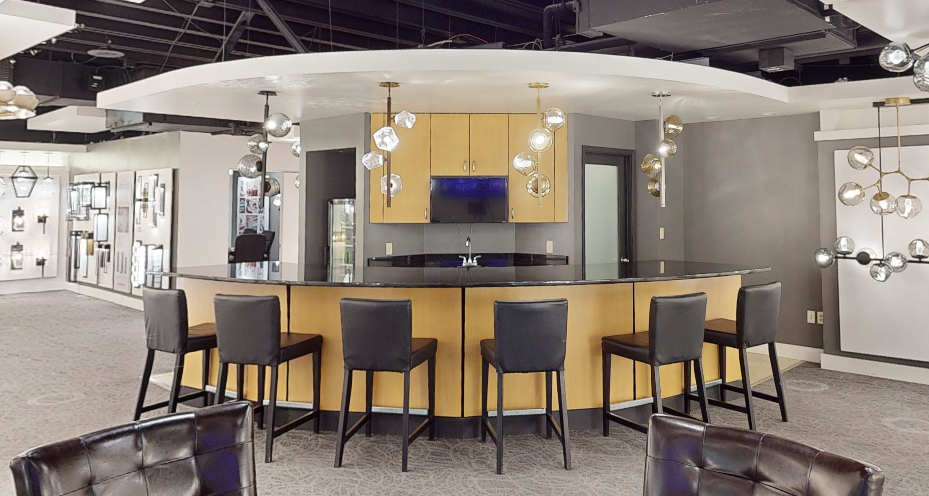
Designing a strategic lighting showroom layout requires meticulous planning that balances visual appeal, functional navigation, and product storytelling. This step transforms your spatial assessment and design themes into a cohesive, immersive customer experience that guides visitors through a carefully choreographed design journey.
Federal facility design guidelines emphasize the critical importance of thoughtful spatial arrangement, which serves as the foundation for an engaging showroom environment. Your layout should create intuitive pathways that invite exploration while strategically highlighting key product collections.
Begin by developing a digital floor plan using design software or precise hand-drawn sketches. Mark electrical access points, natural light sources, and potential fixture mounting locations. Consider creating distinct circulation zones that allow customers to move naturally through different design narratives. These zones might include intimate vignettes showcasing residential lighting, expansive areas for large statement pieces, and specialized sections demonstrating commercial and hospitality lighting solutions.
Careful attention to sightline design becomes paramount in creating visual intrigue. Position your most dramatic or unique lighting fixtures where they can be seen from multiple angles and entry points. Use architectural elements like platforms, risers, or strategically angled walls to create visual layering that draws the eye through the showroom space. Each viewing perspective should offer a new and compelling visual experience that encourages further exploration.
Consider the psychological impact of your layout. Human movement patterns naturally follow certain spatial cues, so design your showroom to gently guide visitors through a curated design journey. Create focal points that act as visual anchors, using larger or more dramatically positioned fixtures to draw attention and establish reference points within the space.
Ergonomic considerations are equally important. Ensure sufficient walking space between displays, maintain comfortable viewing distances, and provide areas where customers can pause and contemplate design possibilities. Lighting fixtures should be mounted at varied heights to accommodate different visitor perspectives and create a dynamic, engaging environment.
Technical infrastructure demands careful planning. Verify that your electrical systems can support multiple fixture demonstrations, including dimming capabilities and varied voltage requirements. Install high-quality track lighting or adjustable mounting systems that allow for flexible reconfiguration of displays as your product collections evolve.
Verify your layout’s effectiveness by walking through the space multiple times, imagining yourself as a potential customer. Look for natural flow, visual clarity, and the emotional impact of your design narrative. A successful showroom layout should feel both intentional and effortlessly inviting, transforming product display into an immersive design experience.
Step 4: Install Lighting Fixtures and Accessories
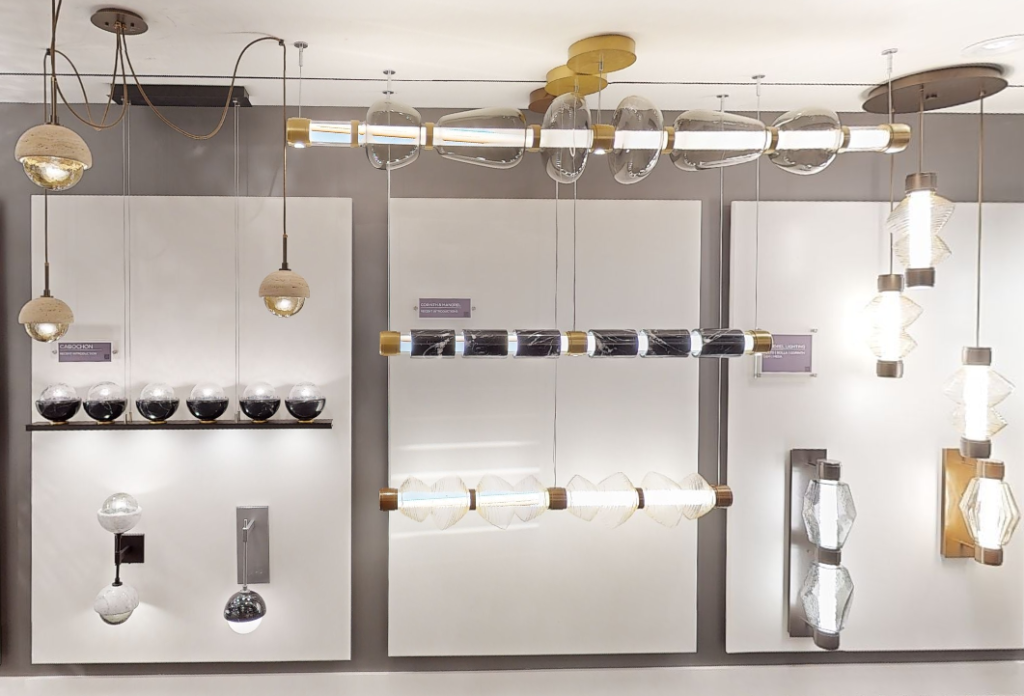
The installation of lighting fixtures and accessories represents the moment where your showroom design transforms from conceptual planning to tangible, immersive experience. This critical phase demands precision, creativity, and a deep understanding of how each fixture contributes to the overall narrative of your display.
Energy efficiency guidelines suggest integrating smart lighting controls to enhance both aesthetic appeal and operational flexibility. Begin by preparing a comprehensive installation toolkit that includes essential equipment: heavy-duty mounting brackets, professional-grade electrical tools, adjustable suspension systems, wire management solutions, and specialized safety equipment.
Prioritize electrical safety and technical precision during fixture mounting. Work systematically through your predetermined layout, starting with larger statement pieces that will anchor your display zones. Suspension heights require meticulous calculation—each fixture should be positioned to maximize visibility while maintaining comfortable viewing angles. For pendant collections, create visual interest by varying mounting heights slightly, generating a dynamic sculptural effect that invites closer examination.
Consider exploring integrated LED light fixture technologies that offer enhanced design flexibility and energy efficiency. These modern solutions allow for more streamlined installations and provide consistent, controllable illumination that can dramatically transform how your products are perceived.
Accessory integration becomes an art form in a professional lighting showroom. Beyond the fixtures themselves, thoughtfully incorporate elements that contextualize your lighting designs. This might include architectural material samples, color swatches, scaled room renderings, or digital displays that demonstrate how specific fixtures perform in various architectural environments. These supplementary materials help customers envision the transformative potential of your lighting collections.
Electrical infrastructure demands careful management. Conceal power cables and connectivity solutions using innovative wire management techniques that maintain a clean, professional appearance. Consider using custom-fabricated cable channels, minimalist track systems, or architectural elements that elegantly integrate technical requirements without disrupting visual flow.
Create interactive demonstration zones where customers can personally experience lighting transformations. Install dimmer controls, color temperature adjusters, and remote control interfaces that allow hands-on exploration of each fixture’s capabilities. These tactile experiences bridge the gap between visual display and practical understanding, empowering design professionals to fully appreciate the nuanced qualities of your lighting collections.
Finally, conduct a comprehensive review of your installation. Verify electrical connections, test dimming capabilities, assess fixture alignments, and confirm that each display communicates its intended design narrative. A successful installation should feel both meticulously engineered and effortlessly elegant—a testament to your showroom’s commitment to exceptional design and craftsmanship.
Below is a table summarizing essential tools and materials needed for installing lighting fixtures and accessories in your showroom, along with their specific purposes.
| Tool/Material | Purpose | Notes |
|---|---|---|
| Heavy-duty mounting brackets | Securely attach fixtures to ceilings or walls | Required for stable, professional installation |
| Professional-grade electrical tools | Ensure safe and accurate wiring | Includes screwdrivers, wire cutters, testers |
| Adjustable suspension systems | Achieve precise fixture placement and height | Especially important for pendant displays |
| Wire management solutions | Conceal and organize electrical wiring | Maintains clean, unobtrusive showroom appearance |
| Specialized safety equipment | Protect installers during setup | Gloves, goggles, or harnesses if needed |
| Integrated LED fixture technologies | Enable energy-efficient, flexible displays | Offers adjustable color temperature options |
| Digital controls/dimmers | Allow customer interaction with lighting effects | Enhances experiential showroom zones |
Step 5: Test Lighting Effects and Adjust Accordingly
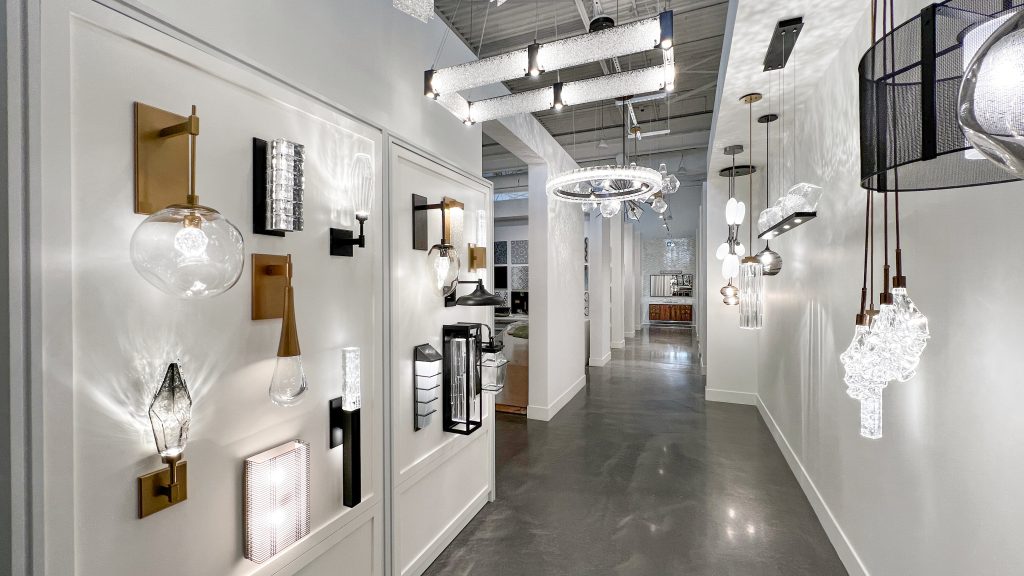
Testing and fine-tuning lighting effects represents the most nuanced phase of your showroom design, where technical precision meets artistic expression. This critical step transforms your carefully planned installation into a dynamic, compelling visual experience that communicates the true potential of your lighting collections.
Research from the National Renewable Energy Laboratory emphasizes the importance of systematic evaluation in achieving optimal lighting performance. Begin by conducting a comprehensive lighting audit that involves observing your showroom under various conditions: natural daylight, transitional evening light, and complete artificial illumination.
Develop a systematic assessment protocol that examines multiple dimensions of lighting performance. Evaluate how different fixtures interact with architectural surfaces, how color temperatures shift throughout the day, and how shadows and highlights emerge across your display zones. Use professional light measurement tools like lux meters and color rendering index (CRI) meters to obtain objective data about your lighting environment.
Consider breaking traditional lighting design rules by experimenting with unconventional placement and unexpected combinations. Subtle adjustments in fixture positioning can dramatically alter the perceived depth, texture, and emotional resonance of your display. Move fixtures incrementally, observing how even minor changes can transform the visual narrative of your showroom.
Pay close attention to color rendering and temperature consistency. Different lighting fixtures should create a harmonious visual experience, with smooth transitions between varying color temperatures and intensities. Use adjustable dimming systems to create layers of illumination that can be dynamically modified to suit different viewing scenarios and customer preferences.
Create simulated environment tests that mimic real-world design contexts. Develop miniature room settings or digital projection environments where customers can see how specific lighting solutions perform in residential, commercial, and hospitality contexts. These immersive demonstrations provide tangible insights into the transformative potential of your lighting collections.
Document your testing process meticulously. Take high-quality photographs and videos under various lighting conditions, capturing how fixtures perform from multiple angles and perspectives. These visual records not only serve as valuable design references but can also become powerful marketing materials that showcase the depth and versatility of your lighting solutions.
Remember that lighting is fundamentally an experiential art form. Your goal is not just technical perfection but creating emotional resonance. Each adjustment should be guided by an understanding of how light shapes perception, transforms spaces, and evokes specific atmospheric qualities. A truly exceptional lighting showroom does more than display products—it tells a story of design possibility, inviting customers to reimagine their own environments through the transformative power of thoughtful illumination.
Elevate Your Lighting Showroom With American Artisan Craftsmanship
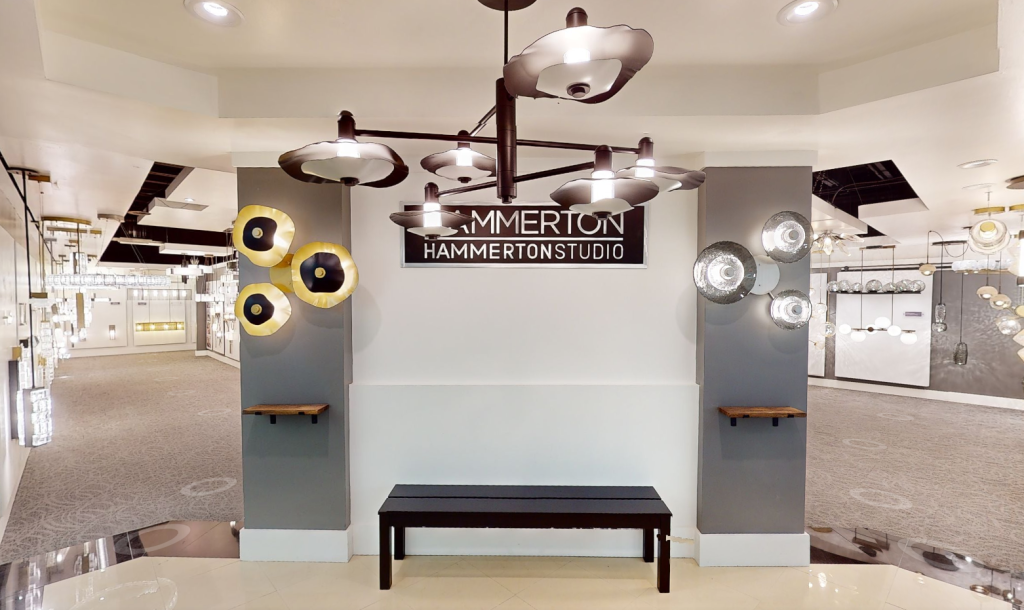
Are you struggling to create a lighting showroom that captivates clients, flows effortlessly, and highlights the true spirit of each fixture? The Lighting Showroom Setup Guide: Create Your Perfect Display shows that every successful showroom starts with a strategic approach—merging space planning, thoughtful layout, and the right design themes. But so many professionals hit a wall when it comes to sourcing lighting collections that balance exceptional design, proven craftsmanship, and installation flexibility.
Experience the difference with Hammerton Studio. Our American-made artisan lighting combines bold design ideas with meticulous detailing—perfect for showroom environments that demand inspiration and performance. Discover how our handcrafted collections, crafted to your specifications, can help you test new layouts, demonstrate lighting effects, and achieve a showroom worthy of your vision. Visit our site today and let our design experts help you realize a space that stands out. Take the next step now and see how extraordinary lighting can bring your perfect display to life.
Frequently Asked Questions
What should I consider when assessing my lighting showroom space?
You should conduct a thorough spatial analysis, considering factors like total square footage, ceiling height, window placements, and existing natural light sources. This will help in planning effective product displays and lighting strategies.
How can I choose the right lighting styles and themes for my showroom?
Begin by understanding core design philosophies and creating distinct design zones that reflect various styles. Consider color palettes, material textures, and how different fixtures interact with architectural environments to craft a cohesive visual narrative.
What is the importance of layout planning in a lighting showroom?
A well-planned layout creates intuitive pathways, enhances product visibility, and tells a compelling design story. It helps guide customer traffic flow and maintains visual clarity, ensuring an immersive experience.
How can I test and adjust lighting effects in my showroom?
Conduct a comprehensive lighting audit by observing your showroom under varying conditions and using measurement tools like lux meters. Experiment with placement and adjust fixtures for optimal color rendering, temperature consistency, and emotional impact.
ARE YOU A TRADE PROFESSIONAL?
At Hammerton, we know what it takes to deliver exceptional design on tight timelines. Our Trade Account Program offers exclusive discounts, product access, and dedicated support to help you stay ahead.
APPLY NOW and simplify your workflow from concept to completion.