Lighting Fixture Materials: A Designer’s Guide
A lighting fixture’s material defines everything: its durability, the quality of light it casts, and the emotional character it brings to a room. The materials used in professional specification spans metals, glass, natural stone, and synthetics, each with distinct optical and structural properties. Hammerton Studio, for example, works with artisan blown glass, woven steel mesh, bronze, aluminum, eco-resins, and crystal across our American-made collections. Understanding these materials before you specify or purchase a fixture saves costly mistakes and produces spaces that genuinely perform. This guide covers every major material category with the technical and aesthetic detail that homeowners and designers actually need.
1. What are the most common metals used in lighting fixtures?
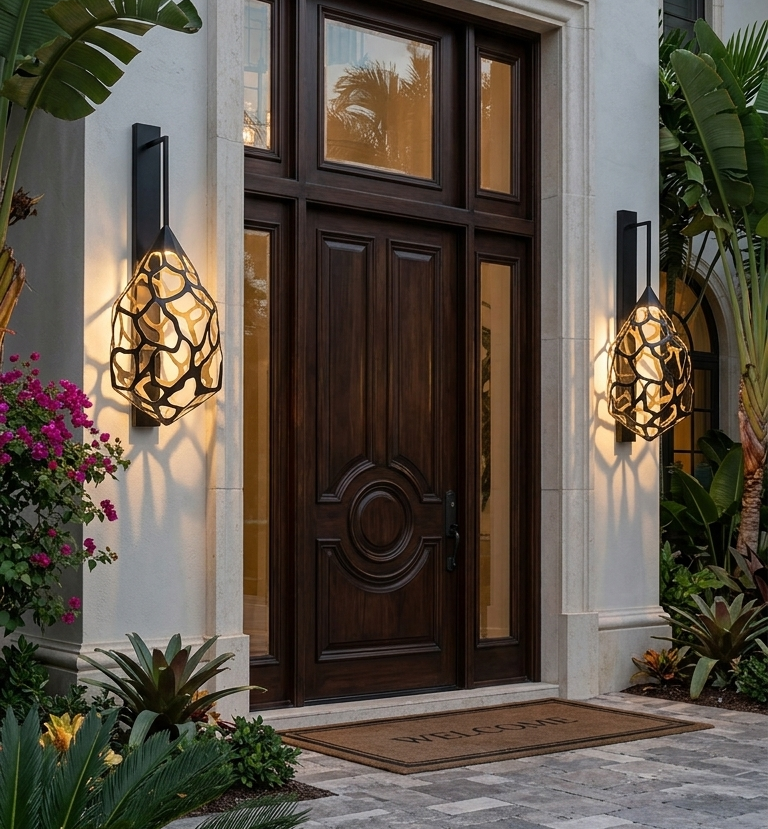
Metals form the structural backbone of most fixtures, and the alloy grade you choose shapes both longevity and appearance. Solid brass and copper are highly durable outdoor materials that develop a protective patina over time. That patina is not decay. It is a stable oxide layer that actively shields the metal beneath from further corrosion.
Brass comes in two primary grades relevant to lighting: C26000 and C36000. C26000 versus C36000 brass alloys differ in machinability and zinc content, which affects both the fixture’s final color and its resistance to stress cracking. Specifying the wrong grade can produce inconsistent finishes across a multi-fixture installation.
Aluminum alloys offer a lighter alternative with excellent corrosion resistance when powder-coated. Powder-coated aluminum remains stable at 5,000 hours of accelerated weathering, while PVC shows visible yellowing after roughly 1,500 hours. That gap in performance is decisive for any outdoor or high-humidity application. Powder coating also opens a wide range of color options that natural patina cannot match.
- Brass (C26000, C36000): Rich warm tone, develops natural patina, ideal for traditional and transitional interiors
- Copper: Warm reddish tone, strong corrosion resistance, well suited to coastal and outdoor environments
- Aluminum (powder-coated): Lightweight, color-stable, low maintenance, best for contemporary and outdoor fixtures
- Stainless steel: Bright, neutral finish, high resistance to moisture and salt air
- Steel and iron: Structural strength for large-scale fixtures, typically finished with paint or powder coat
2. How do glass and crystal materials influence light quality?
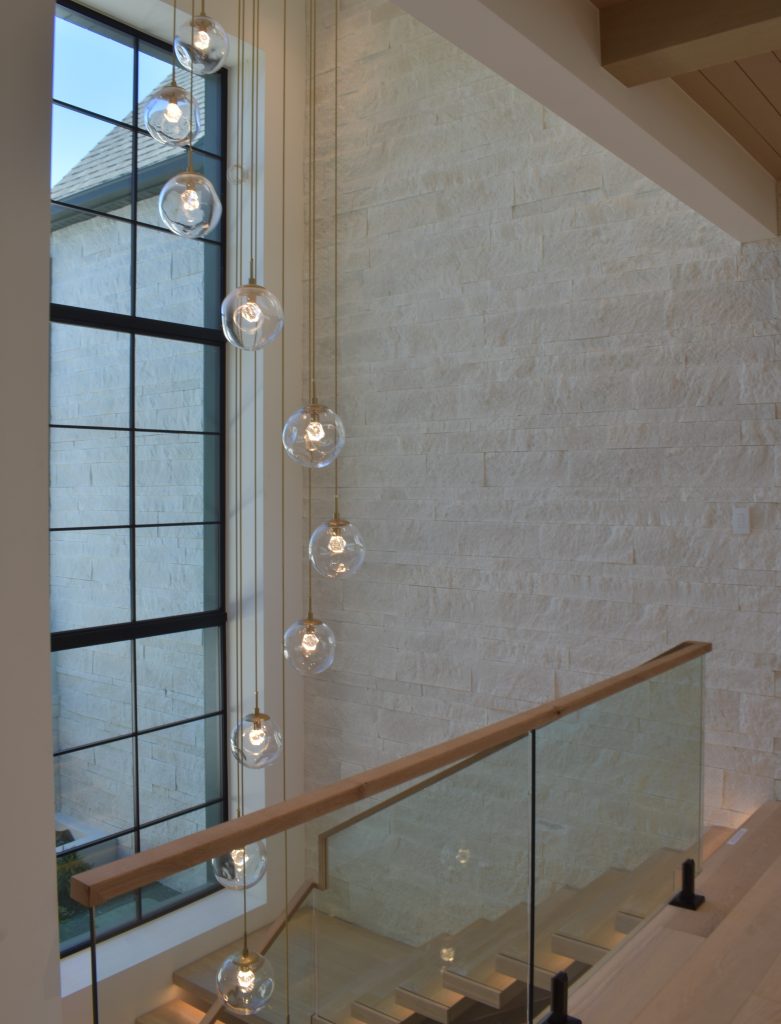
Glass is the material most responsible for how a fixture feels in a room. Glass produces omnidirectional ambient light that fills a space evenly, making it the preferred choice for living areas and dining rooms where warmth and openness matter. The specific type of glass determines whether that light is crisp, diffused, or dramatically textured.
Artisan blown glass lighting produces subtle variations in thickness and surface texture that no machine-made glass replicates. Those variations scatter light in organic patterns that shift as you move through the room. Hammerton Studio’s artisan glass collections are built on this principle, treating each piece as a functional sculpture rather than a commodity component.
The optical categories most relevant to fixture specification include:
- Clear blown glass: Maximum light transmission, shows the bulb, best for statement pendants
- Opal glass: Dense white diffusion, hides the source completely, produces soft even glow
- Frosted glass: Semi-diffuse, softens glare while retaining some brightness
- Seeded glass: Decorative bubbles scatter light with a vintage, artisan quality
- Textured glass: Surface patterns create dramatic shadow and light play on surrounding walls
Crystal deserves its own distinction. Lead crystal produces prismatic refraction that free crystal and K9 glass cannot fully match. K9 glass is a borosilicate optical glass widely used in contemporary chandeliers. It offers strong clarity at a lower price point than full lead crystal, though its refractive index is measurably lower. For a deeper look at how crystal compares to glass in modern fixture design, the distinction in sparkle and weight is significant.
3. What natural stone materials are used in lighting fixtures?
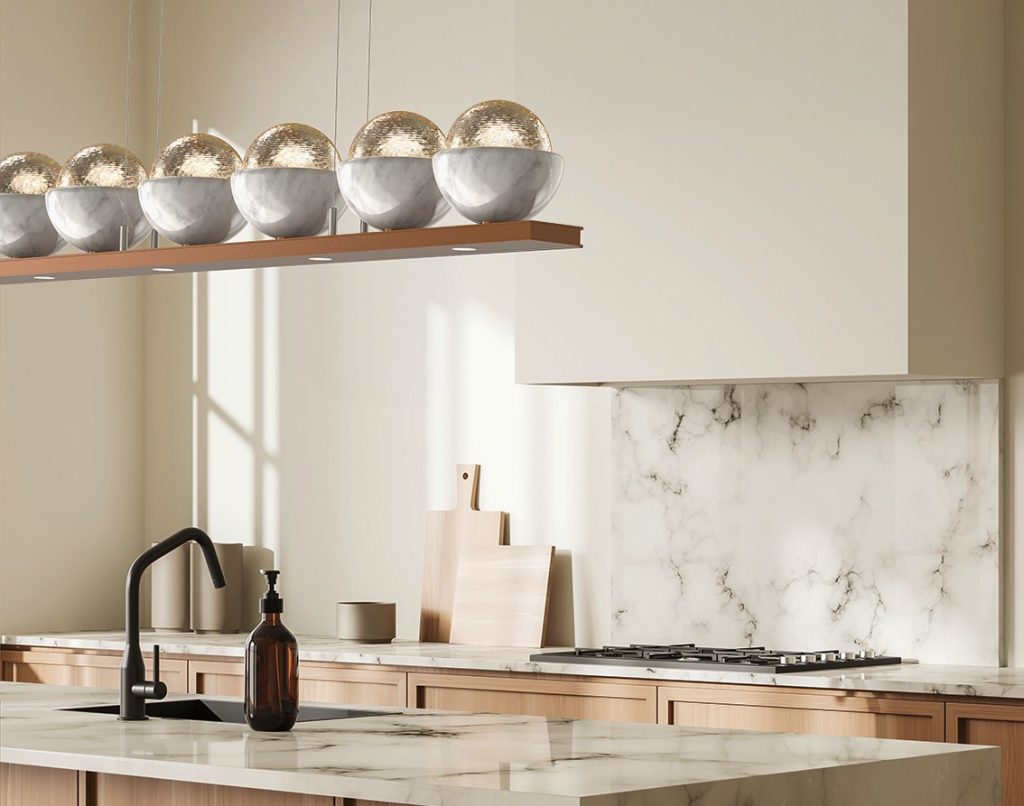
Natural stone brings a quality to lighting that no manufactured material replicates: the sense that the fixture has geological weight and history. Alabaster, marble, and onyx are the three stones most commonly used in decorative lighting, and each behaves very differently when light passes through it.
Alabaster is the most translucent of the three. Alabaster at 15mm thickness transmits 35–45% of light and produces a soft, warm diffusion that feels almost candlelike. Thicker slabs diffuse more evenly but reduce total transmission. Thinner slabs transmit more light but can show uneven hotspots. That thickness-versus-diffusion trade-off is the central design decision when specifying alabaster shades.
| Stone | Light transmission | Diffusion quality | Maintenance level |
|---|---|---|---|
| Alabaster | 35–45% at 15mm | Soft, warm, even | Moderate (avoid moisture) |
| Onyx | Variable by vein density | Dramatic, patterned | High (porous, fragile) |
| Marble | Low to moderate | Minimal, mostly opaque | High (staining risk) |
Marble’s quarry origin directly affects its light behavior. Marble quarry identification matters in professional specification because veining density and mineral composition vary significantly between sources, affecting both aesthetics and light transmission. A Calacatta slab from Carrara behaves differently from a Statuario cut from the same region. For a custom project like the grand foyer chandelier Hammerton produced, stone selection required precise sourcing to achieve consistent visual results across multiple panels.
Stone fixtures are sculptural statements, not everyday workhorses. They require careful cleaning, protection from moisture, and gentle handling during installation. The reward is a fixture that reads as genuinely luxurious in a way that glass and metal alone cannot achieve.
4. What synthetic materials are commonly found in lighting fixtures?
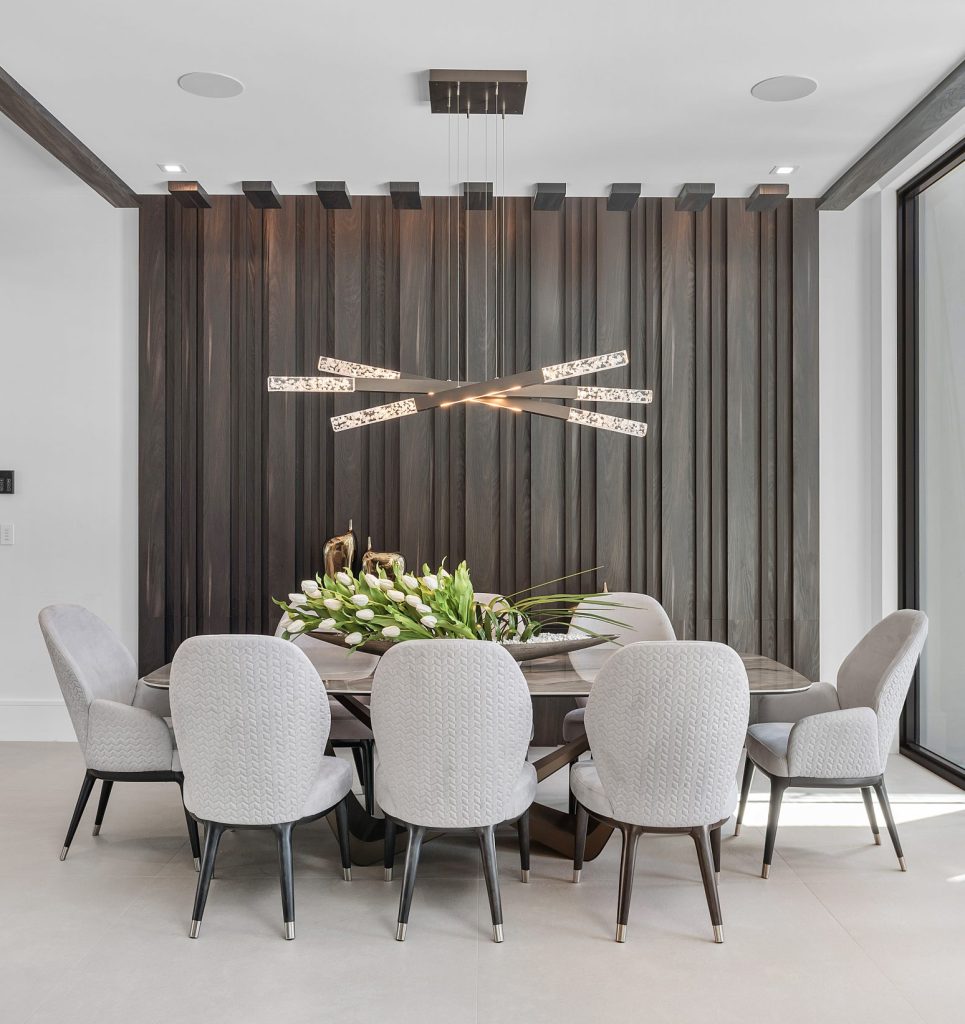
Synthetics dominate the commercial and budget fixture market because they are lightweight, moldable, and cost-effective. The performance gap between synthetic types is significant, and choosing the wrong polymer creates problems that show up months after installation.
Acrylic, known by its chemical name PMMA, offers 92% light transmission, the highest of any diffuser material. That optical clarity makes it the preferred choice for LED diffuser covers where maximum brightness is the goal. The liability is brittleness. PMMA generates significantly more cracking returns than polycarbonate in surface-mounted applications, particularly when installers apply pressure during fitting.
| Material | Light transmission | Heat resistance | Best application |
|---|---|---|---|
| Acrylic (PMMA) | ~92% | Moderate | Pendant diffusers, decorative shades |
| Polycarbonate (PC) | Slightly lower | Up to 129°C | Surface-mounted, outdoor covers |
| Silicone | Reduced (40–50% brightness loss) | High | Flexible profiles, curved fixtures |
| PVC | Moderate (degrades over time) | Low | Avoid in permanent fixtures |
Polycarbonate holds its shape at temperatures up to 129°C and resists impact far better than acrylic. Polycarbonate and fiberglass are the preferred synthetics for outdoor LED fixtures because they resist weathering without yellowing. PVC, by contrast, shows visible color degradation after roughly 1,500 hours of accelerated aging. No permanent fixture should use PVC as a primary diffuser material.
Silicone is the specialist option. It conforms to curved and flexible profiles that rigid materials cannot follow. The cost is significant: silicone diffusers reduce brightness by 40–50%, requiring a higher-lumen light source to compensate. Silicone also shifts color temperature more than rigid diffusers, a factor that matters in color-critical applications like retail or art galleries.
5. How to choose the right lighting fixture material for your application
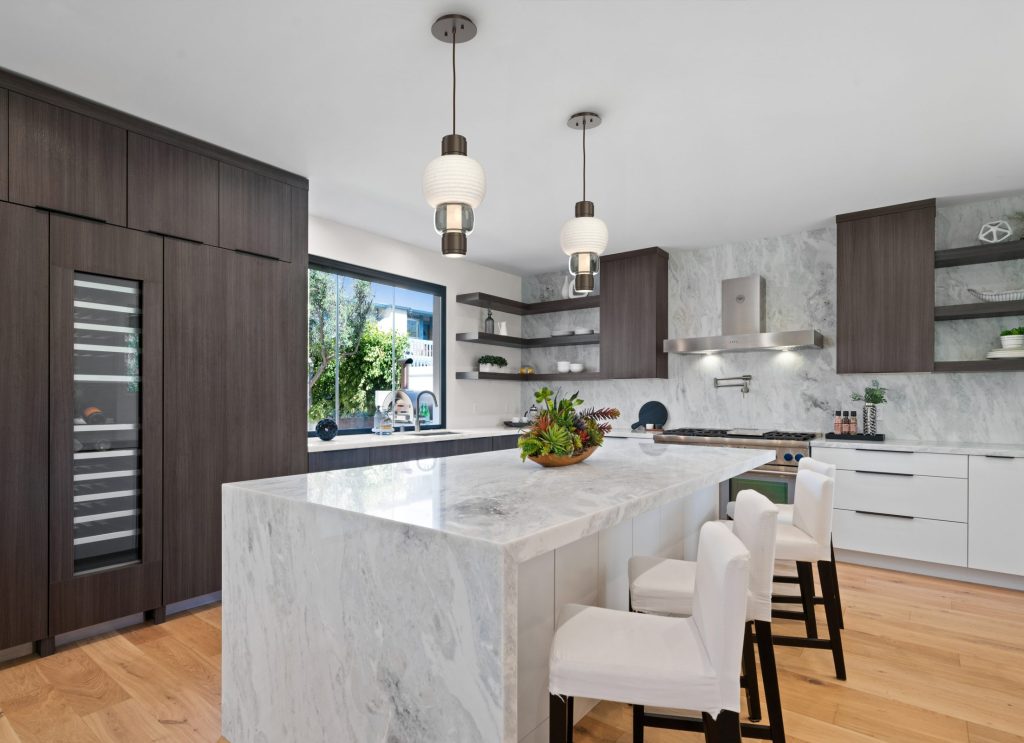
Material selection is a technical decision as much as an aesthetic one. Choosing lighting fixture materials shapes the emotional temperature of a room: metal adds structural hardness, glass increases visual openness, and stone brings luxury warmth. Understanding that emotional dimension is as important as knowing the durability specs.
For outdoor and high-humidity applications, the material hierarchy is clear. Solid brass, copper, and powder-coated aluminum outperform all other options in longevity. For high-end outdoor lighting that must last decades, the material choice at specification time is the single most consequential decision you will make.
For interior applications, match the material to the room’s function and the light quality you need:
- Living rooms and dining rooms: Artisan blown glass or alabaster for warm, diffused ambient light
- Task-oriented spaces (kitchens, offices): Matte powder-coated metal for focused, directional light that grounds the space
- Luxury bathrooms and spas: Artisan glass or onyx for sculptural impact; see Hammerton’s bathroom glass lighting work for reference
- Commercial hospitality spaces: Brass or bronze metalwork with artisan glass for durability and visual richness
- Budget-conscious residential: Powder-coated aluminum with polycarbonate diffusers offers strong performance at accessible price points
The most common mistake in material selection is prioritizing appearance without verifying the alloy grade or stone source. Demanding mill or quarry certificates when specifying custom brass, marble, or crystal is the professional standard. Without that documentation, you cannot guarantee consistency across a multi-fixture installation.
Key takeaways
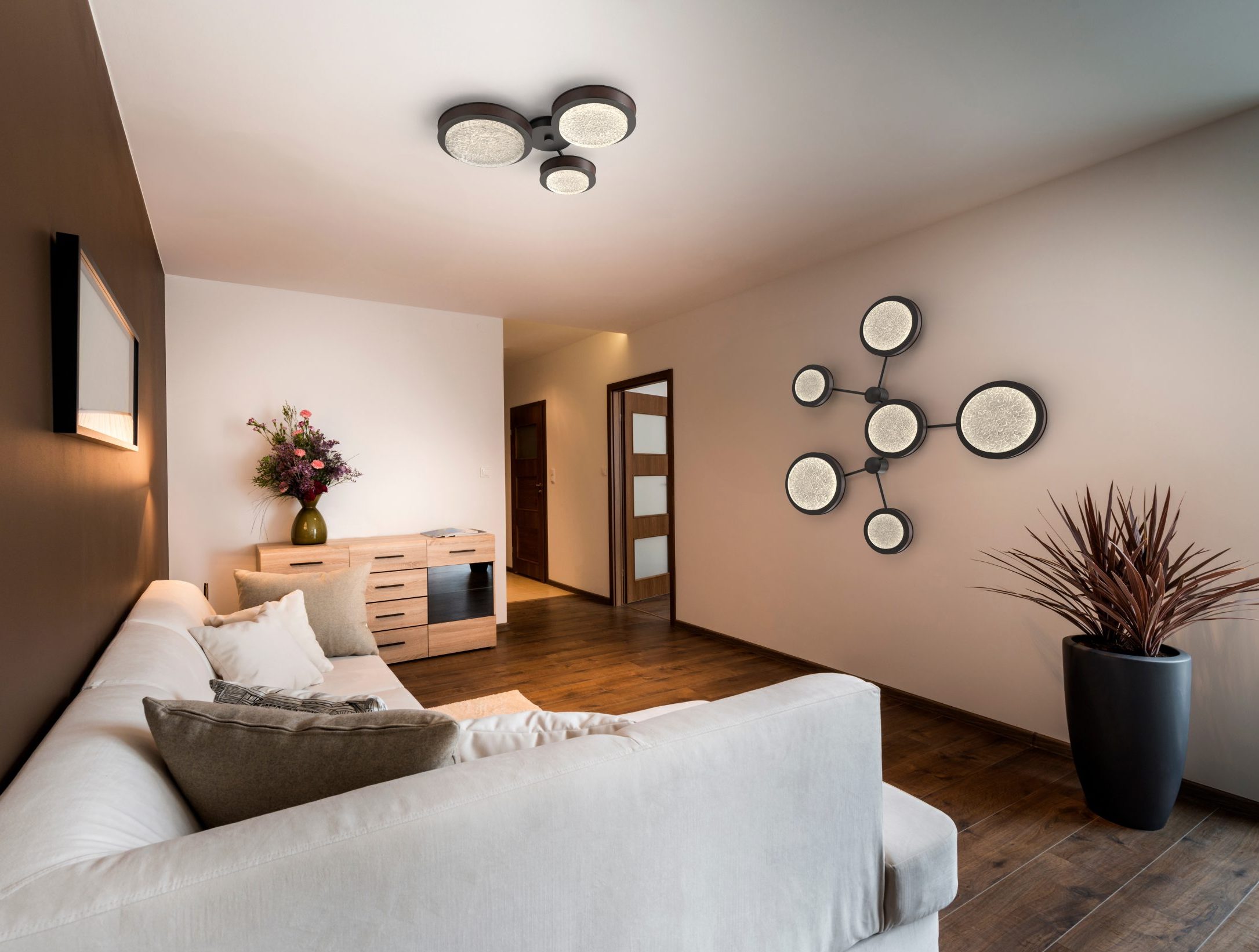
The best lighting fixture materials balance durability, light diffusion, and aesthetic character, and the right choice depends on the specific application, environment, and quality standard required.
| Point | Details |
|---|---|
| Metal grade matters | Specify C26000 or C36000 brass by alloy grade to guarantee finish consistency across fixtures. |
| Glass type drives light quality | Blown, opal, frosted, and seeded glass each produce distinct diffusion and ambient effects. |
| Stone requires trade-off decisions | Alabaster at 15mm transmits 35–45% of light; thicker slabs diffuse better but reduce brightness. |
| Polycarbonate beats acrylic outdoors | Polycarbonate holds shape to 129°C and resists yellowing far longer than PVC or acrylic. |
| Demand material certificates | Mill and quarry certificates for brass, marble, and crystal are the professional standard for custom work. |
Hammerton’s perspective on material specification
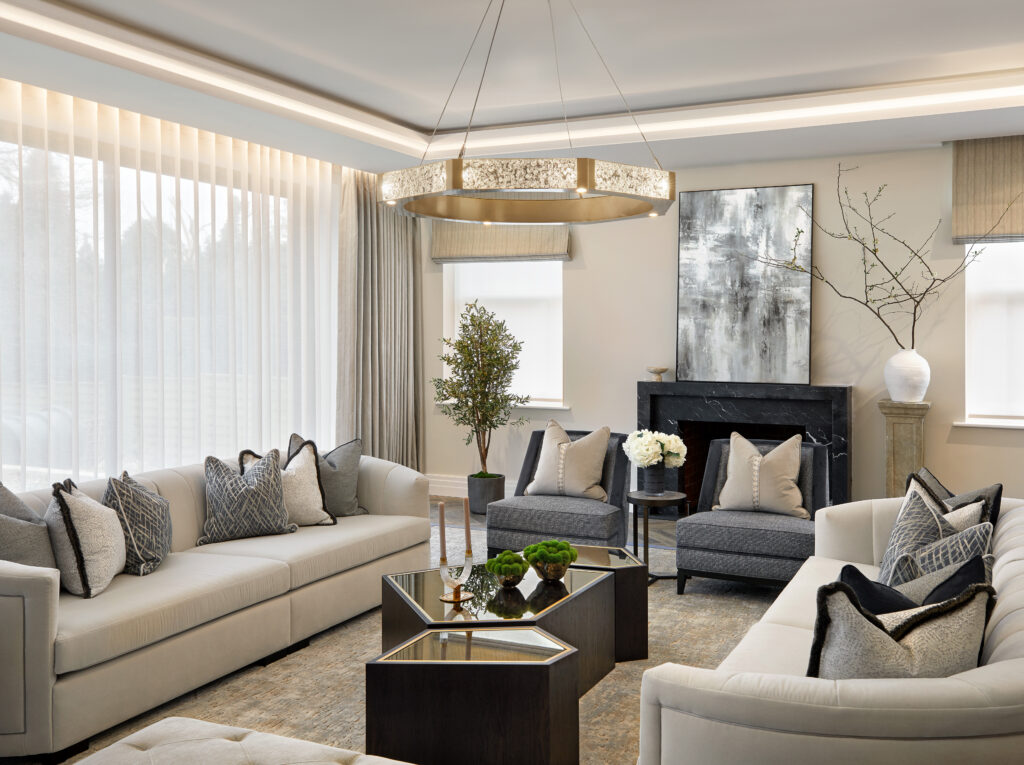
After three decades of building custom lighting in Salt Lake City, the single most consistent observation is this: designers who treat material selection as a purely visual decision end up with fixtures that disappoint on installation day. The brass that looked perfect in a sample photograph turns out to be a different alloy grade. The alabaster shade that appeared evenly luminous in a showroom develops hotspots under the actual LED source. These are not bad luck. They are the predictable result of skipping the technical verification step.
What the industry rarely discusses openly is the emotional temperature of materials. Metal introduces a kind of structural authority into a room. Glass opens it. Stone anchors it with a sense of permanence that no synthetic can replicate. When you understand that dynamic, you stop choosing materials based on trend boards and start choosing them based on what the room actually needs to feel like at 8 p.m. with the lights on.
The emerging materials worth watching are eco-resins and woven steel mesh, both of which Hammerton has worked with for years. Eco-resins allow organic forms that cast light in ways glass cannot, without the fragility. Woven mesh creates a layered, dimensional quality that shifts dramatically depending on the viewing angle. Neither material shows up on a standard lighting fixture materials list, but both are redefining what decorative lighting can do at the high end.
The practical advice is straightforward: always request material specifications in writing, test translucent materials before committing to a specification, and never assume that a beautiful sample represents the production run. The 2026 lighting trends point toward greater material authenticity, which means the market is moving in the right direction. But authenticity requires verification.
Explore artisan lighting materials
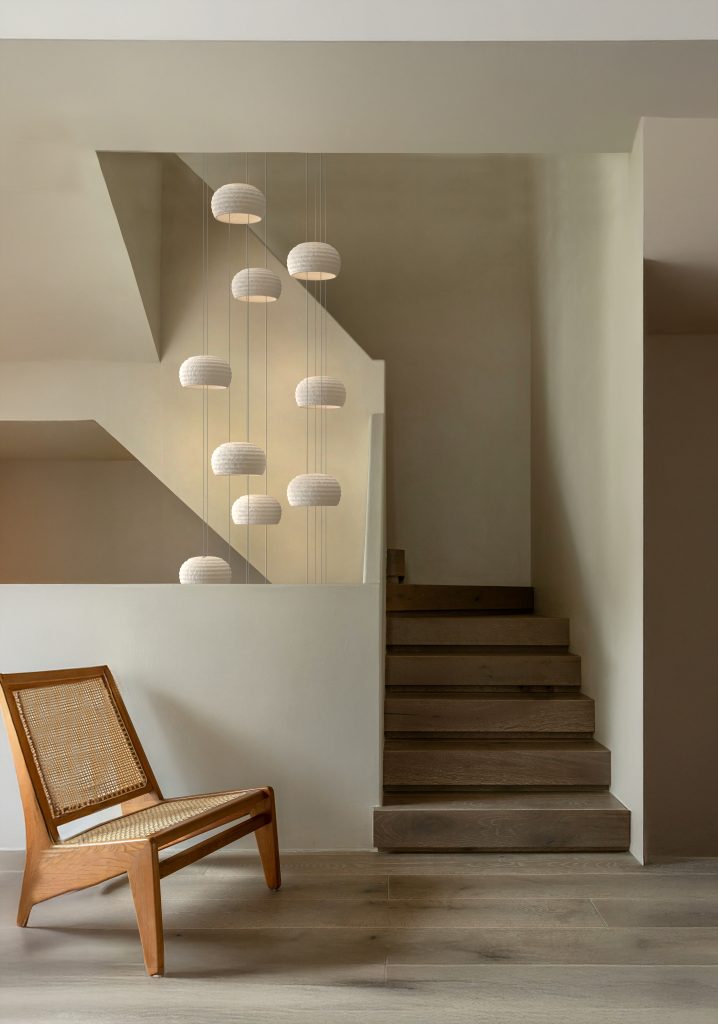
Hammerton Studio has spent over a quarter century working with the materials described in this guide, not as commodity inputs but as the defining character of each fixture. Every collection reflects a deliberate choice of glass type and finish, built by artisans in our 50,000 square foot Salt Lake City facility. For a broader view of what American artisan craftsmanship looks like across metal and glass, browse the full Hammerton Studio collection and see the material difference firsthand.
FAQ
What metals are best for outdoor lighting fixtures?
Solid brass, copper, and powder-coated aluminum are the top choices for outdoor fixtures. Brass and copper develop a protective patina; powder-coated aluminum resists weathering for thousands of hours without color change.
What is the difference between blown glass and opal glass in lighting?
Blown glass transmits light with organic variation and visible texture, while opal glass produces a dense, even diffusion that completely conceals the light source. The choice depends on whether you want visible character or a clean, uniform glow.
How does alabaster perform as a lighting material?
Alabaster at 15mm thickness transmits 35–45% of light and produces warm, soft diffusion. Thicker slabs improve diffusion evenness but reduce total light output, so the specification requires balancing both factors.
Why is polycarbonate preferred over acrylic for LED diffusers?
Polycarbonate resists impact and holds its shape at temperatures up to 129°C, making it far more durable during installation and in high-heat environments. Acrylic offers higher optical clarity but cracks more readily under pressure.
What is the most overlooked factor when choosing lighting fixture materials?
Material certification is the most overlooked factor. Demanding mill certificates for brass alloys and quarry documentation for stone ensures that the material you specify is the material you receive, which is critical for multi-fixture installations.