How to Specify a Chandelier for a Large-Scale Interior
Designing a grand space requires careful attention to every detail, but few design elements have the power to define a room like a chandelier. Understanding how to specify a chandelier for a large-scale interior involves much more than selecting a fixture that matches the aesthetic of a home. Scale, ceiling height, architectural context, lighting performance, and installation requirements all play a role in ensuring the final result feels intentional and balanced. Whether you’re an interior designer, architect, builder, or homeowner, knowing how to specify a chandelier for a large-scale interior can help transform a beautiful room into an unforgettable one.
How to Specify a Chandelier for a Large-Scale Interior: Start with the Architecture
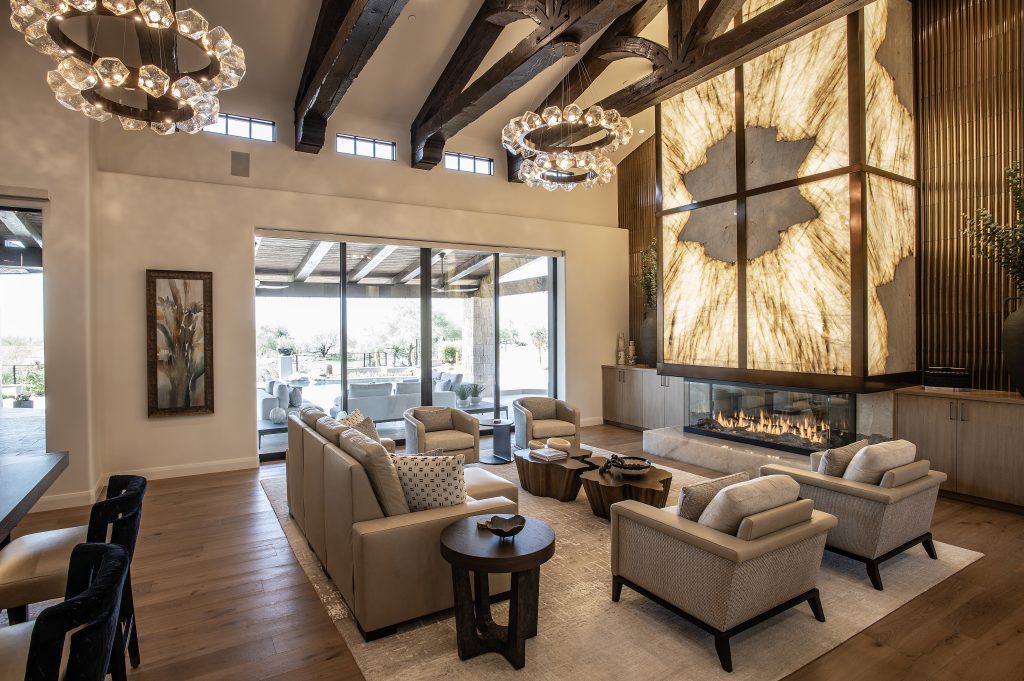
Before evaluating fixture styles or finishes, begin with the architecture itself. A chandelier should complement the scale and character of the space rather than compete with it.
Consider the room’s:
- Length and width
- Ceiling height
- Architectural features such as beams and staircases
- Natural light sources
- Sightlines from adjacent spaces
In luxury homes, chandeliers often serve as architectural focal points. The most successful installations feel integrated into the design of the home, creating a visual connection between the lighting and the surrounding architecture.
selecting the Proper fixture size
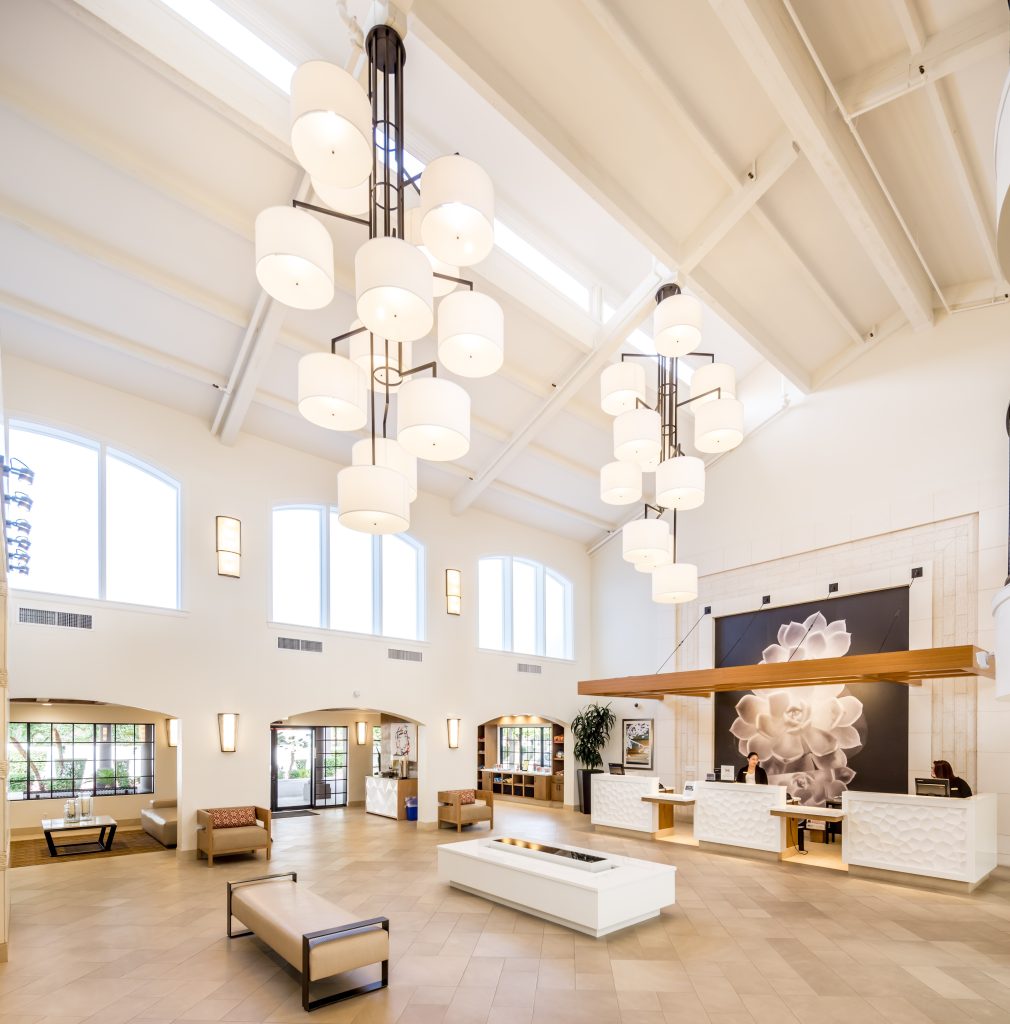
When considering how to specify a chandelier for a large-scale interior, size is one of the most important factors.
A commonly used industry guideline is to add the room’s length and width in feet and convert that number to inches to determine a starting chandelier diameter.
For example:
- 20′ x 24′ room = approximately 44″ chandelier diameter
- 24′ x 28′ room = approximately 52″ chandelier diameter
- 30′ x 30′ room = approximately 60″ chandelier diameter
While this formula provides a useful baseline, luxury residences often require larger fixtures than the calculations suggest. Rooms with soaring ceilings, open-concept layouts, and expansive square footage frequently benefit from chandeliers with greater visual presence and sculptural impact.
Visual Weight Matters More Than Scale Alone
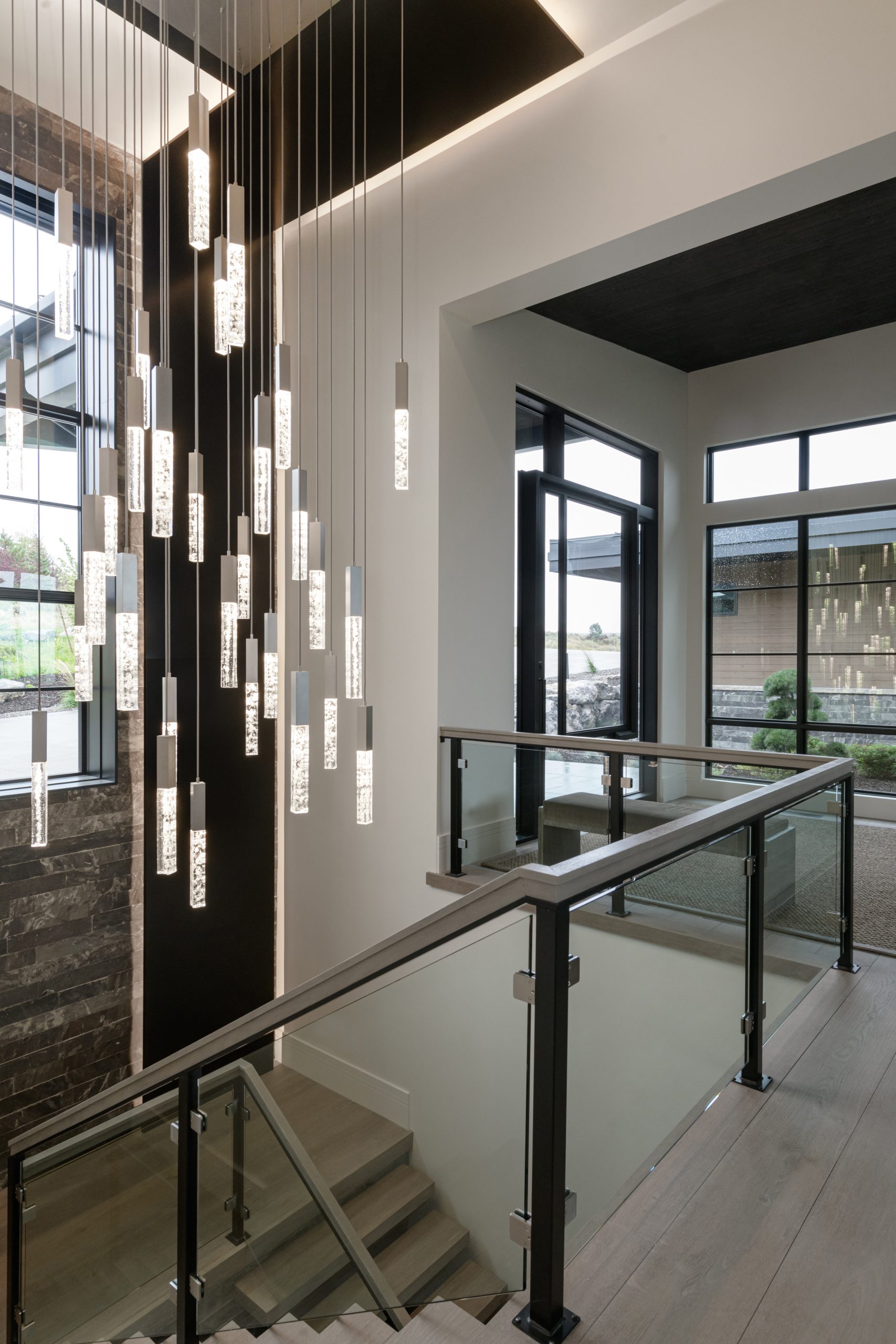
One of the biggest misconceptions in luxury lighting design is that bigger automatically means better.
Successful large-scale lighting projects focus on visual weight rather than size alone. A chandelier’s branching structure, layered composition, and overall form can dramatically influence how substantial it feels within a space.
Designers often specify:
- Multi-tier chandeliers
- Linear chandeliers
- Branch chandeliers
- Layered glass fixtures
- Custom configurations
These approaches allow the fixture to properly occupy the volume of a room without overwhelming the architecture.
How to calculate Correct Hanging Heights
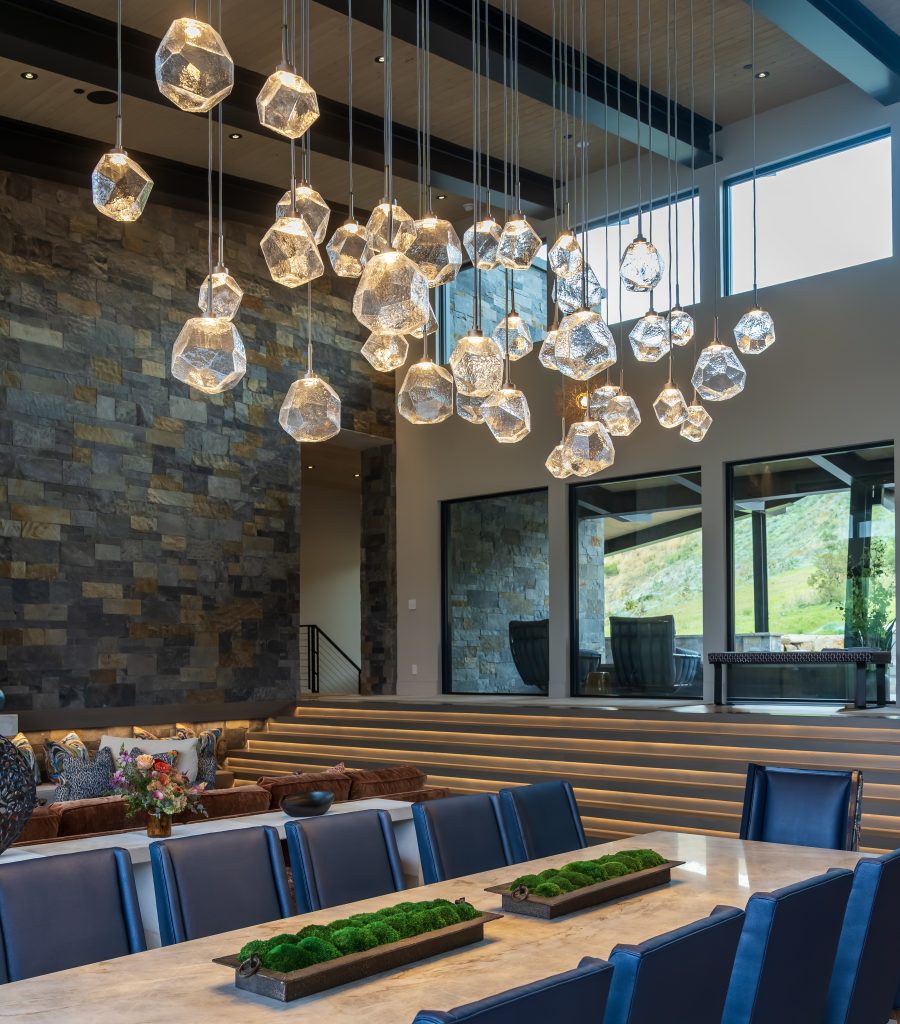
Another critical step in how to specify a chandelier for a large-scale interior is determining the appropriate fixture height and hanging position.
A common guideline is to allow 2.5″ to 3″ of fixture height for every foot of ceiling height.
For example:
- 12′ ceiling = 30″ to 36″ chandelier height
- 16′ ceiling = 40″ to 48″ chandelier height
- 20′ ceiling = 50″ to 60″ chandelier height
Designers should also verify clearances throughout the space.
Recommended clearances include:
- Minimum 7 feet from finished floor to the bottom of the chandelier in walkable areas
- 8 feet or more when possible in luxury residences
- 30″ to 36″ above dining tables
- 30″ to 36″ above kitchen islands
Proper hanging height ensures the chandelier feels proportionate while maintaining functionality and comfort.
How to Specify a large-scale Chandelier with Performance in Mind
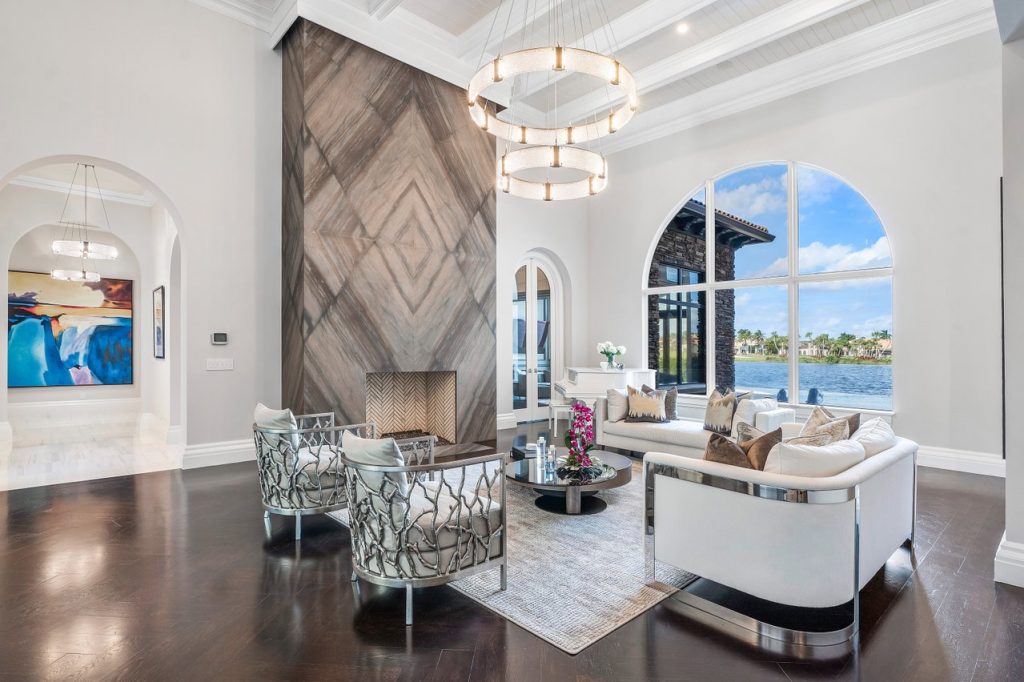
While aesthetics are important, lighting performance should never be overlooked.
In larger rooms, a chandelier typically serves as one component of a layered lighting plan. Recessed fixtures, sconces, accent lighting, and natural daylight all contribute to the overall experience.
When specifying a chandelier, consider:
- Light output requirements
- Dimming capabilities
- Color temperature consistency
- Lighting control integration
- Desired ambiance throughout the day
A beautiful fixture should not only make a statement but also contribute to the comfort and usability of the space.
Plan for Installation Early in the process
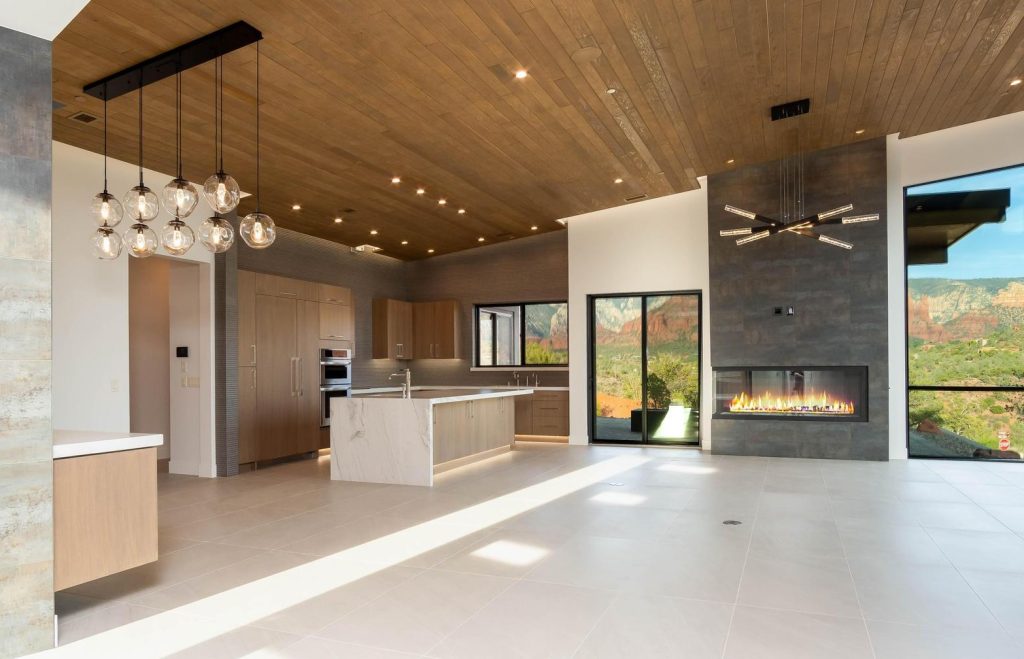
As fixture size increases, installation complexity often increases as well.
Many large chandeliers require:
- Reinforced junction boxes
- Structural support
- Specialized mounting systems
- Coordination with electricians and builders
- Access for lift equipment
Addressing these requirements during the design phase can help prevent delays and ensure a smooth installation process.
How Hammerton Solves Large-Scale Lighting Challenges
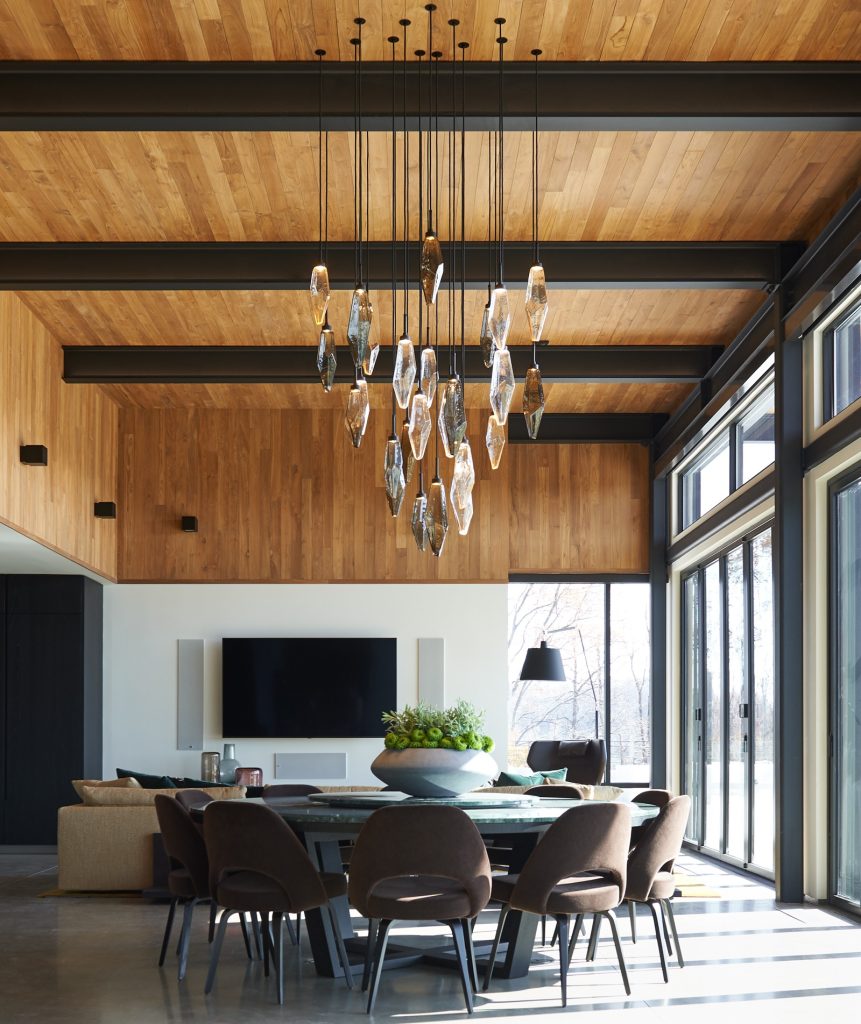
For more than three decades, Hammerton has collaborated with designers, architects, builders, and homeowners to create custom lighting solutions for luxury residences throughout North America.
As a leader in large-scale lighting, Hammerton offers extensive customization options that allow fixtures to be tailored to a project’s exact requirements. Dimensions, finishes, glass treatments, hanging lengths, and configurations can all be modified to achieve the ideal balance between architecture and illumination.
For projects requiring a large luxury chandelier, Hammerton’s design and engineering teams work closely with trade professionals to solve challenges related to scale, proportion, performance, and installation. The result is lighting that feels uniquely suited to the space it inhabits.
Ultimately, understanding how to specify a chandelier for a large-scale interior requires balancing architecture, scale, performance, and craftsmanship. By evaluating room dimensions, ceiling height, sightlines, lighting requirements, and installation logistics early in the design process, designers and homeowners can confidently select a fixture that enhances the architecture while creating a lasting visual impact.
The best chandeliers do more than illuminate a room. They become an integral part of the home’s design story, bringing together artistry, function, and architectural scale in a way few other elements can.
aRE YOU A TRADE PROFESSIONAL?
At Hammerton, we know what it takes to deliver exceptional design on tight timelines. Our Trade Account Program offers exclusive discounts, product access, and dedicated support to help you stay ahead.
Apply now and simplify your workflow from concept to completion.
FAQ:
How do you determine the right chandelier size for a large room?
A common guideline is to add the room’s length and width in feet and convert that number to inches to estimate chandelier diameter. For example, a 20′ x 24′ room would suggest a chandelier around 44 inches in diameter. In luxury homes with high ceilings or expansive open floor plans, designers often specify larger fixtures to achieve proper visual balance.
How high should a chandelier hang in a room with tall ceilings?
In walkable areas, the bottom of a chandelier should typically hang at least 7 feet above the finished floor, though 8 feet or more is often preferred in luxury residences. For dining rooms, chandeliers generally hang 30 to 36 inches above the tabletop.
What is considered large-scale lighting?
Large-scale lighting refers to fixtures designed for rooms with substantial square footage, high ceilings, or dramatic architectural volumes. These fixtures are intended to complement the scale of the space and often serve as a focal point within the overall design.
Can a chandelier be too small for a room?
Yes. One of the most common specification mistakes is selecting a chandelier that lacks the visual presence needed for the space. In large interiors, an undersized fixture can feel disconnected from the architecture and diminish the overall impact of the design.
Should a large chandelier be the room’s only light source?
Typically, no. The most effective lighting plans use a layered approach that combines decorative lighting, recessed lighting, wall sconces, and accent lighting. This creates balanced illumination while allowing for greater flexibility and control.
What should designers consider before specifying a large luxury chandelier?
Designers should evaluate room dimensions, ceiling height, sightlines, fixture weight, structural requirements, light output, and installation logistics. Considering these factors early helps ensure the chandelier functions as beautifully as it looks.
When should a custom chandelier be specified?
A custom chandelier is often the best solution when a space has unique architectural requirements, vaulted ceilings, oversized dimensions, or specific design goals that standard fixture sizes cannot accommodate. Customization allows designers to achieve the ideal scale, proportion, and visual impact.
Why choose Hammerton for large-scale lighting projects?
Hammerton specializes in handcrafted, customizable lighting solutions designed for luxury residential and hospitality environments. With extensive options for size, finish, materials, and configuration, Hammerton helps designers and homeowners create lighting that feels tailored to the architecture and scale of each project.