Custom Lighting Solutions: Transforming High-End Interiors
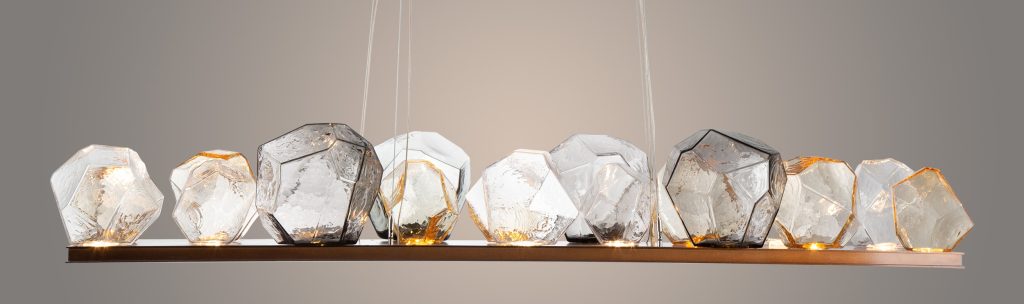
Choosing lighting for a luxury residence means navigating far more than fixture styles or finishes. High-end interiors now demand solutions that blend artistry with advanced technology, where lighting is as adaptable as it is beautiful. Modern custom lighting solutions deliver energy efficiency, quality, and seamless integration with design vision, using innovative LED options to offer both visual impact and precise control. Explore how these bespoke arrangements can transform every space into a unique expression of your style and needs.
Table of Contents
- What Custom Lighting Solutions Mean Today
- Key Lighting Types and Custom Options
- Materials, Artistry, and Bespoke Design
- How Customization Impacts Project Success
- Common Pitfalls and How to Avoid Them
Key Takeaways
| Point | Details |
|---|---|
| Custom Lighting Solutions Are Essential | Today’s lighting designs must address energy efficiency, occupant wellbeing, and design intentions for luxury spaces. |
| Effective Layering of Lighting Types | Combining ambient, task, accent, and decorative lighting enhances functionality and aesthetic appeal tailored to individual needs. |
| Bespoke Materials Are Crucial | Artistic materials and craftsmanship elevate the visual quality of fixtures, making them integral to the overall design narrative. |
| Avoid Common Pitfalls | Prevent overlighting and improper placement by planning strategically during the design phase to ensure optimal lighting experiences. |
What Custom Lighting Solutions Mean Today
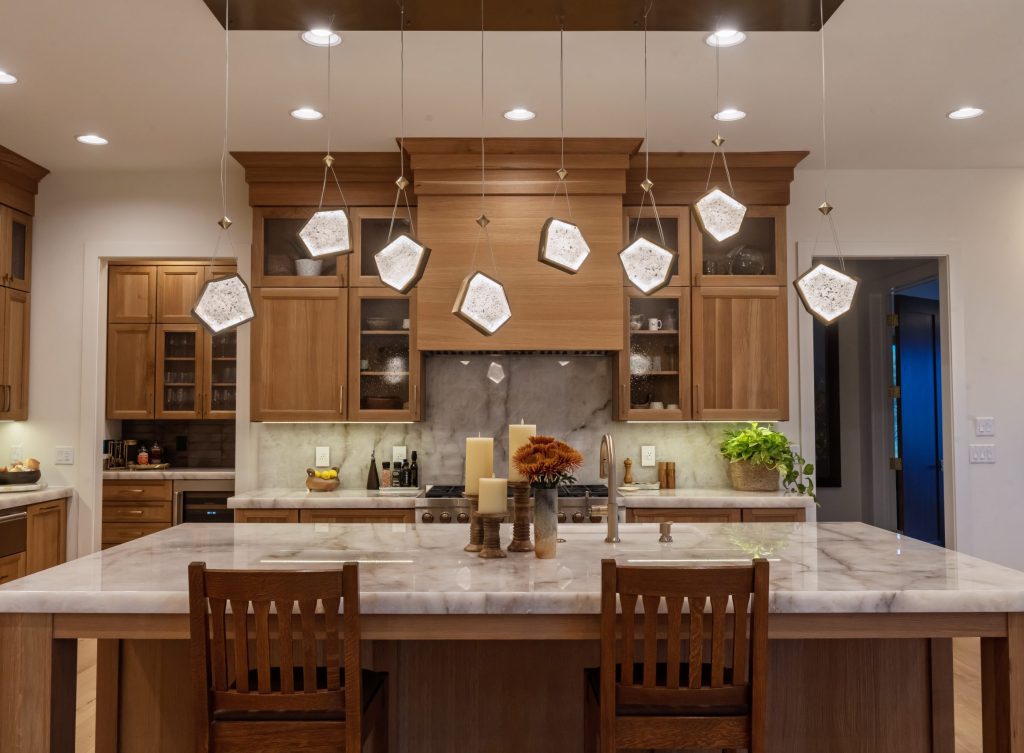
Custom lighting solutions in contemporary high-end interiors represent far more than selecting fixtures that look beautiful. Today, these solutions are fundamentally about creating tailored lighting environments that respond to specific spatial demands, occupant needs, and design intentions. The modern definition encompasses energy efficiency, quality of light, adaptive controls, and seamless integration with architectural vision. For luxury residential projects, this means moving beyond static lighting arrangements toward dynamic systems that enhance both the aesthetic experience and the functional purpose of every room.
The technological landscape has shifted dramatically with LED advancement. LED technology now enables designers to produce bespoke lighting arrangements that deliver precise color rendering, adjustable color temperatures, and unparalleled efficiency without compromising on design integrity. This flexibility allows you to match lighting to your specific vision whether you’re creating dramatic accent lighting in a gallery wall, subtle ambient layers in a living room, or vibrant task lighting in a kitchen. Contemporary custom solutions also address what research calls the “right light for specific applications,” meaning the lighting serves the room’s actual purpose while maintaining the sophisticated aesthetic you expect in a luxury home.
Beyond aesthetics, modern custom lighting solutions must balance energy efficiency, occupant wellbeing, and environmental responsibility. Advanced LED systems can be programmed to support natural circadian rhythms, reducing eye strain and enhancing comfort across different times of day. Integrated lighting controls allow you to adjust brightness, color, and mood from a single interface or through automated scheduling. Many high-end residential projects now incorporate custom home lighting that demonstrates how thoughtful design impacts overall interior quality, creating spaces that feel both luxurious and inherently sustainable. The convergence of artisan craftsmanship with intelligent lighting technology defines what sophisticated custom solutions deliver today.
Pro tip: Work with a designer who understands both the artistic qualities of lighting fixtures and the technical capabilities of modern LED systems, ensuring your custom solution is visually stunning and functionally optimized for how you actually live in your space.
Key Lighting Types and Custom Options
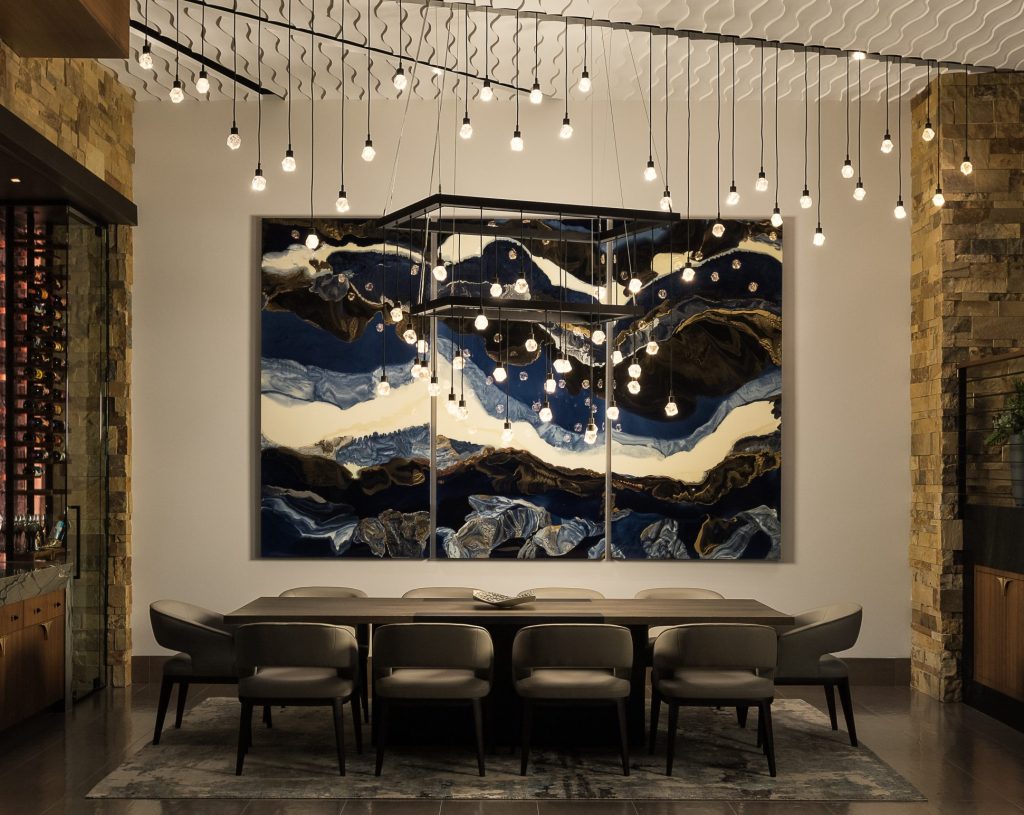
Effective custom lighting solutions layer multiple lighting types, each serving a distinct purpose within your space. Ambient lighting establishes the foundational illumination throughout a room, setting the overall mood and ensuring basic visibility. Task lighting delivers concentrated brightness exactly where you need it—above kitchen countertops, beside reading chairs, or within home offices. Accent lighting creates visual drama by highlighting architectural features, artwork, or sculptural elements that deserve attention. Finally, decorative lighting functions as both functional light source and design statement, transforming fixtures themselves into focal points. The custom aspect emerges from how you combine and calibrate these layers to match your specific lifestyle and spatial requirements.
The customization possibilities expand dramatically when you consider the variables within each lighting type. Layered lighting designs allow you to adjust color temperature from warm 2700K tones for intimate living spaces to cool 4000K options for focused work areas. Intensity control through dimmers or smart systems means your dining room lighting can shift from bright entertaining mode to soft, relaxed ambiance within seconds. Placement and fixture selection become deeply personal choices—a crystal chandelier in one home becomes a sculptural metalwork piece in another, reflecting the owner’s aesthetic vision while serving the same fundamental purpose. Advanced LED options now permit nearly unlimited color variations and programmable scheduling, meaning your morning kitchen light can energize with cooler tones while evening transitions to warmer, circadian-friendly wavelengths.
When designing custom lighting for high-end interiors, consider how each type interacts with your specific architectural features and daily routines. A residential project with soaring ceilings demands different accent lighting strategies than one with intimate room proportions. Designer lighting choices that combine artisan craftsmanship with technical precision ensure your custom solution feels both intentional and sophisticated. The most successful custom lighting arrangements rarely feel designed at all—they simply feel right, responding invisibly to how light naturally enhances the space throughout the day and evening. This seamless integration of form, function, and customization is what separates thoughtful custom solutions from standard fixture selections.
Pro tip: Map out your daily activities room by room and note the lighting you actually need at different times—morning alertness, afternoon work focus, evening relaxation—then build your custom layers to support these real-life transitions rather than installing fixtures that look good but don’t serve your actual needs.
Here’s a summary of key lighting types and how customization enhances their effectiveness:
| Lighting Type | Primary Purpose | Customization Advantage |
|---|---|---|
| Ambient Lighting | General room illumination | Adjust mood, match ceiling height |
| Task Lighting | Focused work areas | Tuned intensity, precise placement |
| Accent Lighting | Highlight design features | Dynamic control, targeted effects |
| Decorative Lighting | Statement fixture design | Unique materials, custom finishes |
Materials, Artistry, and Bespoke Design
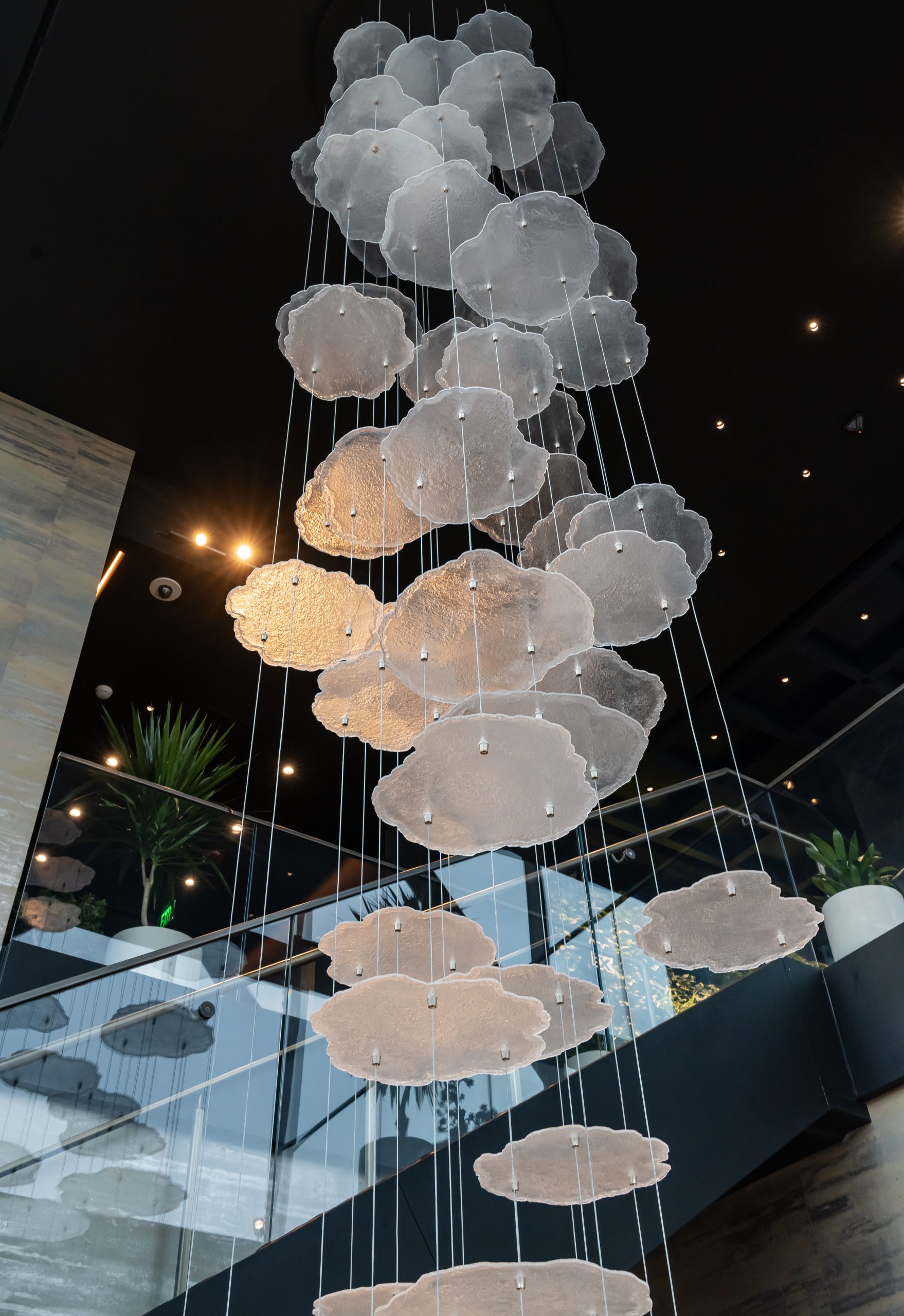
The distinction between standard lighting and truly custom solutions becomes most apparent when you examine the materials and craftsmanship involved. Bespoke lighting design merges artistic expression with technical precision, creating fixtures that function as both light sources and sculptural statements. Unlike mass-produced alternatives selected from catalogs, custom lighting solutions begin with intentional material choices that reflect your interior’s palette, architectural style, and design vision. Whether incorporating hand-blown glass, forged metals, woven mesh, or combinations that bridge disparate styles, the material selection becomes part of the fixture’s narrative rather than an afterthought.
The artistry in bespoke design lies in how materials are manipulated to create specific visual effects and ambient qualities. Mixing materials in lighting designs allows designers to balance multiple aesthetic languages within a single space, creating unexpected sophistication through thoughtful contrast. A fixture might combine warm brass elements with cool frosted glass or pair raw steel with soft linen, producing visual interest that engages viewers from different distances and angles. The customization extends to finishes as well—matte versus polished surfaces, patinas, textural details—each decision affecting how light behaves and how the fixture interacts with surrounding decor. This level of material consideration transforms lighting from utilitarian necessity into a primary design element that anchors a room’s aesthetic identity.
Bespoke design fundamentally changes the relationship between fixture and space. Rather than retrofitting your interior around available products, custom solutions begin with your specific spatial requirements and aesthetic aspirations. Designers work collaboratively with artisans and clients to determine proportions, finishes, and lighting performance characteristics that enhance your architecture rather than compete with it. A dramatic entry hall might demand a sculptural chandelier that draws the eye upward, while a residential library calls for intimate sconces that complement rich wood tones and existing decor. Advanced techniques ensure the lighting technology integrates seamlessly within the artistic vision, creating fixtures that seem inevitable within their spaces rather than added afterward.
Pro tip: Gather material samples from your project space—paint chips, fabric swatches, wood samples—and review potential fixture materials under your actual lighting conditions, since how brass, glass, or textiles appear in a showroom may differ significantly from how they perform in your home.
This table compares standard lighting to bespoke custom solutions in luxury interiors:
| Aspect | Standard Lighting | Bespoke Custom Lighting |
|---|---|---|
| Material Quality | Mass-produced, generic | Artisanal, hand-selected |
| Fixture Uniqueness | Common designs | One-of-a-kind creations |
| Integration Level | Minimal, out-of-box | Tailored for each space |
| Collaboration Process | Retail-driven | Designer-artisan-client team |
How Customization Impacts Project Success
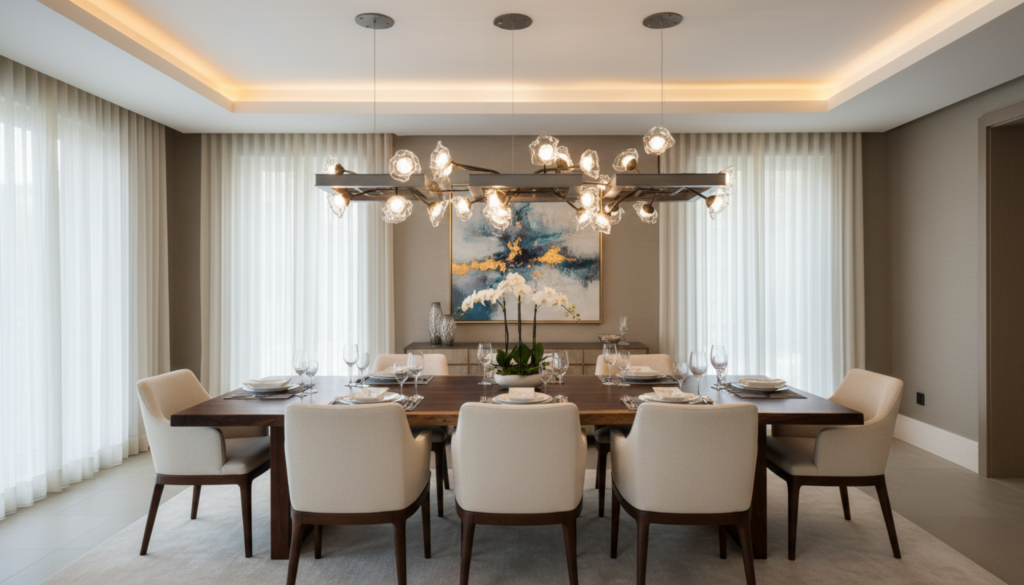
Custom lighting solutions fundamentally shift how design projects perform, delivering outcomes that standard fixture selections simply cannot match. When lighting is tailored to your specific space, usage patterns, and architectural intent, every element works in concert rather than compromise. The difference becomes immediately apparent in how rooms feel to occupants. A custom-designed lighting scheme recognizes that your master bedroom has different requirements than your neighbor’s, that your home office demands different performance characteristics than a showroom setting, and that your entertaining spaces need flexibility that fixed installations lack. This alignment between design intent and functional reality transforms lighting from an afterthought into a strategic project component that influences how spaces are experienced daily.
The measurable benefits of customization extend far beyond aesthetics. Layered lighting approaches that balance ambient, task, and accent elements optimize energy consumption while maintaining superior light quality and occupant comfort. When fixtures are positioned and scaled for your specific architecture, they illuminate efficiently without wasteful spillage or dark zones requiring supplemental lighting. Automated systems integrated with custom designs mean you can adjust brightness and color temperature based on time of day, activity, or mood, reducing energy use while enhancing functionality. Projects incorporating these tailored solutions often achieve measurable reductions in energy costs alongside improved visual comfort and productivity. This dual benefit makes custom lighting a practical investment rather than a luxury expense.
Beyond performance metrics, custom lighting solutions elevate perceived project quality and client satisfaction. Thoughtfully designed fixtures become conversation pieces, differentiating your interior from similar homes and contributing meaningfully to property value. When lighting feels intentional and perfectly scaled for its space, the entire interior reads as more sophisticated and cohesive. Designers working with custom solutions report higher client satisfaction because the final result reflects actual needs rather than available inventory. Projects succeed when every design decision serves a purpose, and customized lighting demonstrates that commitment to excellence throughout your space. The confidence that comes from knowing your lighting was designed specifically for your home, your lifestyle, and your vision represents the true measure of project success.
Pro tip: Request a lighting schedule from your designer that documents fixture specifications, placement, dimming capabilities, and intended use for each room, then reference it during installation to ensure the finished project matches the designed vision before making final payments.
Common Pitfalls and How to Avoid Them
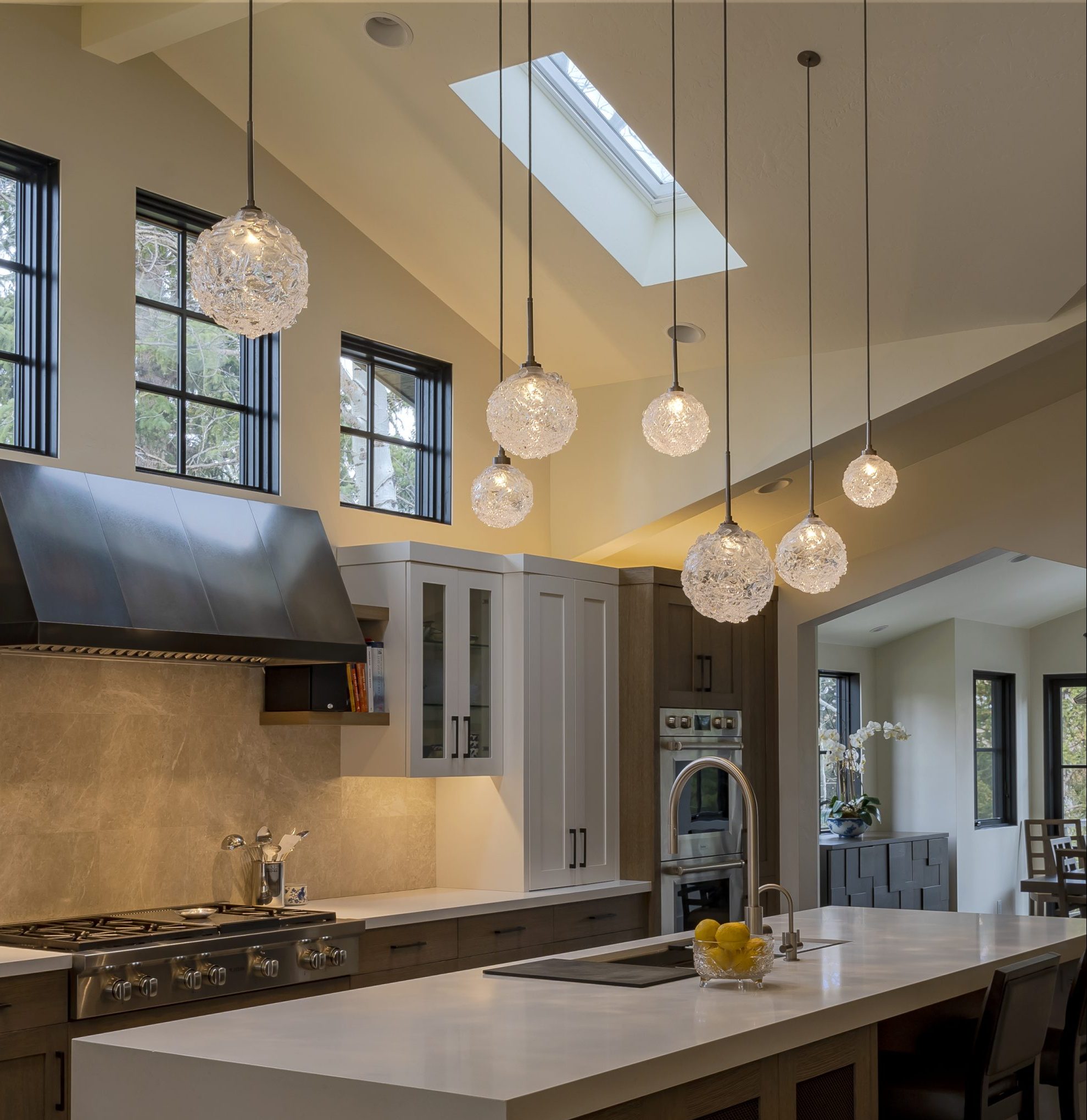
Many high-end residential projects stumble not from inadequate budgets or lack of vision, but from preventable lighting mistakes that compromise both aesthetics and functionality. Over-lighting ranks as the most pervasive error, where designers or homeowners install far more fixtures than necessary, creating harsh, uncomfortable environments that waste energy and feel institutional rather than residential. The instinct to ensure adequate brightness often backfires, producing spaces that feel exposed and clinical. Equally problematic is poor fixture placement that creates unexpected shadows, glare on polished surfaces, or light spilling into areas where it serves no purpose. These mistakes compound because they cannot be easily corrected after installation. A chandelier hung too high might miss illuminating the dining table effectively. Recessed lights positioned without accounting for furniture placement may create dark zones precisely where task lighting is needed.
Glare represents another critical consideration that luxury homeowners frequently underestimate. Proper fixture types and placement prevent harsh reflections on artwork, mirrors, and polished surfaces that diminish visual comfort and damage the intended ambiance. When light reflects directly into your eyes or bounces harshly off surfaces, it creates fatigue rather than sophistication. This occurs when designers fail to account for viewing angles, fixture heights relative to seating areas, or the reflective qualities of materials in your specific space. The solution involves considering how light interacts with your actual architecture and furnishings during the design phase, not attempting corrections after installation.
Control systems offer surprising protection against lighting mistakes. Smart dimmers, motion sensors, and automated scheduling allow you to adjust lighting intensity based on time of day, activity, and mood, essentially correcting overlighting tendencies through flexibility. Rather than relying on fixed brightness levels, layered designs with independent controls for different lighting types let you dial in precisely what each space requires. Many homeowners discover their initially dim custom fixtures actually perform brilliantly with proper dimming controls, whereas static installations force compromises. Additionally, thoughtful control integration prevents light pollution and energy waste by ensuring lights operate only when and where needed. Discuss control strategies during design phases rather than treating them as afterthoughts, as this fundamental decision shapes how successfully your custom lighting functions throughout your home.
Pro tip: Request your designer provide a lighting mock-up or render showing fixture placement relative to furniture arrangements and sight lines, then walk through the space at different times of day imagining how light will behave before committing to final installation locations.
Elevate Your Space with Custom Lighting Solutions
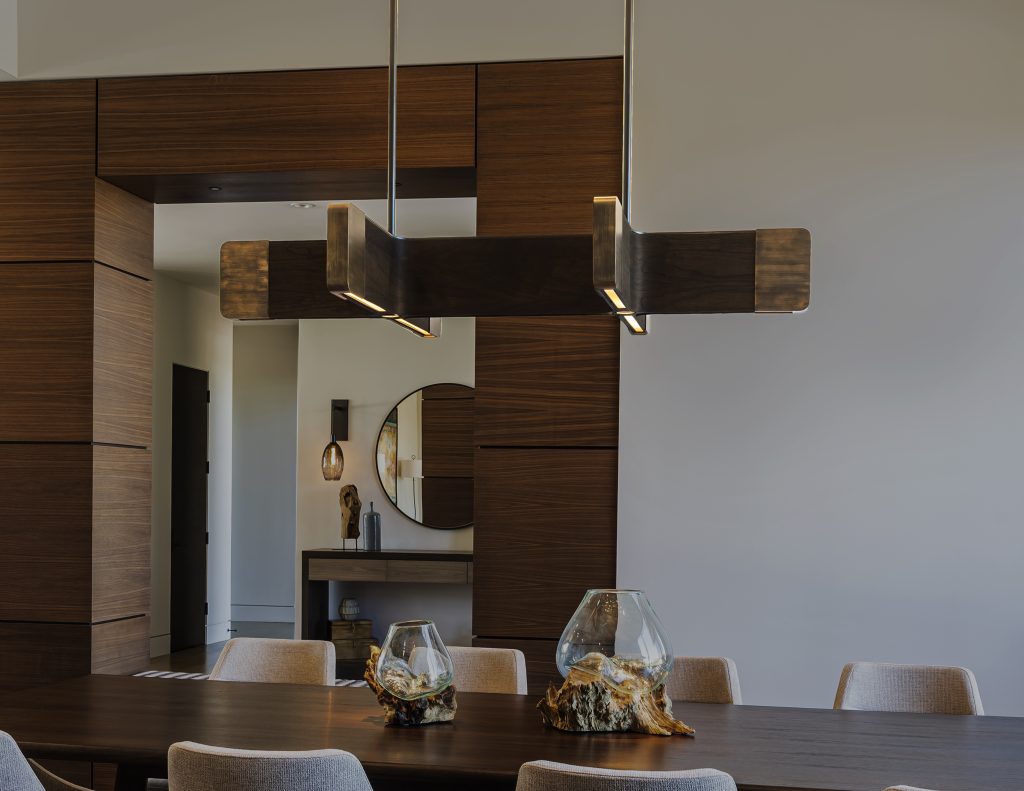
The article highlights a common challenge faced by luxury homeowners and designers today: balancing exquisite aesthetics with precise functionality in lighting design. You want lighting systems that adapt to your lifestyle, complement your architecture, and enhance wellbeing through thoughtful layering, artisan materials, and intelligent controls. At Hammerton Studio, we understand these goals deeply because our approach mirrors this very ethos — marrying American artisan craftsmanship with cutting-edge custom lighting technologies tailored exactly to your space.
Our craftsmanship goes beyond ordinary fixtures. We collaborate closely with you and your designers to create distinctive lighting that feels inevitable in your home. Whether you want layered ambient and task lighting, dynamic accent pieces, or bespoke materials tuned to your palette, Hammerton Studio brings unmatched design value and rapid delivery that aligns perfectly with your project timelines. Discover how our handcrafted artistry and flexible customization can transform your interiors into functional works of art by visiting Hammerton Studio today.
Embrace lighting that not only beautifies but truly performs according to your needs:
- Tailored scale and proportion calibrated to your architecture
- Artisan materials and finishes bridging style and function
- Advanced control integration supporting mood and circadian rhythms
Explore Hammerton Studio’s collections and custom capabilities
Unlock the artistry behind our custom lighting solutions
Experience the perfect marriage of design and craftsmanship
Ready to transform your interiors with lighting that responds invisibly to your lifestyle?
Start your journey toward sophisticated, custom lighting solutions today by visiting our website. Connect with the Hammerton team to discuss how your unique space can benefit from the craftsmanship and innovation that only Hammerton Studio provides. Don’t settle for ordinary — create lighting that captivates and performs perfectly now.
Frequently Asked Questions
What are the main benefits of custom lighting solutions in high-end interiors?
Custom lighting solutions enhance aesthetic appeal and functional purpose by creating tailored environments that meet specific spatial demands and occupant needs. They also optimize energy efficiency, support occupant well-being, and integrate seamlessly with architectural vision.
How do advanced LED systems contribute to custom lighting design?
Advanced LED systems allow designers to create bespoke lighting arrangements with adjustable color temperatures and precise color rendering, enabling them to match the lighting to specific room functions and atmospheres without compromising design integrity.
What are the key types of lighting used in custom solutions?
Custom lighting solutions typically incorporate four key types: ambient lighting for general illumination, task lighting for focused work, accent lighting to highlight design features, and decorative lighting that serves as both functional fixtures and design statements.
How can homeowner practices help improve lighting effectiveness?
Homeowners can map their daily activities by noting the lighting needed at different times, such as morning alertness or evening relaxation. This approach ensures that the custom lighting layers support real-life transitions instead of merely focusing on aesthetics.
ARE YOU A TRADE PROFESSIONAL?
At Hammerton, we know what it takes to deliver exceptional design on tight timelines. Our Trade Account Program offers exclusive discounts, product access, and dedicated support to help you stay ahead.
APPLY NOW and simplify your workflow from concept to completion.
FAQ:
Q: What types of customization does Hammerton Studio offer for luxury projects? A: Hammerton can modify existing designs or build entirely new fixtures from scratch, including custom sizing, finishes, glass types, and configurations.
Q: How does custom lighting differ from standard decorative lighting in high-end interiors? A: Custom lighting is designed to integrate with the architecture and technology of a specific space, blending artistry with smart controls, dimming compatibility, and unique material combinations.
Q: How do I start the custom lighting process with Hammerton Studio? A: You can reach out directly to their team or use the project planner tool on their website to submit the scope of your project and get guidance from a lighting specialist.