Custom Home Lighting Fixtures: Understanding Impact
Custom lighting is changing the way spaces feel and function. Most people just think of light bulbs and switches, but the real magic starts when you realize custom home lighting fixtures can be engineered so precisely that they can adjust color temperature, mood, and even energy efficiency on the fly. In fact, advanced custom lighting can include programmable spectral tuning and personalized controls for each room. That means lighting is no longer just about seeing in the dark. It is about creating environments that actually shape your mood and wellbeing in ways that off-the-shelf fixtures never could.
Table of Contents
- What Is Custom Lighting And Why Is It Important?
- The Role Of Design In Custom Lighting Solutions
- Understanding Different Types Of Custom Lighting
- How Custom Lighting Enhances Home Aesthetics And Functionality
- Exploring The Future Trends In Custom Lighting
Quick Summary
| Takeaway | Explanation |
|---|---|
| Custom lighting enhances spatial aesthetics. | It transforms environments, providing depth and visual interest while highlighting architectural features. |
| Strategically designed fixtures improve functionality. | They optimize visual comfort and meet task-specific lighting needs, enhancing user experiences in various spaces. |
| Innovative technology drives custom lighting solutions. | Advanced systems such as LED and smart lighting allow for tailored illumination and energy efficiency, revolutionizing traditional approaches. |
| Emotional impact is a key design element. | Custom lighting creates atmospheres that influence human emotions, thereby enriching experiences in a space. |
| Future trends focus on sustainability and wellness. | Emerging designs prioritize energy efficiency and human-centric features that mimic natural light to enhance well-being. |
What is Custom Lighting and Why Is It Important?
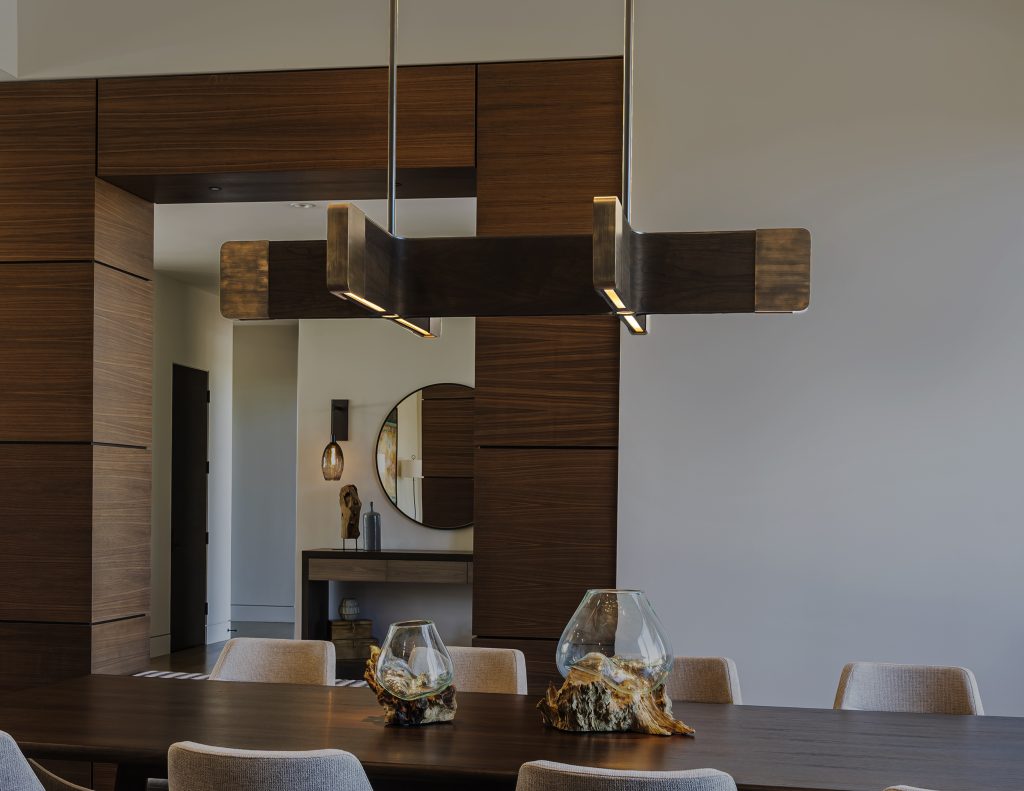
Custom home lighting fixtures represent a sophisticated approach to illumination that transcends traditional lighting solutions by offering personalized, meticulously crafted design experiences tailored to specific architectural spaces and aesthetic preferences. Unlike standard off-the-shelf fixtures, custom lighting transforms environments through precision engineering and artistic vision.
The Fundamental Definition of Custom Lighting
Custom lighting is an intricate design process where lighting fixtures are specifically created to meet unique spatial requirements, architectural contexts, and individual stylistic expressions. Research from the U.S. Department of Energy reveals that advanced custom lighting methodologies now integrate multiple design considerations:
- Precise beam distribution optimization
- Energy efficiency considerations
- Tailored mechanical and thermal engineering
- Specialized optical configurations
The Strategic Importance of Custom Lighting
The profound significance of custom lighting extends far beyond mere illumination. It serves multiple critical functions within design ecosystems:
- Architectural Enhancement: Custom lighting acts as a sculptural element that defines spatial character and visual narrative
- Functional Performance: Strategically designed fixtures optimize visual comfort and task-specific illumination requirements
- Emotional Impact: Carefully crafted lighting creates atmospheric experiences that influence human perception and emotional responses
Moreover, custom lighting allows designers and homeowners to read more about innovative lighting design approaches that challenge traditional design conventions, enabling truly transformative spatial experiences that reflect individual creativity and design sophistication.
The Role of Design in Custom Lighting Solutions

Design represents the foundational framework that transforms custom lighting from mere functional illumination into an artful, purposeful architectural element. Beyond simply selecting attractive fixtures, design in custom lighting involves a sophisticated orchestration of aesthetic vision, technological innovation, and spatial understanding.
Architectural Integration and Spatial Dialogue
Custom lighting design serves as a critical conversation between architectural space and illumination. Each fixture must harmonize with the existing architectural language, responding to structural geometries, material textures, and spatial rhythms. Successful lighting design requires an integrative approach that considers multiple interdependent factors:
- Visual comfort and aesthetic appeal
- Energy efficiency requirements
- Safety and functional performance
- Interaction with other architectural systems
The Artistic and Technical Dimensions of Lighting Design
Design in custom lighting transcends pure aesthetics, embodying a complex interplay between artistic expression and technical precision. Designers must understand light’s intrinsic properties material interactions, and psychological impacts. Key design considerations include:
- Light Quality: Managing color temperature, intensity, and distribution
- Material Interaction: Understanding how light reveals and transforms surface characteristics
- Emotional Resonance: Creating atmospheric experiences that evoke specific emotional responses
Professional designers increasingly recognize that our approach to mountain home lighting design demonstrates how thoughtful design can dramatically transform spatial experiences, turning illumination into a narrative of architectural storytelling.
Ultimately, design in custom lighting solutions represents a delicate balance between technological capability, artistic vision, and human experience a nuanced craft that elevates spaces from merely functional to genuinely extraordinary.
Understanding Different Types of Custom Lighting
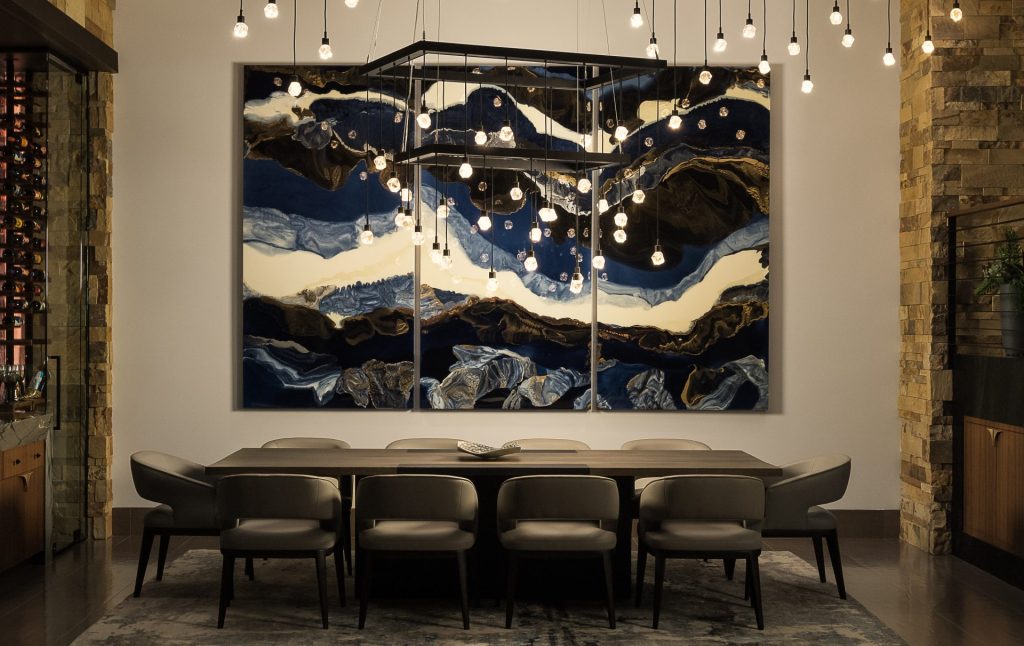
Custom lighting encompasses a rich spectrum of design approaches, each offering unique capabilities to transform spatial experiences through strategic illumination. The diversity of custom lighting solutions reflects the complex interplay between technological innovation, aesthetic vision, and functional requirements.
The table below summarizes the main categories of custom lighting and briefly describes their purpose, helping readers quickly compare their roles in lighting design.
| Custom Lighting Type | Primary Purpose |
|---|---|
| Ambient Lighting | Provides overall, generalized illumination for comfort |
| Task Lighting | Delivers focused light for specific functional activities |
| Accent Lighting | Highlights architectural features or creates drama |
| Decorative Lighting | Functions as sculptural pieces for aesthetic enhancement |
Categorization by Illumination Purpose
Research from the National Kitchen & Bath Association reveals multiple functional categories of custom lighting that architects and designers strategically deploy:
- Ambient Lighting: Provides overall, generalized illumination creating a comfortable baseline environment
- Task Lighting: Focused illumination designed for specific functional activities like reading or cooking
- Accent Lighting: Highlights architectural features, artwork, or creates dramatic visual interest
- Decorative Lighting: Serves as sculptural elements that contribute aesthetic value beyond pure illumination
Technological Foundations of Custom Lighting
Modern custom lighting solutions integrate sophisticated technologies that extend far beyond traditional illumination paradigms. Technological diversity allows designers unprecedented flexibility in creating immersive spatial experiences:
- LED systems offering precise color temperature manipulation
- Smart lighting with programmable intensity and color transitions
- Integrated fixtures that blend seamlessly with architectural surfaces
- Innovative approaches to working with customer specified materials that expand design possibilities
Beyond mere functionality, custom lighting represents a nuanced dialogue between technological capability and artistic expression transforming spaces through intelligent, purposeful illumination.
How Custom Lighting Enhances Home Aesthetics and Functionality
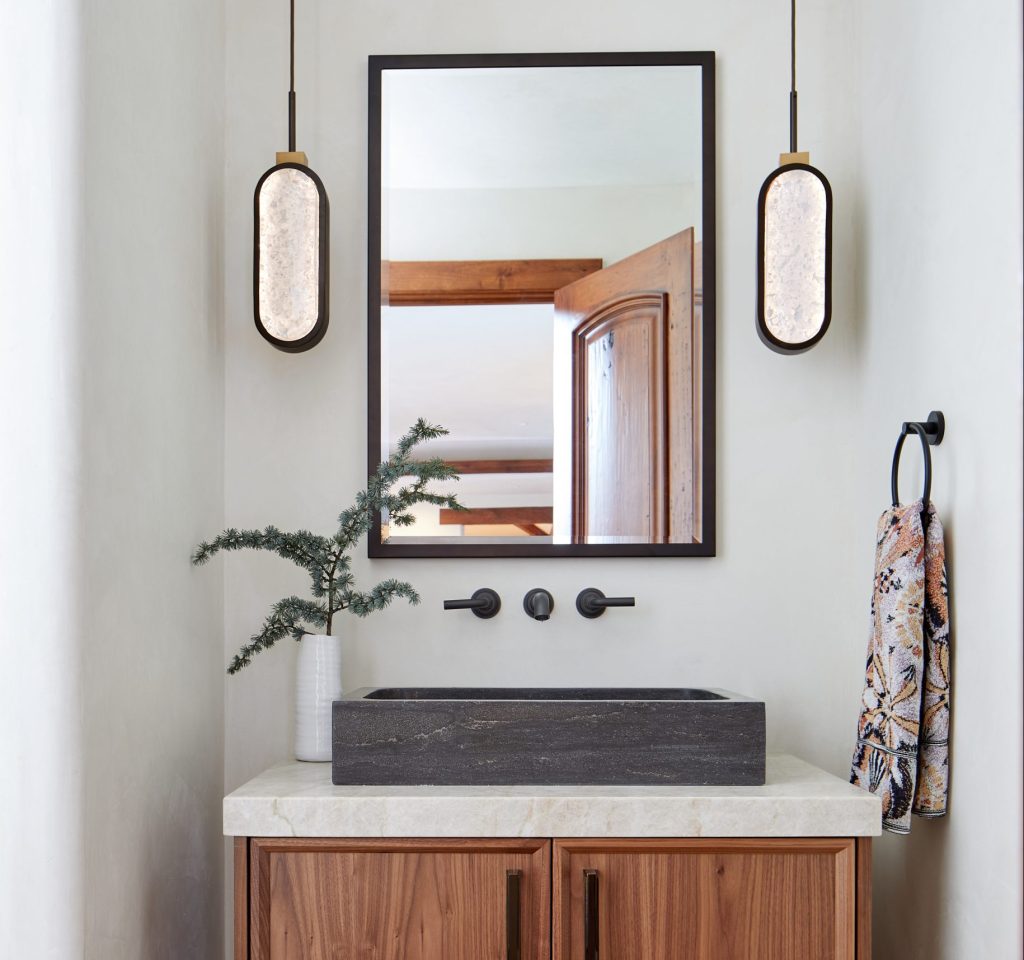
Custom lighting transcends traditional illumination, emerging as a powerful design element that simultaneously elevates aesthetic appeal and functional performance within residential spaces. By strategically integrating sophisticated lighting solutions, homeowners can transform ordinary environments into extraordinary, multisensory experiences.
Aesthetic Transformation through Illumination
Light serves as an architectural medium, sculpting spatial perceptions and emotional atmospheres. Aesthetic enhancement through custom home lighting fixtures involves nuanced manipulation of visual elements:
- Creating depth and dimensionality within architectural spaces
- Highlighting architectural features and design details
- Establishing visual hierarchy and focal points
- Modulating emotional responses through strategic illumination
According to Marymount University research, controlling lighting levels enables homeowners to adapt spaces dynamically, transitioning seamlessly between energetic and relaxing environments through intelligent illumination strategies.
Functional Performance and Technological Innovation
Beyond aesthetic considerations, custom lighting delivers remarkable functional advantages. Modern lighting solutions integrate advanced technologies that enhance living experiences:
- Precision Illumination: Targeted lighting solutions for specific tasks and activities
- Energy Efficiency: Smart systems reducing overall energy consumption
- Adaptive Controls: Programmable environments responding to occupant needs
- Wellness Integration: Lighting that supports circadian rhythms and mental well-being
Professional designers increasingly recognize the importance of perfecting ambient lighting as a critical strategy for creating harmonious, responsive living environments that seamlessly blend technological innovation with human-centric design principles.
Ultimately, custom home lighting fixtures represent a sophisticated intersection of art, technology, and human experience transforming residential spaces from mere physical structures into dynamic, emotionally resonant environments.
To clarify the unique benefits that custom lighting brings to home spaces, the following table contrasts how custom lighting addresses both aesthetics and functionality.
| Enhancement Area | Custom Lighting Contribution |
|---|---|
| Aesthetic | Creates depth, highlights features, and sets visual hierarchies |
| Functional | Provides targeted illumination, boosts energy efficiency, and enables adaptability |
| Emotional | Modulates moods and fosters personalized atmospheres |
| Wellness | Supports circadian rhythms and mental well-being |
Exploring the Future Trends in Custom Lighting

The landscape of custom lighting is undergoing a transformative revolution, driven by technological innovation, sustainability imperatives, and an increasingly sophisticated understanding of human interaction with illuminated environments. Future trends are converging to create lighting solutions that are intelligent, adaptive, and profoundly responsive to human needs.
Technological Convergence and Smart Lighting
Research from the U.S. Department of Energy reveals emerging lighting technologies that transcend traditional illumination paradigms. Intelligent lighting systems are characterized by several groundbreaking capabilities:
- Autonomous environmental adaptation
- Precise occupancy-based controls
- Dynamic spectral tuning for wellness optimization
- Integrated artificial intelligence for personalized experiences
Sustainability and Human-Centric Design
Future custom lighting solutions are increasingly focused on harmonizing technological performance with human and environmental well-being. Key developments include:
- Biodynamic Lighting: Systems that mimic natural light cycles
- Energy Efficiency: Advanced LED technologies reducing consumption
- Material Innovation: Sustainable, recyclable lighting components
- Wellness Integration: Lighting that supports circadian rhythms
Professional designers are discovering new inspirations from architectural principles that enable more holistic, responsive lighting strategies.
The future of custom lighting represents a profound synthesis of art, technology, and human experience an emerging field where illumination becomes an intelligent, adaptive environmental medium that dynamically responds to human needs and aspirations.
Experience the Transformative Power of American Custom Lighting
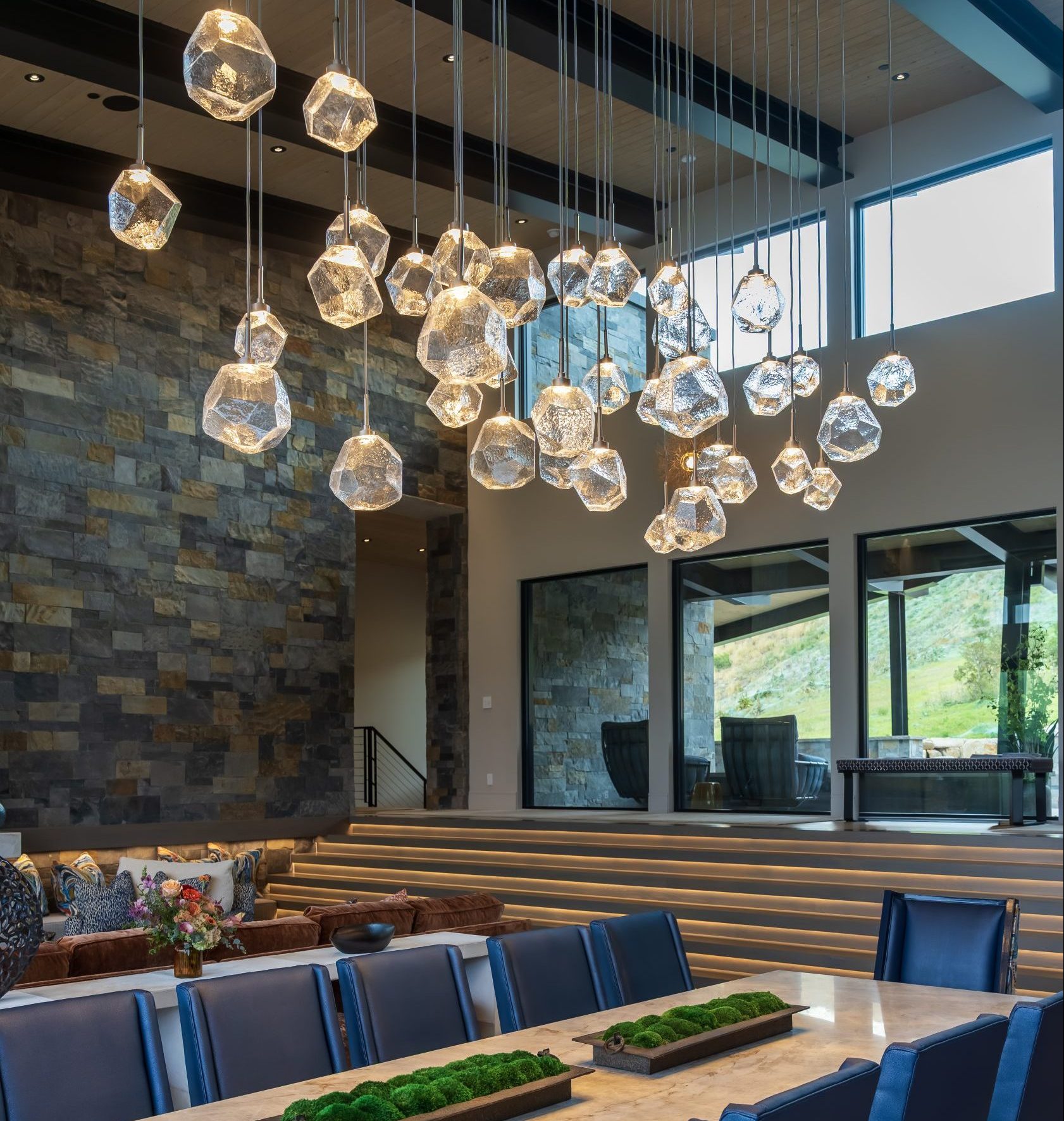
Struggling with cookie-cutter lighting that fails to express your unique vision or meet your home’s needs? This article shows that custom home lighting fixtures aren’t just about illumination but about making every space personal, comfortable, and beautiful. If you want your environment to truly reflect your style while enhancing functionality and atmosphere, Hammerton Studio can help. Our artisan team expertly blends aesthetic innovation, tailored engineering, and quality materials to deliver lighting that is as distinctive as you are. Learn how our American artisan-crafted designs address the challenges described above, offering everything from dramatic sculptural pieces to purposeful solutions that perfect ambient lighting in any room.
Why settle for ordinary when you can embrace exceptional? Visit Hammerton Studio now to discover lighting collections inspired by the very principles highlighted in “Custom Lighting Explained”. Explore our approach to perfecting ambient lighting and see your space transformed with unrivaled design value. Our experts are ready to help you reimagine your home now—don’t miss your chance to create an extraordinary environment with lighting made just for you.
Frequently Asked Questions
What is custom lighting?
Custom lighting refers to lighting fixtures specifically designed to meet unique spatial requirements, architectural contexts, and individual style preferences, transforming environments through precision engineering and artistic vision.
How does custom lighting enhance home aesthetics?
Custom lighting enhances home aesthetics by creating depth, highlighting architectural features, establishing visual hierarchies, and modulating emotional responses through strategic illumination techniques, turning ordinary spaces into extraordinary experiences.
What are the different types of custom lighting?
There are various types of custom lighting, categorized by purpose, including ambient lighting for overall illumination, task lighting for specific functions, accent lighting to highlight features, and decorative lighting that serves aesthetic purposes beyond mere illumination.
How does technology impact custom lighting solutions?
Modern custom lighting solutions integrate advanced technologies such as LED systems, smart lighting, and programmable controls, allowing for precise color temperature manipulation, energy efficiency, and adaptive environments that enhance both function and aesthetics.
ARE YOU A TRADE PROFESSIONAL?
At Hammerton, we know what it takes to deliver exceptional design on tight timelines. Our Trade Account Program offers exclusive discounts, product access, and dedicated support to help you stay ahead.
APPLY NOW and simplify your workflow from concept to completion.