Blown Glass Lighting for Luxury Homes
Blown glass fixtures have redefined what American homes expect from decorative lighting, combining artistry with everyday utility. Over half of American interior designers now choose handmade glass lighting for its unique visual presence and craftsmanship. This growing trend shows why the story behind each piece matters, from its historic origins to modern innovations. Discover how blown glass fixtures blend tradition with creative expression, offering more than just illumination for your living space.
Table of Contents
- Defining Blown Glass Fixtures And Their History
- Artisan Craftsmanship In Blown Glass Lighting
- Varieties And Customization Options Explained
- Lighting Performance And Unique Visual Qualities
- Comparing Blown Glass To Alternative Materials
Key Takeaways
| Point | Details |
|---|---|
| Historical Significance | Blown glass fixtures originated in the late 19th century, with pioneers like Louis Comfort Tiffany revolutionizing decorative illumination through artistic craftsmanship. |
| Artisan Craftsmanship | Each blown glass fixture is a unique work of art, reflecting the technical skill and creativity of contemporary artisans who push the boundaries of design. |
| Customization Flexibility | Blown glass offers extensive customization options, allowing designers to create unique lighting solutions that align with individual aesthetic preferences. |
| Visual and Functional Excellence | These fixtures not only illuminate spaces but also transform them, enhancing the overall aesthetic and creating immersive environments in luxury settings. |
Defining Blown Glass lighting and it’s History
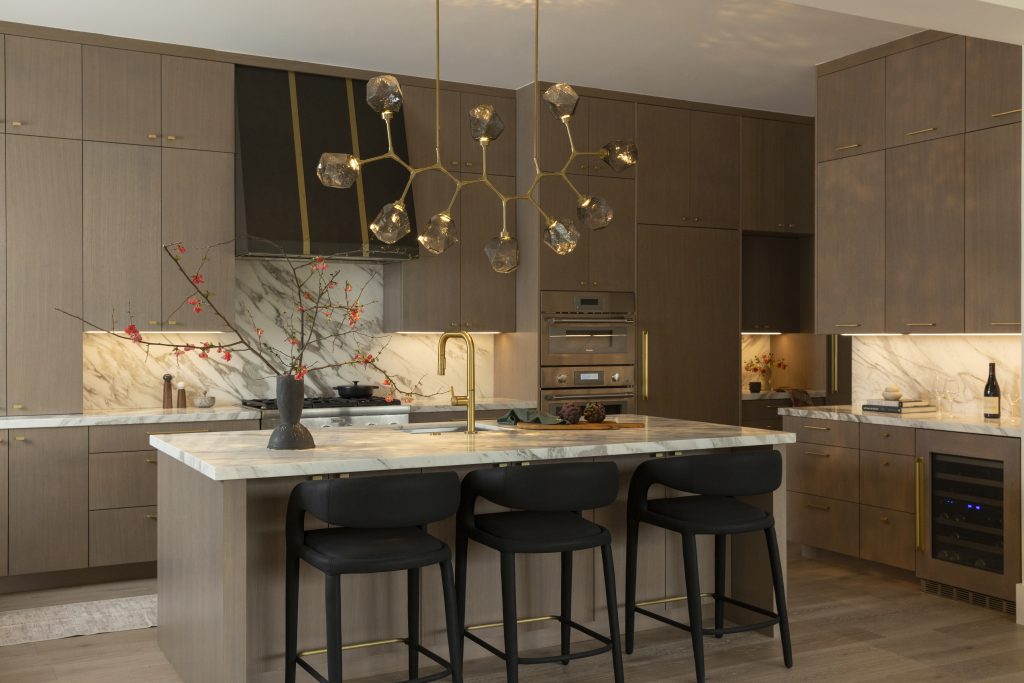
Blown glass lighting represents an extraordinary fusion of craftsmanship and functional illumination. Originating from centuries-old glassmaking techniques, these remarkable lighting elements trace their roots through intricate artisan traditions that have continuously evolved.
Historically, blown glass lighting emerged as a revolutionary design approach during the late 19th century, with pioneers like Louis Comfort Tiffany dramatically reshaping decorative illumination. Tiffany lamps, first exhibited in 1893, became renowned examples of blown glass fixtures that showcased extraordinary artistic potential within lighting design. These handcrafted pieces, part of the Art Nouveau movement, utilized complex copper-foil techniques to create intricate, colorful glass compositions that transcended mere functional lighting.
The technical evolution of blown glass fixtures continued through innovative developments like mercury glass, developed around 1840, which involved blowing double-walled glass with a silvered interior. This sophisticated technique created reflective surfaces that dramatically enhanced light transmission and visual complexity. Artisan glassmakers discovered methods to manipulate molten glass, introducing unprecedented levels of detail, color variation, and sculptural form into lighting design.
Modern blown glass fixtures represent a sophisticated intersection of traditional craftsmanship and contemporary design sensibilities. Skilled artisans continue to hand-shape each piece, ensuring that every fixture is a unique work of art. From delicate pendant lights to dramatic chandeliers, blown glass allows designers to create lighting elements that are simultaneously functional illumination sources and captivating visual statements within luxury interior spaces.
Artisan Craftsmanship in Blown Glass Lighting
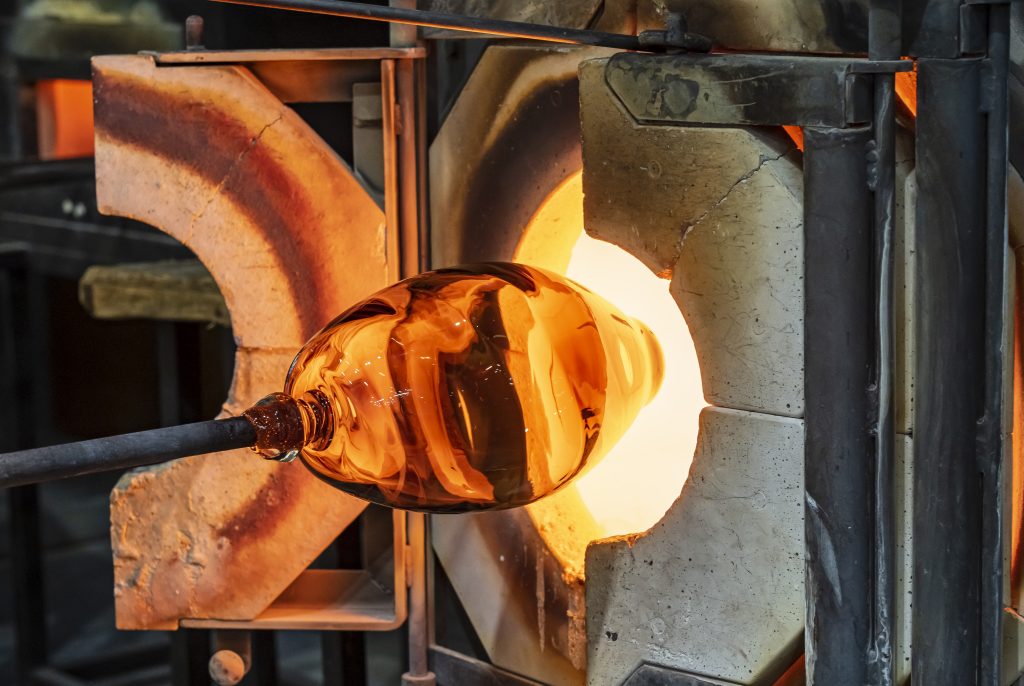
Artisan craftsmanship in blown glass lighting represents a profound intersection of technical skill, artistic vision, and centuries-old glassmaking traditions. Each handcrafted fixture emerges as a unique expression of creative expertise, transforming molten glass into luminous sculptural forms that transcend ordinary illumination.
Contemporary glass artists continue to push the boundaries of this intricate craft. James Mongrain, a Seattle-based glass artist renowned for his mastery in Venetian glassblowing techniques, exemplifies the extraordinary precision and creativity inherent in modern blown glass design. These artisans employ complex methods that require years of training, manipulating molten glass with exceptional dexterity to create lighting fixtures that are simultaneously functional and breathtaking works of art.
Barbara Nanning, a Dutch artist who collaborates with Czech glassmakers, further illustrates the global nature of contemporary blown glass craftsmanship. Her work demonstrates how traditional techniques can be seamlessly integrated with innovative design approaches, creating pieces that blur the lines between decorative art and functional lighting. The process involves intense concentration, specialized tools, and a deep understanding of glass behavior at different temperatures.
Ultimately, artisan blown glass lighting represents more than mere illumination—it is a testament to human creativity, technical mastery, and the ability to transform raw materials into objects of extraordinary beauty. Each fixture tells a story of skill, passion, and the timeless dialogue between artist and medium, inviting viewers to appreciate the nuanced artistry embedded in every carefully crafted piece.
Varieties and Customization Options
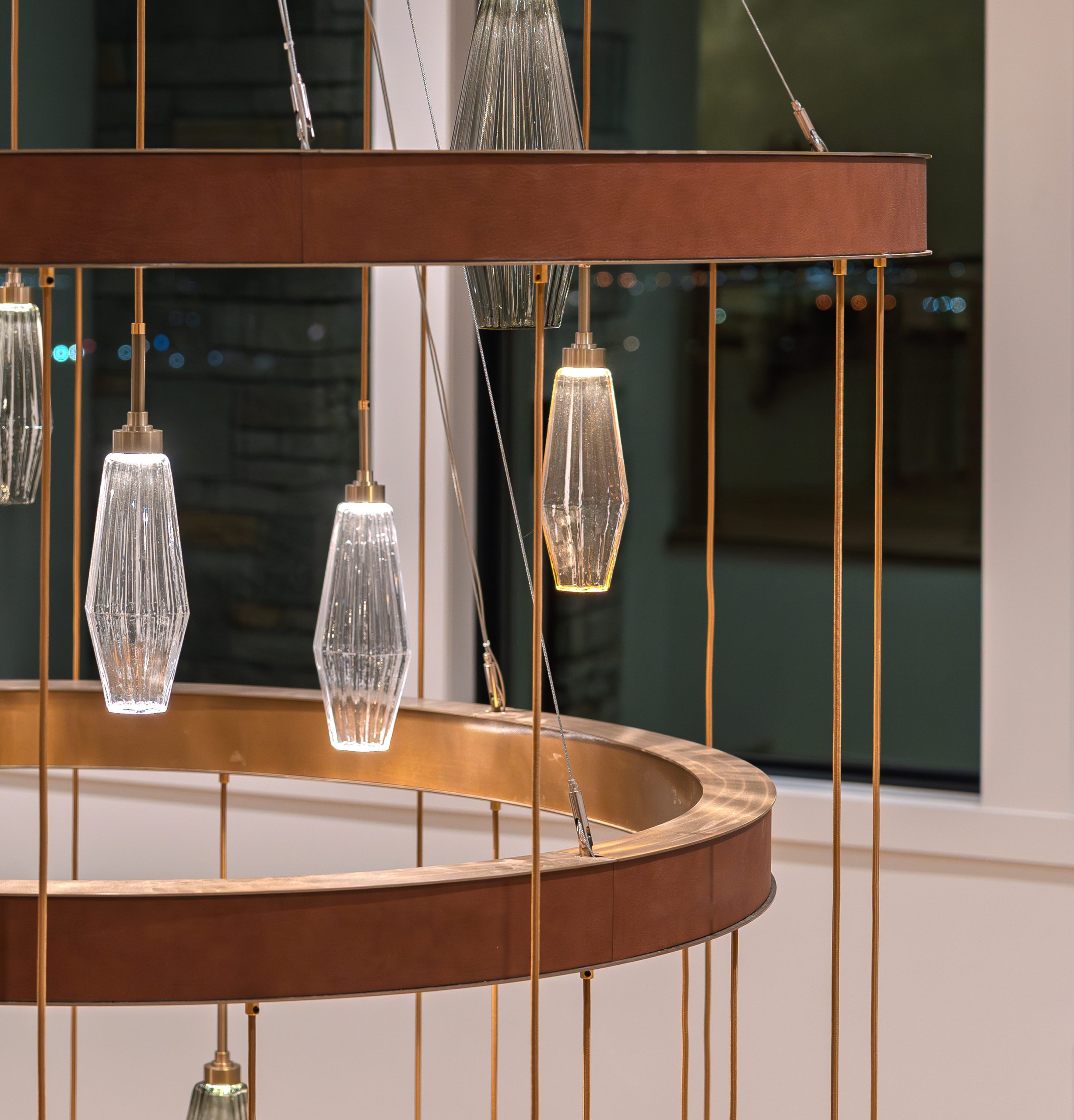
Blown glass fixtures offer an extraordinary spectrum of design possibilities, transforming lighting from a mere functional element into a personalized artistic statement for luxury homes. The remarkable versatility of this craft allows homeowners and designers to create truly unique illumination solutions that reflect individual aesthetic preferences and architectural contexts.
The world of blown glass lighting encompasses an incredible range of customization options. Carnival glass, produced since the early 20th century, demonstrates the potential for diverse patterns and colors in decorative glass, revealing how artisans can manipulate glass to create stunning visual effects. Designers can explore variations in shape, size, color, transparency, and surface texture, enabling the creation of fixtures that range from delicate and ethereal to bold and sculptural.
Mercury glass techniques, involving double-walled blown glass with silvering solutions between layers, further expand the customization possibilities. Artisans can create fixtures with complex light-reflective properties, producing pieces that change appearance depending on lighting conditions and viewing angles. This technique allows for intricate visual transformations, from subtle shimmer to dramatic luminescent effects that can dramatically alter a room’s atmosphere.
Ultimately, the true power of blown glass fixture customization lies in its ability to blend personal expression with technical mastery. Whether seeking a minimalist contemporary pendant, an ornate chandelier reminiscent of historical design periods, or a completely unique commissioned piece, blown glass offers unparalleled flexibility. Each fixture becomes a potential masterpiece, crafted to harmonize perfectly with a home’s architectural character and the homeowner’s distinctive sense of style.
Lighting Performance and Unique Visual Qualities
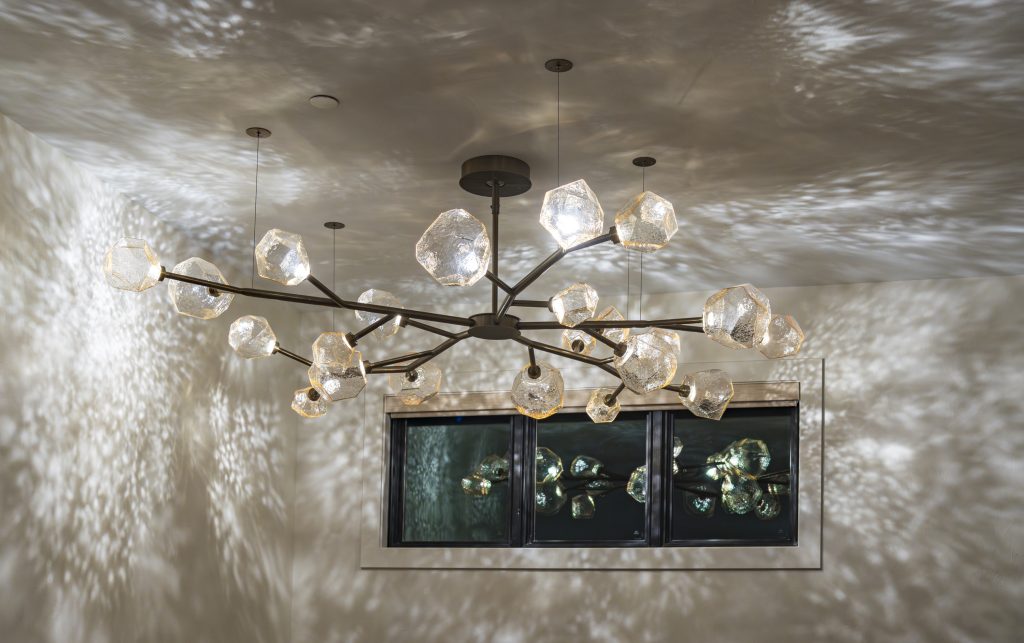
Blown glass fixtures transcend traditional lighting solutions by offering extraordinary visual performance that transforms interior spaces. These remarkable pieces do more than illuminate—they create atmospheric experiences that engage and enchant, turning light into a dynamic sculptural element within luxury home environments.
Tiffany lamps demonstrate the profound potential of blown glass in creating captivating lighting experiences, showcasing how stained-glass shades can diffuse light to generate warm, nuanced illumination. The intricate design of these fixtures allows light to interact with glass in complex ways, producing soft, layered effects that standard lighting simply cannot replicate. Designers leverage these unique properties to create depth, texture, and emotional resonance within interior spaces.
Carnival glass techniques introduce iridescent surfaces that reflect light in mesmerizing, multi-dimensional color patterns, further expanding the visual potential of blown glass lighting. This remarkable characteristic enables fixtures to dynamically change appearance based on ambient light conditions, creating living, breathing design elements that continuously surprise and delight. The interplay of light, color, and transparency transforms these fixtures from mere functional objects into genuine works of artistic expression.
Ultimately, the lighting performance of blown glass fixtures represents a sophisticated intersection of scientific precision and artistic imagination. By manipulating glass composition, thickness, color, and surface treatments, artisan designers can engineer lighting solutions that do far more than illuminate—they sculpt light itself, creating immersive environments that engage the senses and elevate the entire aesthetic experience of a luxury living space.
Comparing Blown Glass to Alternative Materials
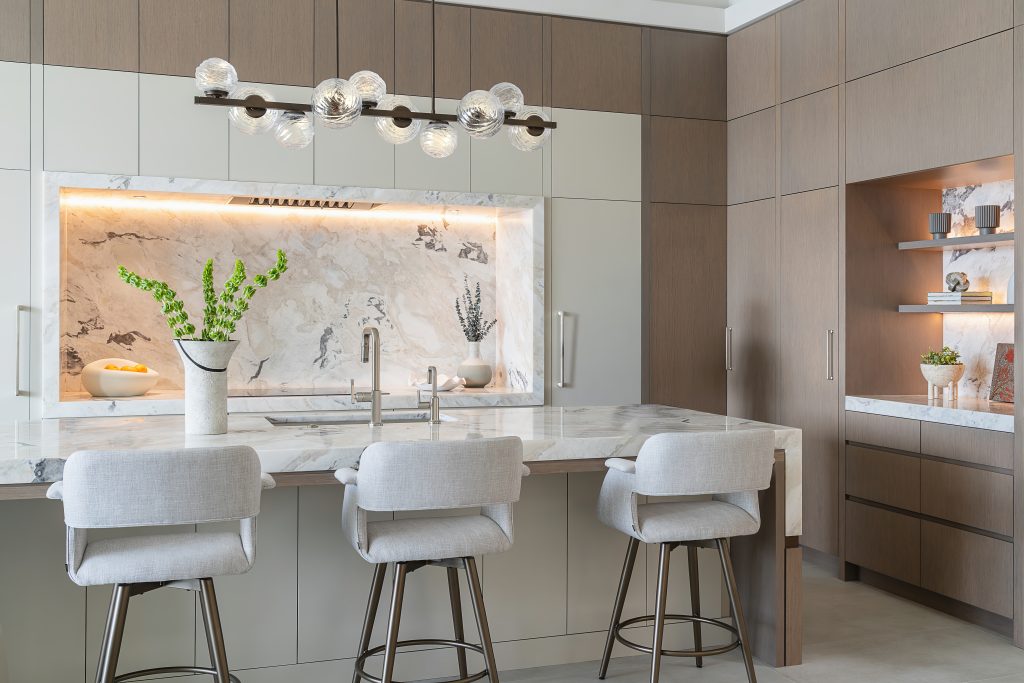
In the realm of luxury lighting design, blown glass distinguishes itself as a supremely versatile and sophisticated material that consistently outperforms alternative options. Unlike metal, ceramic, or synthetic materials, blown glass offers an unparalleled combination of visual dynamism, light manipulation, and artisan craftsmanship that transforms illumination from a mere functional necessity into an expressive design element.
Mercury glass techniques demonstrate the unique potential for reflective qualities that bridge the gap between traditional metal and glass materials, revealing how blown glass can achieve aesthetic complexity beyond conventional lighting solutions. The material’s inherent translucency allows for nuanced light diffusion, creating atmospheric effects that rigid materials like metal or plastic simply cannot replicate. Where metal fixtures remain static and unyielding, blown glass becomes a living canvas that interacts dynamically with surrounding light and architectural spaces.
Carnival glass exemplifies how glass materials can offer cost-effective alternatives to more expensive design approaches, without compromising visual sophistication. This technique proves that blown glass can simultaneously deliver exceptional aesthetic value and practical affordability. Unlike mass-produced synthetic materials that feel generic and impersonal, blown glass maintains an intrinsic sense of uniqueness—each piece carries subtle variations that reflect the artisan’s touch and creative vision.
Ultimately, blown glass transcends mere material comparison by offering a holistic design experience. Its ability to capture, transform, and radiate light makes it incomparable to alternative materials. Designers and homeowners choose blown glass not just for its visual qualities, but for its capacity to create emotional resonance—turning lighting from a background element into a central, breathtaking feature of interior design.
Elevate Your Home with Blown Glass lighting
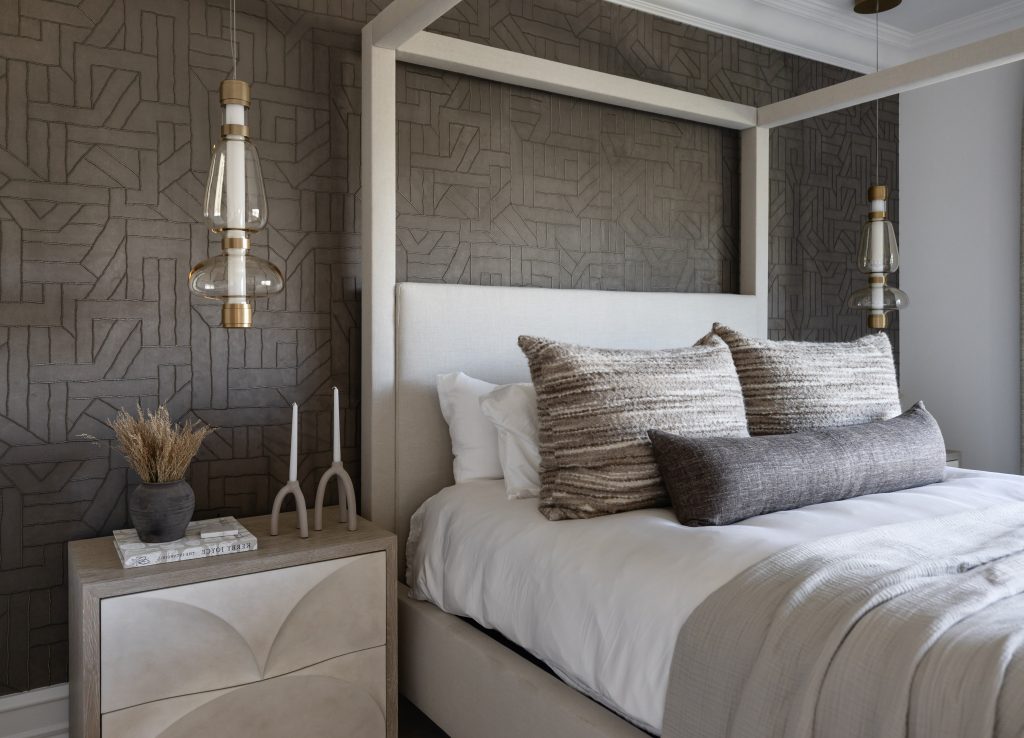
Experience lighting that transcends function and becomes a centerpiece of your home’s story. Explore our exceptional range of artisan blown glass lighting at Hammerton Studio, where each creation reflects uncompromising design and rapid delivery.
aRE YOU A TRADE PROFESSIONAL?
At Hammerton, we know what it takes to deliver exceptional design on tight timelines. Our Trade Account Program offers exclusive discounts, product access, and dedicated support to help you stay ahead. Apply now and simplify your workflow from concept to completion.
Frequently Asked Questions
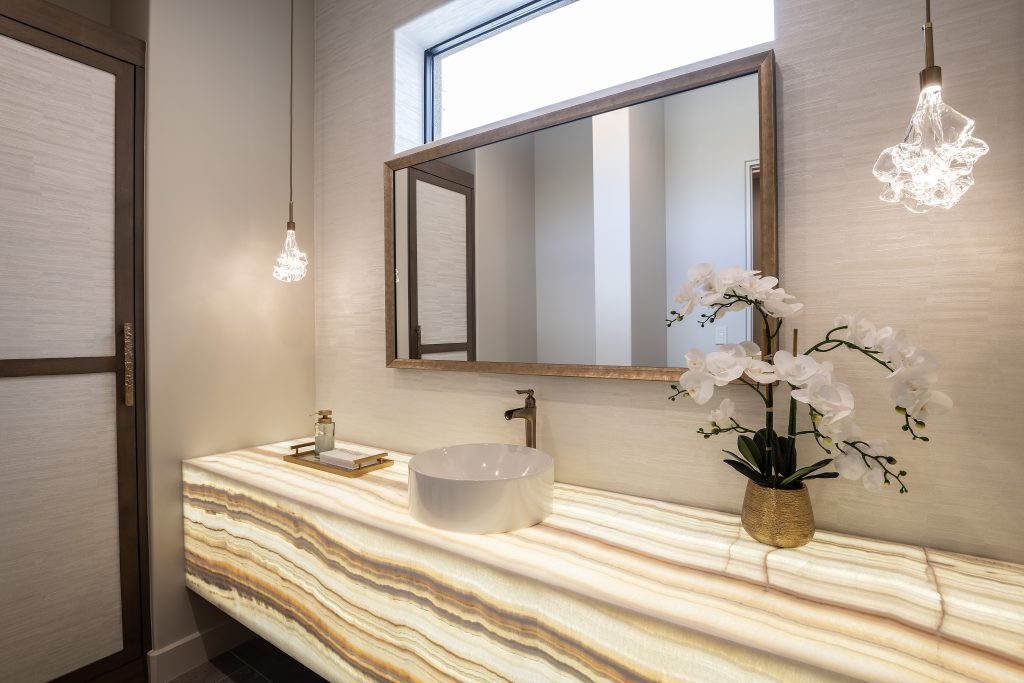
What are the advantages of using blown glass fixtures in luxury homes?
Blown glass fixtures offer unique artistic designs, exceptional craftsmanship, and the ability to manipulate light in ways that enhance interior spaces. They serve as both functional lighting and captivating art pieces.
How do blown glass fixtures compare to other lighting materials like metal or plastic?
Blown glass provides a dynamic visual experience due to its translucency and ability to diffuse light, creating atmospheric effects that rigid materials cannot replicate. Unlike synthetic materials that tend to look generic, blown glass maintains uniqueness and craftsmanship.
Can blown glass lighting fixtures be customized for specific design needs?
Yes, blown glass fixtures offer extensive customization options in terms of shape, size, color, and texture, allowing homeowners and designers to create unique, personalized lighting solutions that complement luxury interiors.
How does the craftsmanship of blown glass fixtures impact their value?
The artisan craftsmanship involved in creating blown glass fixtures adds significant value, as each piece is handcrafted and unique. This attention to detail and artistry elevates their status from ordinary lighting to extraordinary decor.