Lighting Maintenance Tips for Long-Lasting Performance
Lighting maintenance is the routine cleaning, inspection, and care of light fixtures to preserve performance, safety, and appearance throughout the home. Done consistently, it prevents the gradual decline that can make a space feel dim or neglected long before a bulb actually burns out.
The best lighting maintenance practices address both indoor and outdoor fixtures, since each environment creates different wear patterns. Whether you own a single residence or manage multiple properties, a simple maintenance routine protects your investment and helps your lighting perform exactly as intended for years to come.
What are the essential lighting maintenance tasks?

Proper lighting upkeep follows a straightforward sequence. Skipping one step often shortens fixture life and affects the overall quality of light in your home.
Here is a practical maintenance routine to follow every three to six months:
- Clean fixture lenses and housings. Dust and debris naturally accumulate on glass and metal surfaces, reducing light output over time. Use a soft microfiber cloth and mild soap to gently remove buildup.
- Inspect and replace bulbs when needed. Flickering or dimming bulbs should be replaced promptly to maintain consistent light quality throughout the room.
- Check visible wiring, connectors, and seals. Look for signs of corrosion, discoloration, fraying, or moisture around accessible connections.
- Inspect outdoor transformers and control systems. Periodic evaluation by a qualified installer helps ensure outdoor systems are operating correctly.
- Keep drainage and ventilation openings clear. Heat buildup is one of the leading causes of premature LED driver failure. Make sure heat sinks and weep holes remain unobstructed.
- Review surge protection after severe weather. Electrical storms can damage protective devices, making occasional inspections worthwhile.
How do different environments affect lighting maintenance needs?
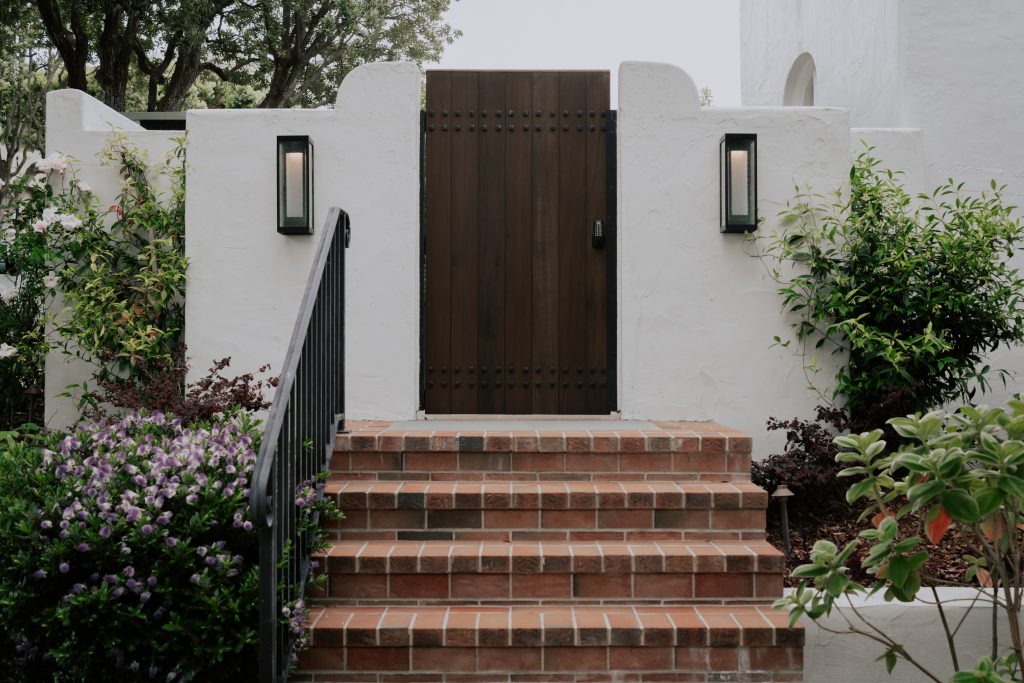
The environment surrounding a fixture determines how quickly it ages and how often maintenance is required. A chandelier inside a climate-controlled dining room experiences far different conditions than a lantern exposed to rain, humidity, or salt air.
Indoor environments
Indoor fixtures are relatively low maintenance. Stable temperatures and lower humidity mean that cleaning and inspection every three to six months is sufficient for most homes. Dust accumulation is the most common concern, particularly in enclosed fixtures where it can contribute to excess heat.
Outdoor environments
Exterior fixtures require more attention. Exposure to rain, wind, insects, and seasonal debris means they should be inspected regularly and checked after major storms. A quick post-storm walkthrough can help identify water intrusion before it causes damage.
Coastal and humid environments
Salt air and high humidity accelerate corrosion and wear on metal components. Homeowners in these regions should inspect fixtures more frequently and pay close attention to seals, gaskets, and any signs of oxidation.
| Environment | Cleaning Frequency | Primary Maintenance Focus | Post-Event Inspection |
|---|---|---|---|
| Indoor | Every 3–6 months | Dust removal and bulb checks | Not typically required |
| Outdoor (dry climates) | Every 4–6 months | Lenses, wiring, and drainage | After major storms |
| Outdoor (humid climates) | Every 3–4 months | Seals and moisture protection | After heavy rain |
| Coastal | Every 2–3 months | Corrosion prevention and hardware inspection | After severe weather |
What are the best cleaning practices to preserve fixture aesthetics?
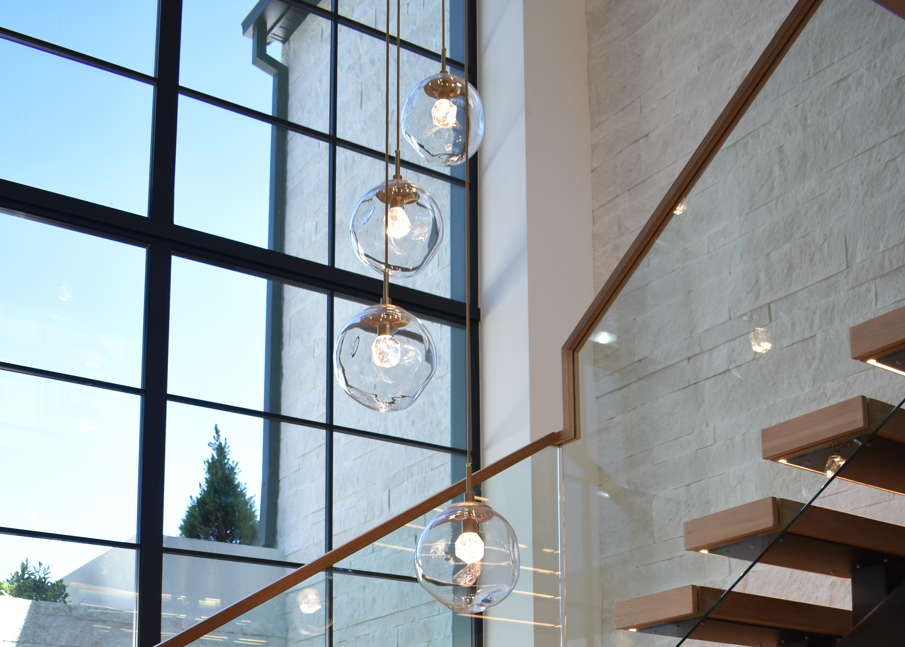
The purpose of cleaning is not simply to remove dirt. It is to preserve the finish, maintain light quality, and protect the craftsmanship of the fixture itself.
- Use soft microfiber cloths. Abrasive materials can leave scratches on glass and metal surfaces over time.
- Choose mild soap and warm water. Gentle cleaning solutions remove grease and dust without damaging protective finishes.
- Follow manufacturer instructions before removing glass components. Attachment methods vary from fixture to fixture.
- Replace bulbs in matching sets when possible. Consistent bulb types help maintain uniform brightness and color temperature.
- Take extra care with integrated LED fixtures. Avoid introducing moisture near electronic components and never spray cleaners directly onto the fixture.
For handcrafted metal lighting with artisan finishes, gentler cleaning methods typically provide better long-term results than aggressive polishing or harsh chemicals.
How do you improve efficiency and maximize fixture lifespan?
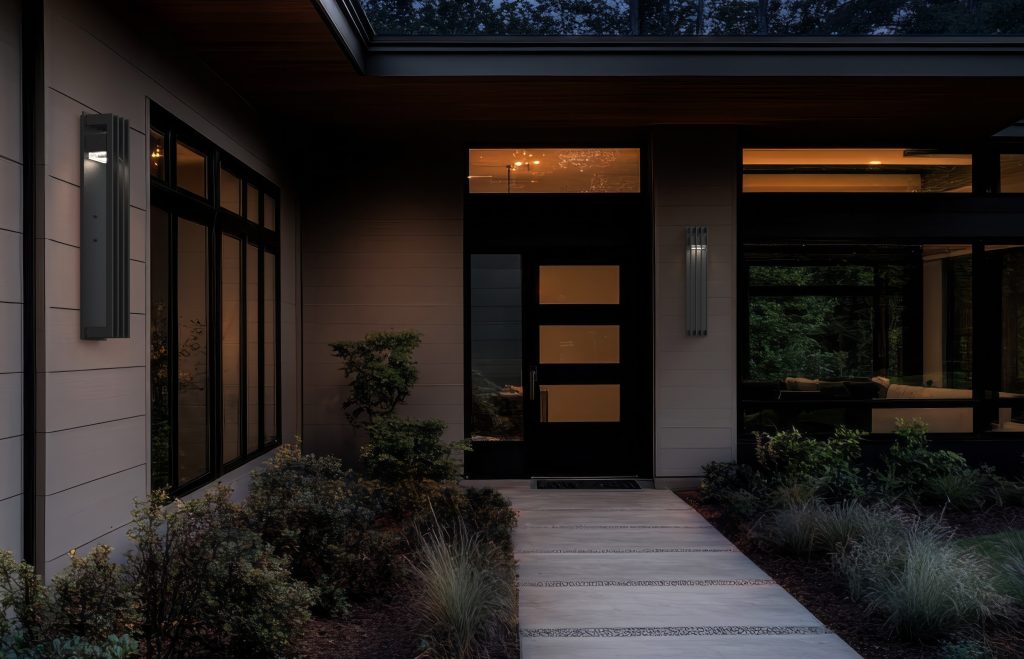
Maintenance and efficiency go hand in hand. A clean, properly functioning fixture delivers better light and helps every component last longer.
- Upgrade older bulbs to LED technology. LEDs use significantly less energy than incandescent lamps while providing longer service life.
- Monitor environmental conditions. Excessive heat and humidity can shorten the lifespan of electronic components.
- Protect fixtures from voltage fluctuations. Surge protection helps prevent premature failures.
- Evaluate lighting levels periodically. Spaces evolve over time, and adjusting illumination can improve both comfort and efficiency.
- Keep heat sinks free of dust. Proper airflow allows LEDs and drivers to operate within their intended temperature range.
Integrated LED fixtures also eliminate routine bulb replacement and provide more consistent performance over time.
What common mistakes should you avoid in lighting maintenance?
Even good intentions can lead to problems when maintenance is performed incorrectly.
Using harsh chemical cleaners
Products containing ammonia, bleach, or abrasive particles can permanently damage metal finishes and decorative glass.
Ignoring seals and gaskets
Outdoor fixtures rely on these components to keep moisture away from electrical parts. Damaged seals should be addressed before water intrusion occurs.
Skipping visual inspections
Loose hardware, corrosion, and damaged wiring often begin as small problems that are easy to correct when caught early.
Delaying bulb replacement
Failing bulbs can create uneven brightness and detract from the appearance of a multi-light fixture.
Using the same schedule for every fixture
Maintenance should reflect the environment. A bathroom vanity, a mountain cabin lantern, and a coastal pendant all experience different conditions.
Key takeaways
Consistent, environment-specific maintenance helps preserve fixture performance, extend service life, and protect the appearance of your home.
| Point | Details |
|---|---|
| Maintain on a schedule | Inspect and clean fixtures every three to six months indoors and more frequently outdoors. |
| Prioritize airflow | Keep heat sinks and drainage openings clear to support long-term LED performance. |
| Clean gently | Use microfiber cloths and mild soap to preserve finishes and glass. |
| Upgrade to LEDs | Modern LED technology improves efficiency and reduces maintenance requirements. |
| Adapt to your environment | Humid and coastal locations require more frequent inspections and care. |
the hammerton approach to lighting maintenance
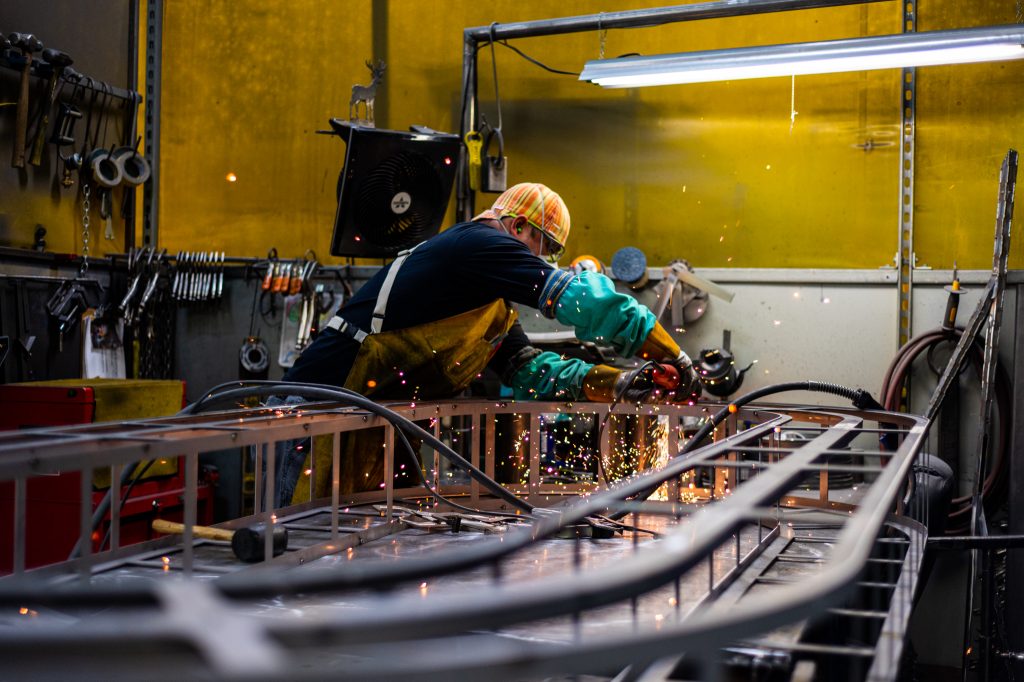
After decades of designing and building fixtures for homes across North America, we have learned that many premature lighting issues can be traced to environmental exposure, neglected maintenance, or improper installation rather than the fixture itself.
Well-crafted materials are designed to age gracefully, but they still benefit from routine care. Glass should be kept clean, finishes should be treated gently, and outdoor components should be inspected regularly.
We also believe people often underestimate how much a clean fixture affects a room. Dust-covered glass and accumulated debris can noticeably reduce brightness and diminish the atmosphere the designer originally intended.
The most practical approach is to incorporate lighting maintenance into the same seasonal rhythm as the rest of your home care routine. Spring and fall are natural checkpoints, and outdoor fixtures should receive additional attention after significant weather events.
Discover artisan lighting built to last
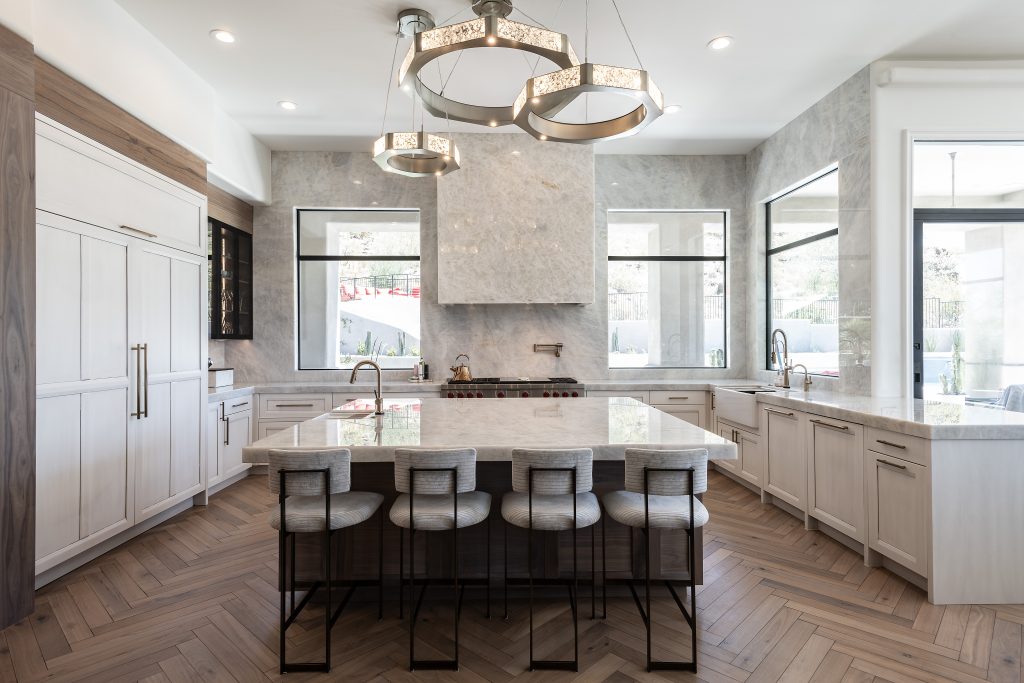
Well-maintained lighting begins with fixtures worth maintaining.
Hammerton designs and creates each piece in America using authentic materials including artisan-blown glass, forged steel, and ceramics selected for both durability and visual depth. These materials are intended to develop character over time while maintaining the integrity that defines exceptional craftsmanship.
When you invest in a fixture built with this level of care, regular maintenance helps preserve something genuinely worth preserving. With thoughtful ownership and quality materials, decorative lighting can remain a defining feature of the home for decades.
aRE YOU A TRADE PROFESSIONAL?
At Hammerton, we know what it takes to deliver exceptional design on tight timelines. Our Trade Account Program offers exclusive discounts, product access, and dedicated support to help you stay ahead. Apply now and simplify your workflow from concept to completion.
FAQ:
How often should light fixtures be cleaned?
Most indoor fixtures should be cleaned every three to six months to remove dust and maintain brightness. Outdoor fixtures may require more frequent attention depending on exposure to weather, humidity, and debris.
What is the best way to clean light fixtures?
Use a soft microfiber cloth with mild soap and warm water. Avoid abrasive sponges and harsh chemicals, which can damage glass and metal finishes. Always turn off power to the fixture and allow bulbs to cool before cleaning.
How do I know when a light bulb should be replaced?
Flickering, dimming, inconsistent color, or delayed startup are common signs that a bulb is nearing the end of its lifespan. Replacing bulbs promptly helps maintain consistent light quality throughout the room.
Do LED fixtures require maintenance?
Yes. Although LED fixtures require less maintenance than traditional lighting, they still benefit from regular cleaning and inspection. Keeping lenses, heat sinks, and ventilation openings free of dust helps maximize performance and lifespan.
How often should outdoor lighting be inspected?
Outdoor fixtures should be inspected at least twice a year and after major storms. Homeowners should check for moisture intrusion, loose hardware, debris buildup, and signs of corrosion.
Can harsh cleaning products damage light fixtures?
Yes. Cleaners containing bleach, ammonia, or abrasive ingredients can permanently damage decorative glass and metal finishes. Gentle cleaning methods are recommended for preserving the appearance of high-quality fixtures.
Why do coastal homes require more lighting maintenance?
Salt air and high humidity accelerate corrosion and can shorten the lifespan of outdoor lighting components. More frequent cleaning and inspections help protect fixtures exposed to these conditions.
How can I make my light fixtures last longer?
Routine cleaning, timely bulb replacement, proper airflow, and regular inspections all contribute to longer fixture life. Choosing quality materials and following manufacturer recommendations can further extend the lifespan of decorative lighting.