Modern Organic Lighting: Bringing Nature’s Rhythm Indoors
There’s a reason that modern organic lighting and nature-inspired interiors continue to resonate with homeowners and designers alike. In a world increasingly shaped by screens, schedules, and sterile perfection, spaces that feel tactile, grounded, and deeply human offer something rare: relief. And lighting often becomes the defining layer that determines whether a room merely looks nice or genuinely feels alive.
Defined by sculptural forms, natural textures, and an intentional balance between refinement and imperfection, modern organic lighting creates atmosphere without overwhelming a space. Rather than acting as a purely functional element, it becomes an emotional anchor within the architecture itself.
For interior designers, this creates an opportunity to specify lighting that delivers both visual restraint and artistic presence. Especially when incorporating blown glass lights and handcrafted materials that introduce movement, depth, and individuality into contemporary environments.
What Defines Modern Organic Lighting?
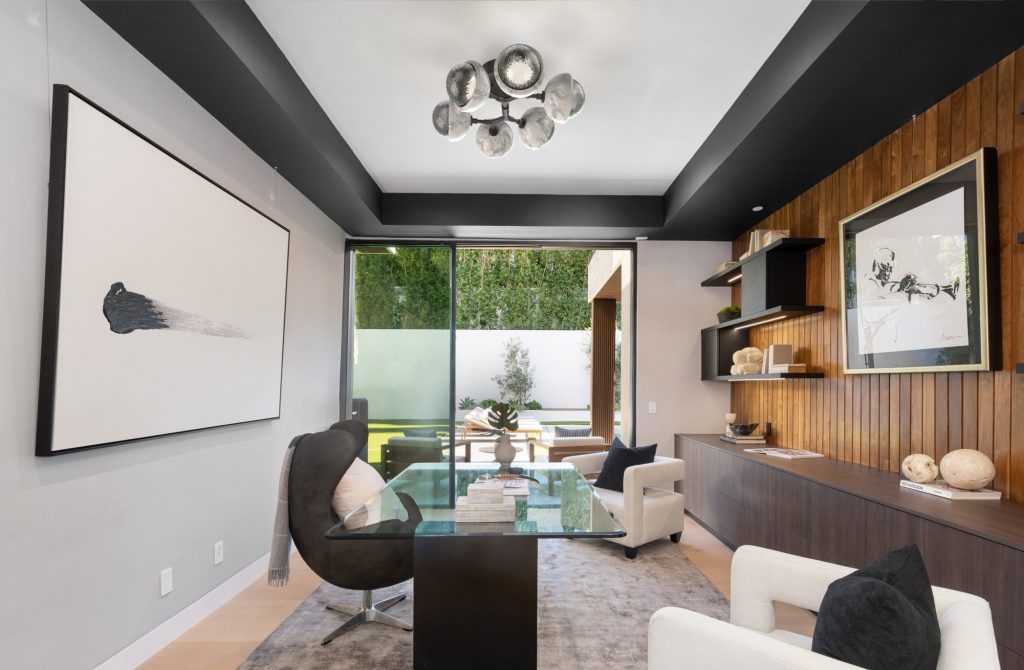
Modern organic lighting sits at the intersection of clean contemporary design and nature-inspired softness. It embraces simplicity, but avoids feeling cold or overly minimal. The forms are often fluid rather than rigid. Finishes lean earthy, textured, or matte. Materials may include stone, metal, wood, and increasingly, artisanal glass.
Unlike trend-driven aesthetics that rely heavily on ornamentation or stark contrast, modern organic interiors prioritize balance. Lighting within these spaces should feel integrated into the environment rather than layered on top of it.
This is where blown glass lighting becomes particularly compelling.
The subtle asymmetry of hand-blown glass introduces a natural variation that machine-made fixtures simply cannot replicate. Slight shifts in thickness, movement within the glass, and the way light diffuses across the surface all contribute to a more dimensional experience. In highly curated interiors, those nuances matter.
For designers working within modern organic spaces, lighting becomes less about symmetry and more about rhythm.
Why Blown Glass Works in Organic Interiors
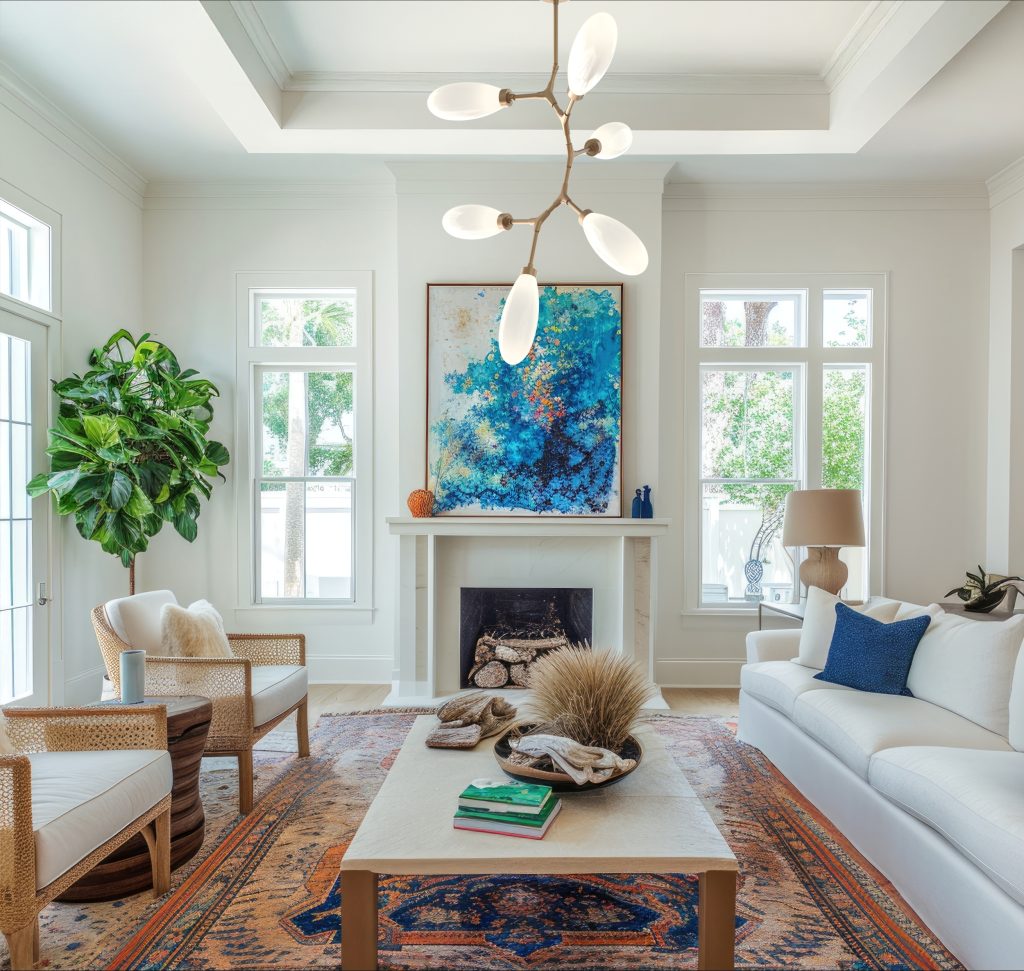
One of the defining characteristics of organic design is material authenticity. Clients are increasingly drawn toward furnishings and finishes that feel crafted rather than manufactured. Hand-applied plaster, natural stone veining, unlacquered brass, and tactile textiles all contribute to that layered effect.
Artisan blown glass lights align naturally with this philosophy because no two pieces are ever entirely identical. The human touch remains visible within the material itself.
In contemporary interiors, blown glass also offers an important contrast to the hard architectural lines commonly found in modern homes. Linear millwork, expansive glazing, and monolithic surfaces benefit from softer visual counterpoints. A sculptural blown glass pendant introduces movement and warmth without disrupting the clean architectural language.
Scale also plays a significant role. Oversized blown glass chandeliers and multi-pendant installations can create dramatic focal points while still maintaining an airy, restrained aesthetic. Rather than feeling visually heavy, glass allows lightness and transparency to remain part of the composition.
Layering Light in Modern Organic Spaces
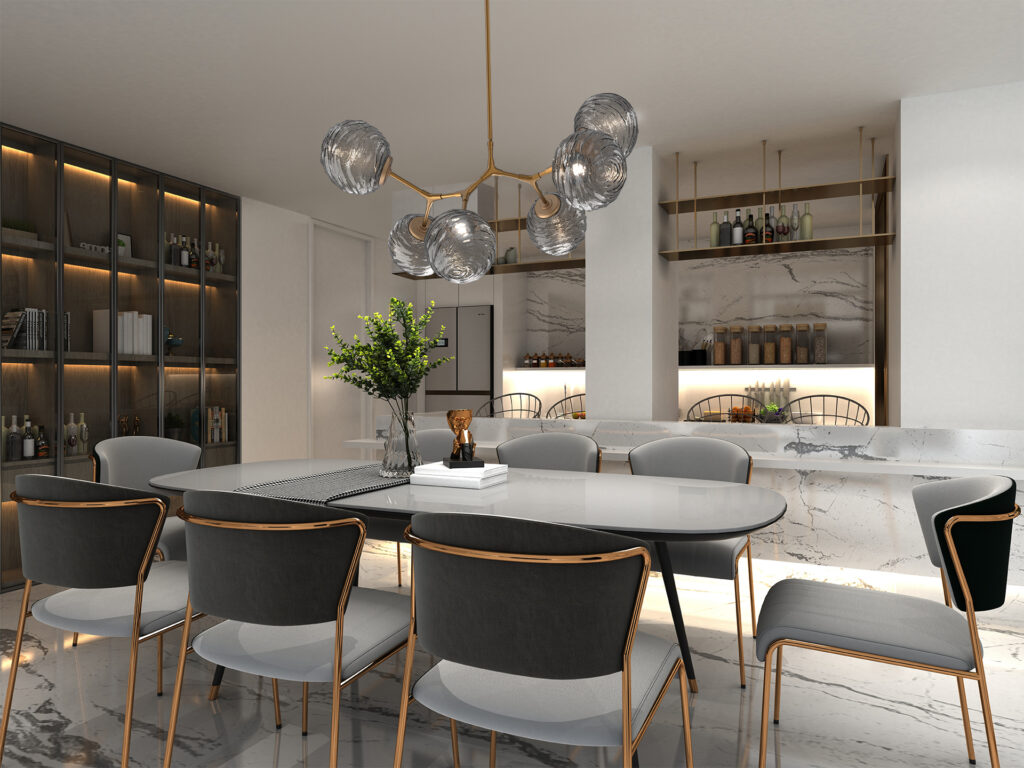
Successful modern organic interiors rely heavily on layered lighting. Ambient, task, and decorative illumination should work together to create depth throughout the day and evening.
Blown glass fixtures are particularly effective because they diffuse illumination in a softer, more atmospheric way than exposed or directional lighting sources. Depending on the finish and opacity of the glass, the light can feel warm, filtered, and almost sculptural in itself.
When specifying lighting for modern organic interiors, designers should consider:
- Mixing scale intentionally across pendants, sconces, and chandeliers
- Prioritizing warm dimming capabilities to enhance evening ambiance
- Using sculptural forms to add movement within minimalist palettes
- Selecting materials that complement architectural finishes rather than compete with them
- Incorporating decorative lighting as functional artwork within the space
The goal is not to over-layer the room with visual complexity. Instead, each fixture should contribute quietly but meaningfully to the overall atmosphere.
The Shift Toward Artisanal Luxury
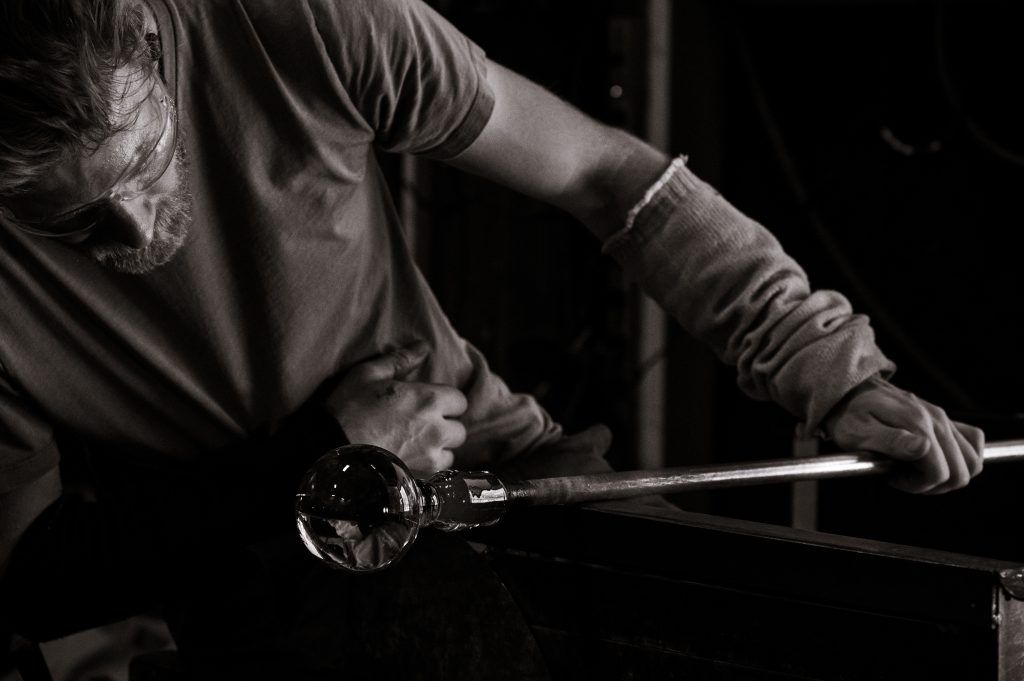
This shift has elevated interest in handcrafted blown glass lighting, where artistry and technical precision coexist. Designers are no longer simply selecting fixtures based on silhouette alone. They are evaluating how a piece was made, how materials interact with light, and how the fixture contributes emotionally to the environment.
In many ways, modern organic lighting reflects a broader design philosophy centered around intentional living. Spaces are expected to feel calming, immersive, and deeply personal. Lighting becomes essential to achieving that emotional tone.
For interior designers, specifying handcrafted blown glass fixtures offers an opportunity to create interiors that feel simultaneously elevated and approachable. Sculptural yet restrained. Contemporary yet timeless.
Because ultimately, the most successful modern organic interiors are not the loudest spaces. They are the ones that feel effortless to exist within. And thoughtful lighting is often the detail that makes the difference.
aRE YOU A TRADE PROFESSIONAL?
At Hammerton, we know what it takes to deliver exceptional design on tight timelines. Our Trade Account Program offers exclusive discounts, product access, and dedicated support to help you stay ahead. Apply now and simplify your workflow from concept to completion.
FAQ:
What is modern organic lighting?
Modern organic lighting combines contemporary silhouettes with natural forms, textures, and materials to create spaces that feel warm, balanced, and connected to nature. Fixtures often feature sculptural shapes, earthy finishes, and handcrafted elements like blown glass lighting to soften modern interiors.
Why are blown glass lights popular in luxury interior design?
Blown glass lights add depth, movement, and individuality to a space. Because each piece is handcrafted, subtle variations in texture and form create a more elevated, artisanal feel. Designers often use blown glass lighting to introduce warmth and visual softness into clean-lined contemporary homes. Humans paying extra for tiny imperfections. Somehow deeply logical, honestly.
How do you incorporate modern organic lighting into a contemporary home?
The key is layering. Modern organic lighting works best when paired with natural materials, warm neutrals, and architectural simplicity. Designers often incorporate sculptural pendants, statement chandeliers, and modern wall sconces to create atmosphere while maintaining a restrained aesthetic.
What materials work best with blown glass lighting?
Blown glass lighting pairs beautifully with materials like natural stone, plaster, oak, walnut, linen, and aged metal finishes. These combinations help create the tactile, grounded feeling that defines modern organic interiors without making the space feel overly rustic or overly polished.
Are blown glass lighting fixtures timeless?
Yes. High-quality blown glass lighting has a timeless quality because it emphasizes craftsmanship and materiality over trend-driven design. Sculptural glass fixtures can evolve alongside changing interiors, making them a long-term specification choice for designers creating layered, enduring spaces.