Blown glass lighting: the detail your luxury interior needs
Every handcrafted blown glass light fixture tells its own story through subtle bubbles, swirls, and color variations that emerge during the artisan process. Unlike mass-produced glass lighting, these intentional imperfections create a signature aesthetic that transforms functional fixtures into genuine art pieces. Understanding how mouth-blown glass offers a unique aesthetic appeal helps you appreciate why no two pieces are ever identical. This guide explores the glass blowing techniques, customization options, and design principles that make handcrafted blown glass lighting an extraordinary choice for luxury interiors.
Table of Contents
- Understanding The Art Of Glass Blowing In Luxury Lighting
- Exploring Design And Customization Options For Glass Blown Lighting
- Lighting Effects And Practical Tips For Showcasing Glass Blown Lamps
- Heritage And Artistry Behind Hand-Blown Glass Lighting Designs
- Explore Handcrafted Glass Lighting At Hammerton Studio
Key takeaways
| Point | Details |
|---|---|
| Unique handcrafted character | Glass blowing produces distinct bubbles, swirls, and color variations that make each lighting piece one of a kind. |
| Extensive customization | Cable styling, ceiling rose designs, and wiring compatibility options allow you to tailor fixtures to your specific interior needs. |
| Artisan craftsmanship | Multiple workshops spend 10 to 12 weeks fabricating each piece with precision and care. |
| Intentional imperfections | Subtle variations in thickness and texture enhance aesthetic appeal rather than diminish quality. |
| Design versatility | Contrasting materials like metal and glass create emotional depth and visual interest in any space. |
the art of BLOWN GLASS in luxury lighting
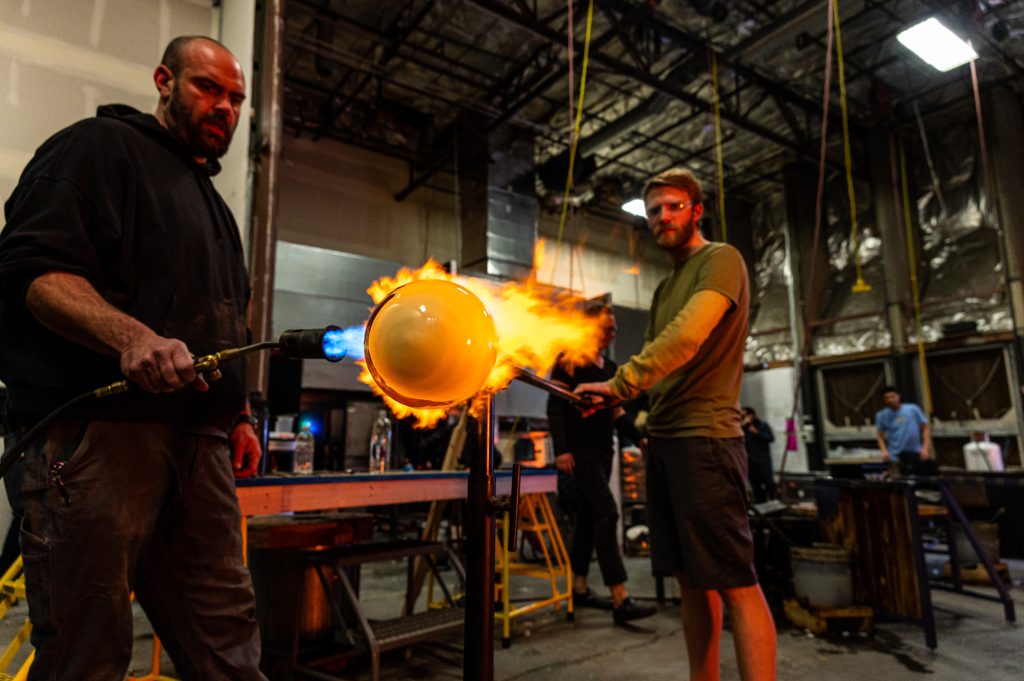
Glass blowing transforms molten glass into luminous works of art through two primary techniques: mouth-blown and mold-blown processes. Artisans gather molten glass on the end of a blowpipe, then shape it by blowing air through the tube while rotating and manipulating the material. This hands-on approach creates organic variations that define each piece’s character, which is exactly why blown glass remains a cornerstone of high-end decorative lighting.
During the blowing process, tiny air pockets become trapped within the glass, forming distinctive bubbles that catch and refract light. The spinning motion creates swirling patterns as different glass colors blend together. Temperature fluctuations and the artisan’s breathing rhythm influence how these features develop, ensuring no two pieces emerge identically.
These handcrafted characteristics differ dramatically from mass-produced glass, which uses automated machinery to create uniform, predictable results. Factory-made glass lacks the subtle texture variations, organic bubble formations, and hand-shaped contours that give blown glass lighting its soul. The human element introduces beautiful unpredictability that machines cannot replicate.
Exploring design & customization for blown glass lighting
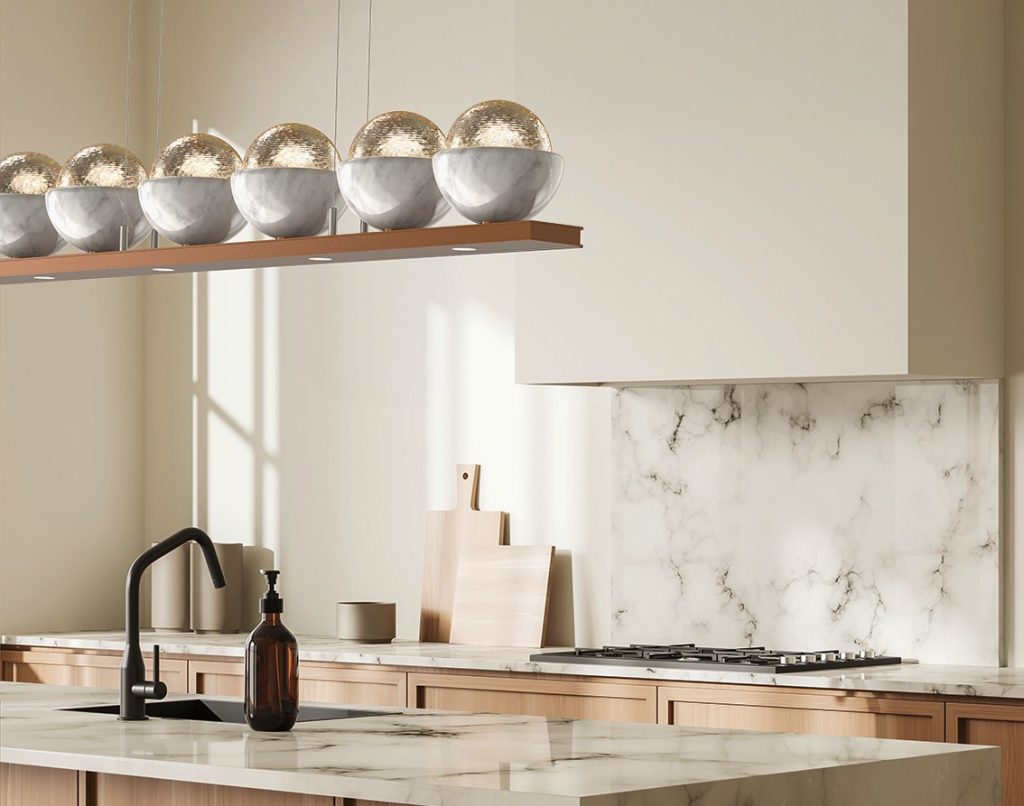
Handcrafted blown glass lighting offers remarkable flexibility through customization options including cable and ceiling rose design, plus wiring compatibility for both US and UK electrical standards.
The interplay between contrasting materials creates emotional resonance that elevates glass lighting beyond mere functionality. The lamp’s design contrasts rigid metal frames with soft glass edges and color variations, establishing visual tension that keeps the eye engaged. Hard metalwork provides structural stability while emphasizing the glass’s delicate, fluid nature through juxtaposition.
Exploring custom lighting solutions at Hammerton reveals how personalization extends beyond basic specifications to encompass artistic vision. Designers can specify exact glass color blends, metal patina treatments, and structural proportions that align with your project’s unique requirements. This level of customization ensures your lighting becomes an integral part of your design narrative rather than an afterthought.
| Customization Feature | Options Available | Design Impact |
|---|---|---|
| Cable Style | Twisted fabric, braided cord, modern sleeve, vintage wire | Defines aesthetic era and visual weight |
| Ceiling Rose | Flush mount, decorative medallion, minimal canopy, ornate plate | Frames fixture and integrates with architecture |
| Wiring Standard | US 120V, UK 240V, custom voltage | Ensures electrical compatibility and safety |
| Metal Finish | Brushed, polished, oxidized, powder coated | Creates contrast and emotional tone |
| Glass Color | Clear, amber, blue, green, custom blends | Establishes mood and light quality |
Lighting effects & tips for integrating blown glass
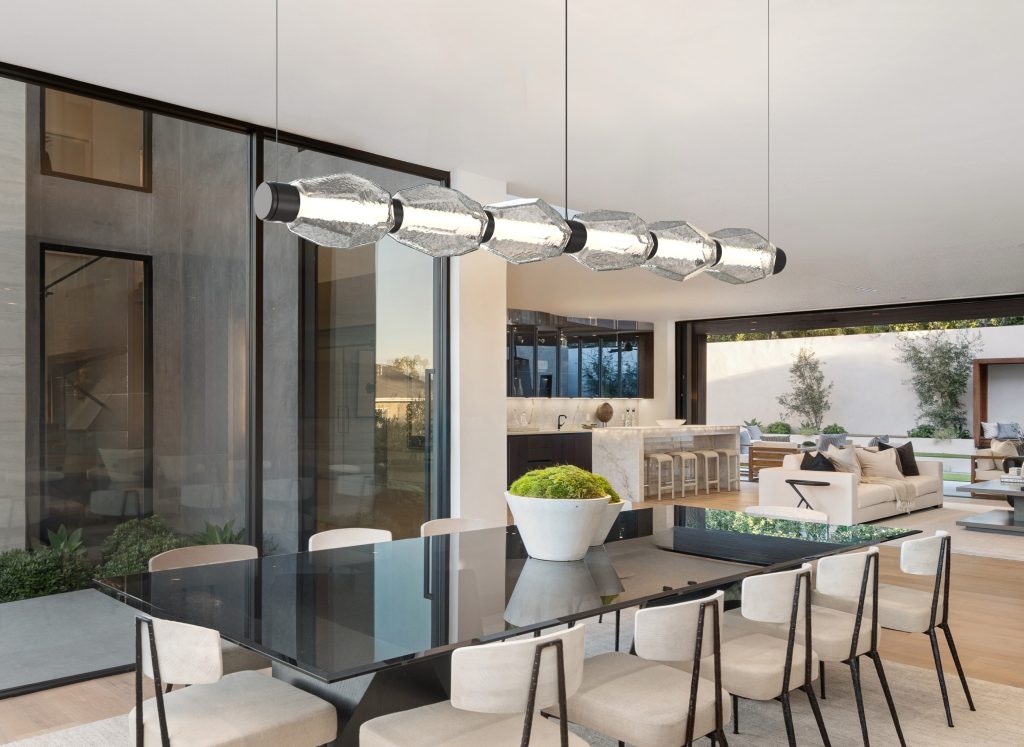
Bulb selection dramatically influences how your handcrafted glass lighting performs visually and emotionally. Dim light bulbs are recommended to accentuate the idiosyncratic character of mouth-blown glass by allowing subtle features to emerge gradually. Bright bulbs can wash out delicate color variations and make bubble patterns less visible, diminishing the artisan qualities you invested in.
Lower wattage bulbs, typically between 25 and 40 watts for incandescent equivalents, create intimate ambiance while highlighting glass texture. LED bulbs with warm color temperatures between 2700K and 3000K complement amber and clear glass beautifully. Cooler temperatures around 4000K work better with blue or green glass tones, enhancing their jewel-like qualities.
Glass thickness and internal reflections significantly affect how your fixture appears throughout the day. The changing appearance of mouth-blown glass lights varies depending on thickness, bulb choice, reflections, and external light conditions. Thicker glass sections create deeper color saturation and more pronounced light refraction, while thinner areas allow light to pass through more directly.
Internal reflections occur when light bounces between bubbles and swirls within the glass structure, creating prismatic effects that shift as you move around the fixture. External light from windows or other sources interacts with these internal features, producing dynamic visual effects that change hourly. Morning light might emphasize certain bubble patterns, while evening illumination reveals entirely different characteristics.
Strategic positioning maximizes your glass lighting’s visual impact and functional performance. Hanging pendants at eye level when seated allows you to appreciate bubble formations and color gradations up close. Positioning fixtures near reflective surfaces like mirrors or polished countertops doubles their visual presence through reflection.
Layering multiple light sources creates depth and prevents your handcrafted glass fixture from bearing the entire illumination burden. Pair statement pendants with subtle recessed lighting or wall sconces to establish ambient light levels, allowing your glass lighting to serve as jewelry for your space. This approach lets you use lower wattage bulbs in your handcrafted pieces, emphasizing their artistic qualities.
Pro Tip: Install dimmer switches on all handcrafted glass lighting to control how much detail you reveal at different times. Full brightness works for task-oriented activities, while dimmed settings transform your fixture into a glowing sculpture. Experiment with different dimming levels to discover which setting best showcases your specific piece’s unique characteristics.
Practical positioning strategies include:
- Hang pendants 30 to 36 inches above dining tables for optimal viewing angles
- Position fixtures where natural light can interact with glass during daytime hours
- Avoid placing glass lighting directly above heat sources that could affect appearance
- Consider sight lines from multiple rooms to maximize visual impact
- Use adjustable cables to experiment with different hanging heights
- Group multiple pendants at varied heights for dynamic visual rhythm
Exploring living room pendant light ideas provides additional context for placement strategies that work across different residential spaces. The principles remain consistent: showcase the glass, control the light, and create layers.
Understanding thickness variations in handcrafted materials offers insight into why these differences enhance rather than diminish quality. Just as violin makers intentionally vary wood thickness to achieve optimal acoustic properties, glass artisans create thickness variations that produce superior visual effects.
the Heritage & artistry behind blown glass lighting
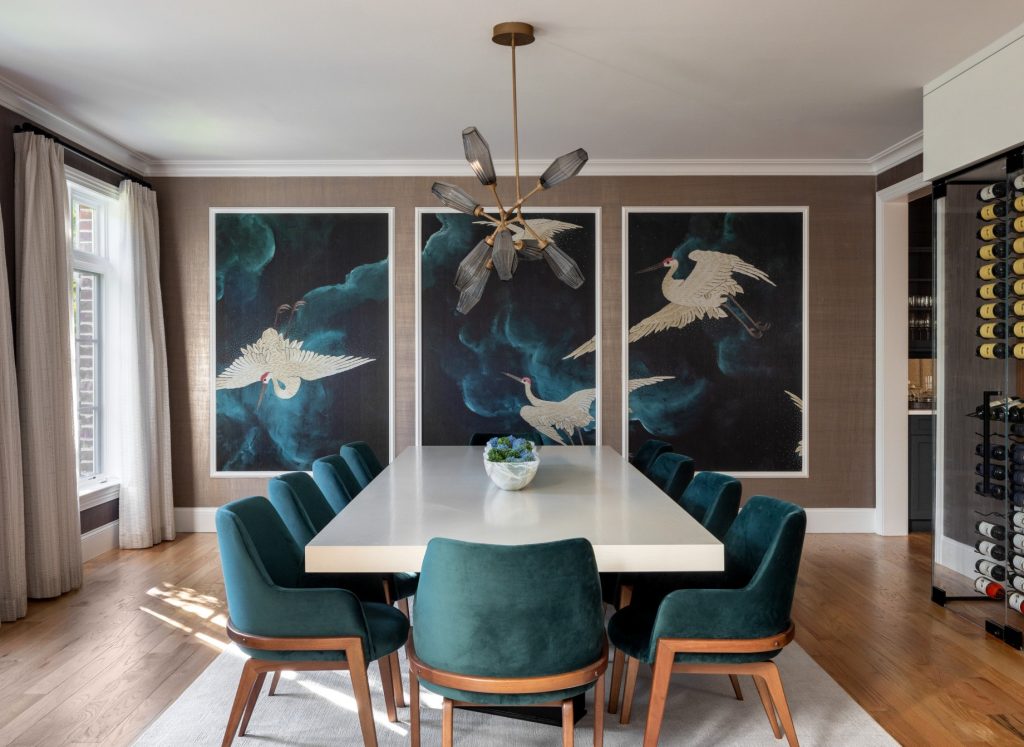
Contemporary blown glass lighting draws inspiration from legendary Murano glassmakers and mid-century Italian designers who elevated functional objects into art. Hand-blown glass elements are inspired by mid-century Italian designers who treated lamps like sculptural art pieces worthy of gallery display. This philosophical approach views lighting as an opportunity for creative expression rather than mere utility.
The Murano tradition, spanning centuries on a small Venetian island, established glass blowing as a respected art form requiring years of apprenticeship to master. Italian masters developed techniques for creating impossibly thin glass, vibrant color formulations, and complex decorative elements that remain unmatched today. Their commitment to pushing technical boundaries while maintaining aesthetic beauty continues to influence contemporary artisans.
Mid-century designers like Venini, Seguso, and Barovier combined traditional Murano techniques with modernist sensibilities, creating fixtures that balanced organic forms with clean lines. They embraced asymmetry, celebrated material honesty, and rejected unnecessary ornamentation. These principles resonate strongly in today’s luxury lighting market, where discerning clients seek authenticity over mass-produced uniformity.
The philosophy of treating lamps as art objects transforms how we interact with lighting in our homes. Rather than viewing fixtures as purely functional necessities, this approach encourages you to select pieces that spark emotional responses and contribute meaningfully to your interior narrative. Each lighting choice becomes a curatorial decision that reflects your aesthetic values.
Celebrating intentional imperfections represents a fundamental shift from industrial manufacturing’s pursuit of flawless uniformity. Artisan glass makers view bubbles, swirls, and thickness variations as signatures of human craftsmanship rather than defects requiring correction. These characteristics prove the piece was shaped by skilled hands rather than stamped out by machines.
This embrace of imperfection aligns with broader design movements like wabi-sabi, which finds beauty in transience and imperfection. The slight asymmetry in a hand-blown shade or the unexpected color variation where two glass batches meet tells the story of its creation. These details invite closer inspection and deeper appreciation over time.
“The emotive design approach mixes rigid metal structures with soft, flowing glass forms to create pieces that feel alive and dynamic. This intentional contrast between materials generates visual tension that keeps the eye moving and the mind engaged, transforming functional lighting into experiential art.”
Modern artisans working in this tradition understand they’re not merely producing products but continuing a centuries-old conversation about craft, beauty, and human creativity. Each piece represents countless hours of skill development, material experimentation, and artistic refinement. This heritage adds intangible value that transcends the physical object.
Exploring contemporary lighting trends guide reveals how historical influences continue shaping current design directions. The cyclical nature of design means traditional techniques often find new relevance as counterpoints to digital uniformity and mass production. Handcrafted glass lighting satisfies a growing hunger for authentic, meaningful objects in our increasingly virtual world.
Explore our blown glass designs
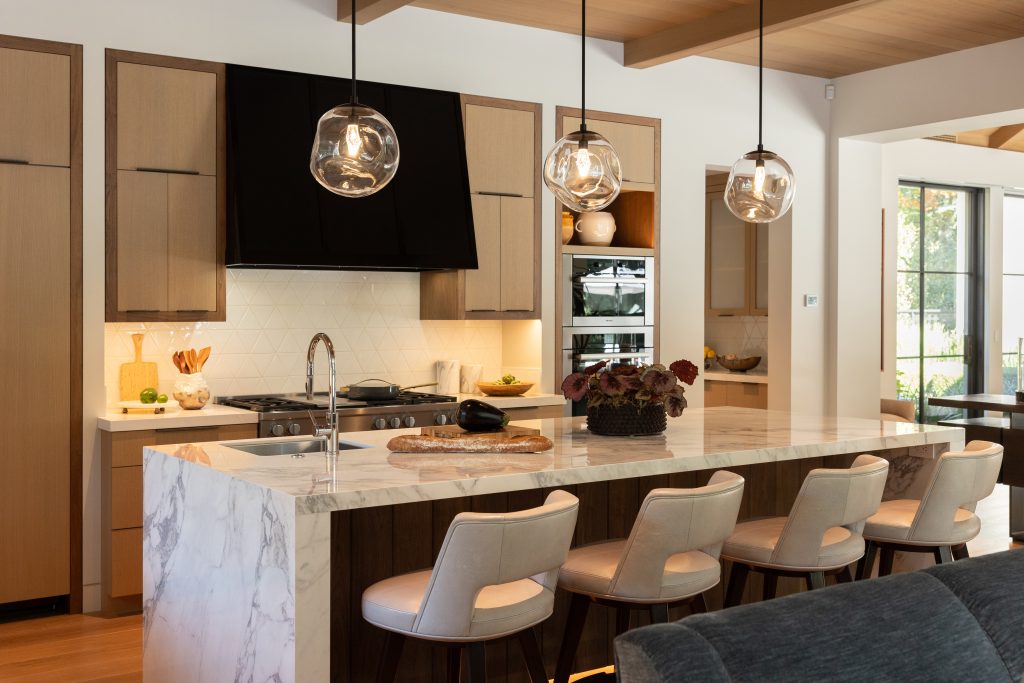
After discovering how glass blowing creates uniquely beautiful lighting, you’re ready to explore pieces that bring this artistry into your home. Hammerton Studio specializes in artisan crafted lighting that showcases American craftsmanship and innovative design thinking. Our collections feature hand-blown glass elements paired with expertly finished metalwork, creating fixtures that function as sculptural focal points.
Our design team collaborates with you to specify exact customizations that align with your vision, from glass color blends to metal finishes and structural proportions. With over 25 years of experience pushing the boundaries of decorative lighting, we understand how to balance artistic expression with functional requirements. Every fixture ships within weeks, handcrafted by our team of over 150 artisans in our Salt Lake City facility. Browse our collections to discover how handcrafted glass lighting can transform your interior into a space that reflects your appreciation for authentic artisan craftsmanship.
FAQ
What is mouth-blown glass in lighting?
Mouth-blown glass refers to glass shaped by artisans who blow air through a tube into molten glass, creating organic forms with unique patterns and textures. This traditional technique produces bubbles, swirls, and color variations that make each piece distinct. Unlike machine-made glass with uniform appearance, mouth-blown glass celebrates subtle imperfections as signatures of handcraftsmanship. The process requires years of skill development to control glass temperature, thickness, and form while maintaining structural integrity. These characteristics make mouth-blown glass ideal for hand finished lighting that serves as functional art.
How long does it take to make a hand-blown glass lamp?
Each lamp requires 10 to 12 weeks to fabricate across multiple specialized workshops, highlighting the precision and care involved in artisan production. Glass blowers shape the initial forms, metalworkers craft complementary frames, and finishing specialists assemble components with meticulous attention to detail. This extended timeline ensures each element receives expert treatment from artisans who focus exclusively on their craft discipline. The collaborative process elevates the final product beyond what any single workshop could achieve, resulting in museum-quality lighting that justifies the investment of time and skill.
Can I customize glass blown lighting for my home?
Customization for cable, ceiling rose design, and wiring choices is available to fit various aesthetic and functional needs. You can specify cable styles ranging from vintage twisted fabric to modern sleek cords, ceiling rose designs that match or contrast with your architecture, and wiring compatible with US or UK electrical standards. Beyond these basics, many artisan lighting makers offer custom glass colors, metal finishes, and structural proportions tailored to your space. Consulting with designers at companies like Hammerton for custom lighting solutions ensures your fixture integrates seamlessly with your overall design vision while maintaining the handcrafted character that makes glass blown lighting special.
What lighting is best for mouth-blown glass lamps?
Dim light bulbs are recommended to accentuate individual glass character and emphasize subtle features like bubbles, swirls, and color variations. Lower wattage bulbs between 25 and 40 watts for incandescent equivalents create intimate ambiance while preventing the harsh brightness that washes out delicate details. LED bulbs with warm color temperatures between 2700K and 3000K complement amber and clear glass beautifully, while cooler temperatures around 4000K enhance blue or green glass tones. Installing dimmer switches gives you complete control over how much detail you reveal, allowing your fixture to serve as both functional lighting and glowing sculpture depending on the occasion and mood you want to create.
Recommended
- Hammerton Studio | Design Leading American Artisan Crafted Lighting
- 7 Stunning Examples of Luxury Lighting | Hammerton Studio
- Living Room Light Fixture Ideas for Luxury Homes | Hammerton Studio
- Hand Finished Lighting for Luxury Interiors | Hammerton Studio
aRE YOU A TRADE PROFESSIONAL?
At Hammerton, we know what it takes to deliver exceptional design on tight timelines. Our Trade Account Program offers exclusive discounts, product access, and dedicated support to help you stay ahead.
APPLY NOW and simplify your workflow from concept to completion.