Handcrafted Metal Lighting: Elevating Luxury Homes
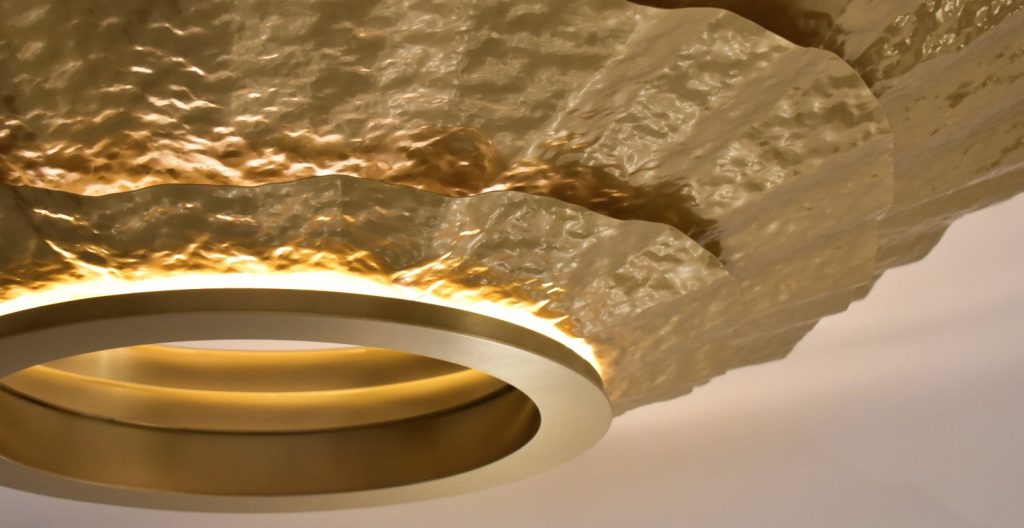
Finding lighting that matches the elegance and individuality of a luxury home is never simple. Discerning homeowners recognize that ordinary fixtures do not reflect their personal taste or appreciation for exquisite craftsmanship. Handcrafted metal lighting stands out by combining visual artistry with engineered precision, offering sculptural statements that transform interiors. Discover how these distinctive lighting styles bring both technical brilliance and timeless sophistication to the most refined living spaces in the United States.
Table of Contents
- Defining Metalwork Lighting Styles
- Types of Metalwork Lighting Fixtures
- Artisan Craftsmanship and Key Features
- Materials, Finishes, and Design Trends
- Practical Benefits and Common Pitfalls
Key Takeaways
| Point | Details |
|---|---|
| Metalwork Lighting Characteristics | Metalwork lighting blends precision fabrication with artistic expression, utilizing the unique properties of metals like brass, copper, and stainless steel to enhance both aesthetics and functionality. |
| Diverse Fixture Types | Common types of metalwork lighting, such as pendant lights and chandeliers, enable designers to create unique visual impacts while meeting specific illumination needs. |
| Artisan Craftsmanship Importance | Quality metalwork lighting reflects a commitment to craftsmanship, where attention to detail and material selection elevate fixtures into artistic statements. |
| Practical Benefits and Considerations | Investing in metalwork lighting enhances energy efficiency and property value, but requires careful consideration of material compatibility, fixture placement, and maintenance for optimal performance. |
Handcrafted Metal Lighting Styles
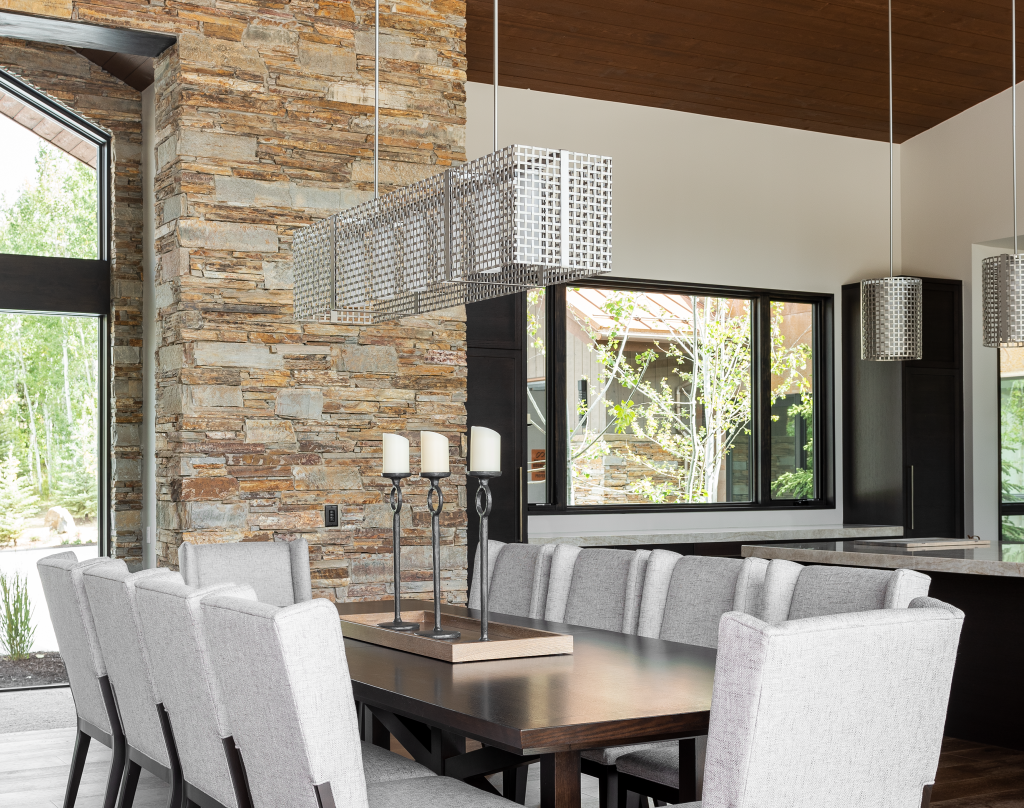
Handcrafted metal lighting represents a sophisticated intersection of artistic design and functional engineering, transforming spaces through intricate craftsmanship. These lighting styles are more than mere illumination sources – they are sculptural statements that reflect architectural personality and design intention.
At their core, metalwork lighting styles encompass a range of techniques and aesthetic approaches that leverage metal’s inherent qualities. These fixtures blend visual performance with artistic expression. The core characteristics typically include:
- Precision fabrication techniques
- Unique metal finishes and textures
- Structural integrity and design complexity
- Ability to manipulate light through metal’s reflective properties
Professional lighting designers understand that metalwork styles are not uniform but exist across a nuanced spectrum. Some designs embrace industrial minimalism with clean lines and exposed metal structures, while others incorporate intricate scrollwork and ornate details reminiscent of historical architectural movements.
The engineering principles behind metalwork lighting are equally fascinating. Their thermal and optical properties dramatically influence light distribution, shadow patterns, and overall ambiance. Designers strategically select metals like brass, steel, copper, and aluminum not just for aesthetic reasons, but for their unique light-modulating capabilities.
Pro tip: When selecting metalwork lighting, consider how the fixture’s metal finish and cutout patterns will interact with your room’s existing architectural elements and color palette.
Types of Metalwork Lighting Fixtures
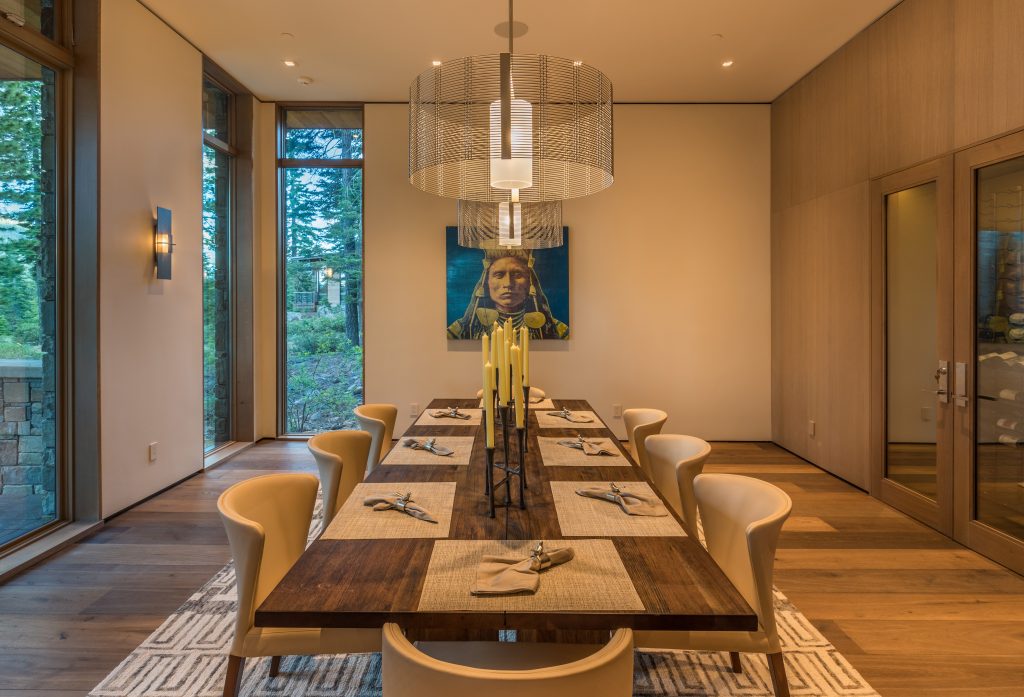
Handcrafted metal lighting transforms functional illumination into an artistic expression. Light fixture classifications reveal multiple categories that showcase metal’s versatility in creating stunning lighting solutions across residential and commercial environments.
The primary types of metal lighting include:
- Pendant Lights: Hanging fixtures that create dramatic vertical visual impact
- Wall Sconces: Decorative wall-mounted pieces that provide directional illumination
- Chandeliers: Elaborate overhead fixtures featuring complex metal structures
- Floor Lamps: Free-standing metalwork pieces that serve both lighting and sculptural purposes
- Recessed Lighting: Minimalist metal-framed fixtures integrated seamlessly into ceilings
Each fixture type offers unique design possibilities, with metal serving as more than just a structural material. Different metals like brass, copper, steel, and aluminum can be manipulated to create a distinct aesthetic with functional characteristics.
Consider metal’s inherent properties when selecting your fixtures. Copper might provide warm, organic tones, while stainless steel offers a more contemporary, industrial aesthetic. The interplay between metal composition, surface finish, and light transmission creates nuanced visual experiences that elevate interior spaces.
Here’s a summary of how common metals influence lighting fixture aesthetics and function:
| Metal Type | Visual Effect | Design Application | Durability Level |
|---|---|---|---|
| Brass | Warm, golden glow | Classic, elegant designs | High |
| Stainless Steel | Sleek, reflective finish | Modern, minimalist spaces | Very High |
| Copper | Rich, organic patina | Transitional, rustic looks | Moderate to High |
| Aluminum | Light, matte or shiny | Industrial, versatile uses | Moderate |
| Bronze | Dark, textural surfaces | Traditional or artisan pieces | High |
Pro tip: Select fixtures that complement your space’s existing architectural elements and create intentional visual dialogue between form and function.
Artisan Craftsmanship and Key Features
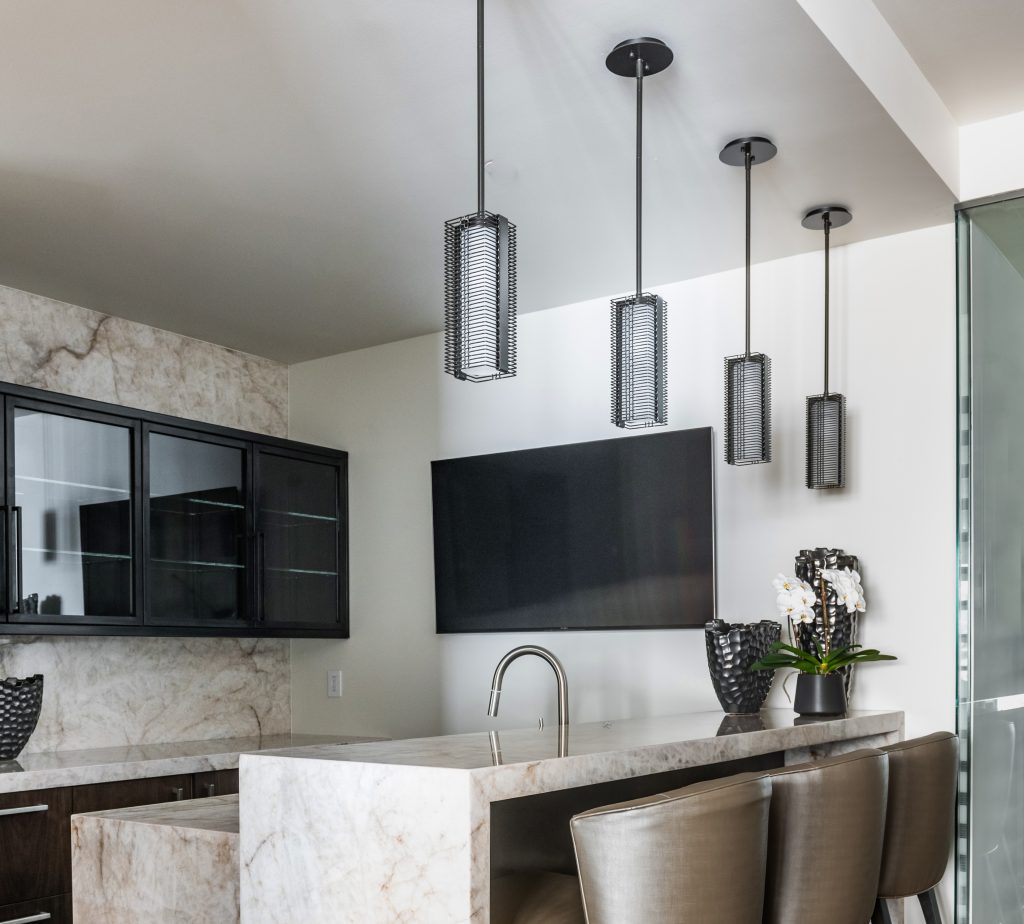
Artisan craftsmanship is a profound commitment to design excellence that transcends mass production techniques. Each light fixture becomes a unique artistic statement, celebrating the skill and creativity of individual craftspeople.
The key features of exceptional metalwork lighting craftsmanship include:
- Hand-hammered surface textures
- Precision metalworking techniques
- Integration of traditional and contemporary design elements
- Intentional material selection
- Meticulous attention to structural and aesthetic details
- Emphasis on material integrity and functional beauty
True artisan craftsmanship goes beyond mere technical skill. It involves a holistic approach that respects material properties and explores innovative design techniques. The interplay between traditional metalworking methods and contemporary design sensibilities allows for the creation of lighting designs that are simultaneously timeless and cutting-edge.
Pro tip: When selecting artisan metalwork lighting, examine the piece closely and appreciate the subtle details that reveal the craftsperson’s unique touch and dedication to their art.
Materials, Finishes, and Design Trends
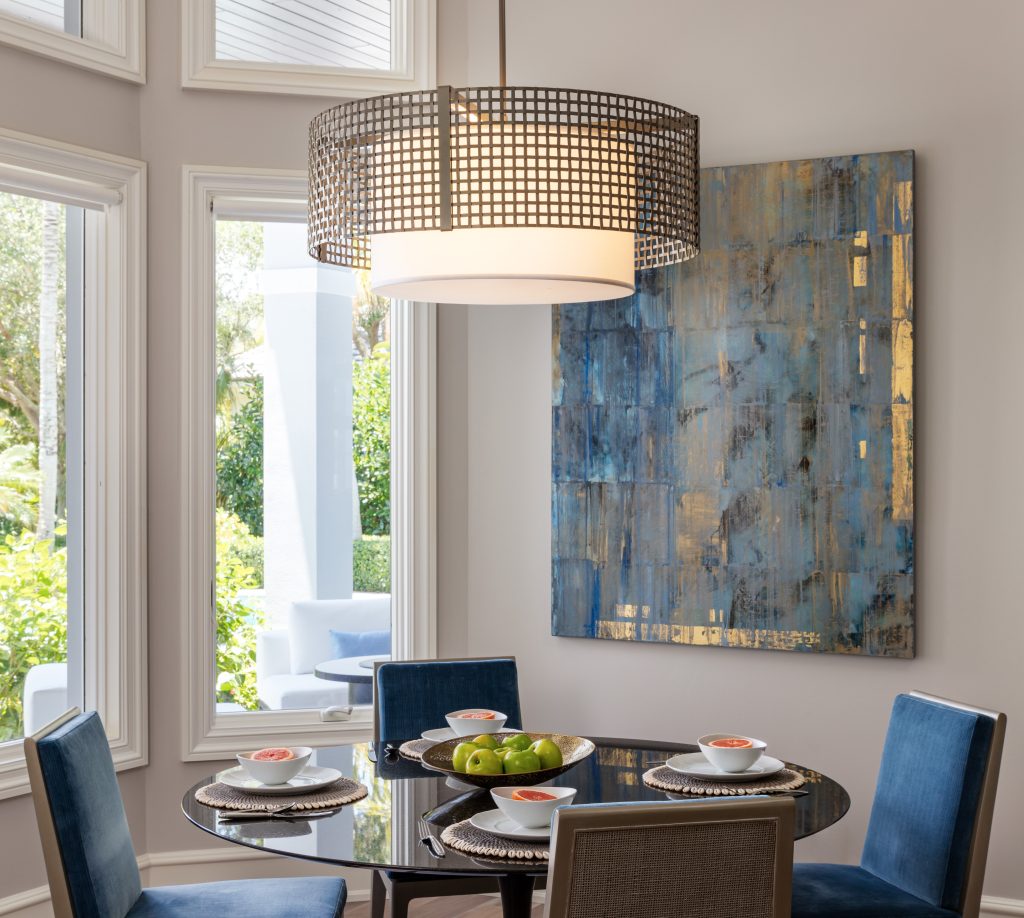
Handcrafted metal lighting design is a sophisticated fusion of material science and artistic vision. The intricate possibilities of metal manipulation transform lighting fixtures from mere functional objects to stunning design statements.
The most compelling metalwork lighting materials and finishes include:
- Brushed brass with warm, organic undertones
- Polished stainless steel for contemporary minimalism
- Antique copper with rich patina development
- Hand-hammered bronze with textural complexity
- Powder-coated metals for durability and color variation
- Electroplated finishes with extraordinary surface qualities
Contemporary trends emphasize sustainable materials that balance aesthetic elegance with performance, allowing designers to create fixtures that are simultaneously beautiful and functional.
Material selection is an intentional art form. Each metal finish tells a unique story, communicating design philosophy through subtle textures, reflective qualities, and chromatic nuances. The interplay between material properties and design intent transforms lighting from a purely functional element into a profound artistic expression.
Pro tip: Select metalwork lighting with finishes that complement your space’s existing color palette and architectural character, creating a harmonious visual dialogue.
Practical Benefits and Common Pitfalls
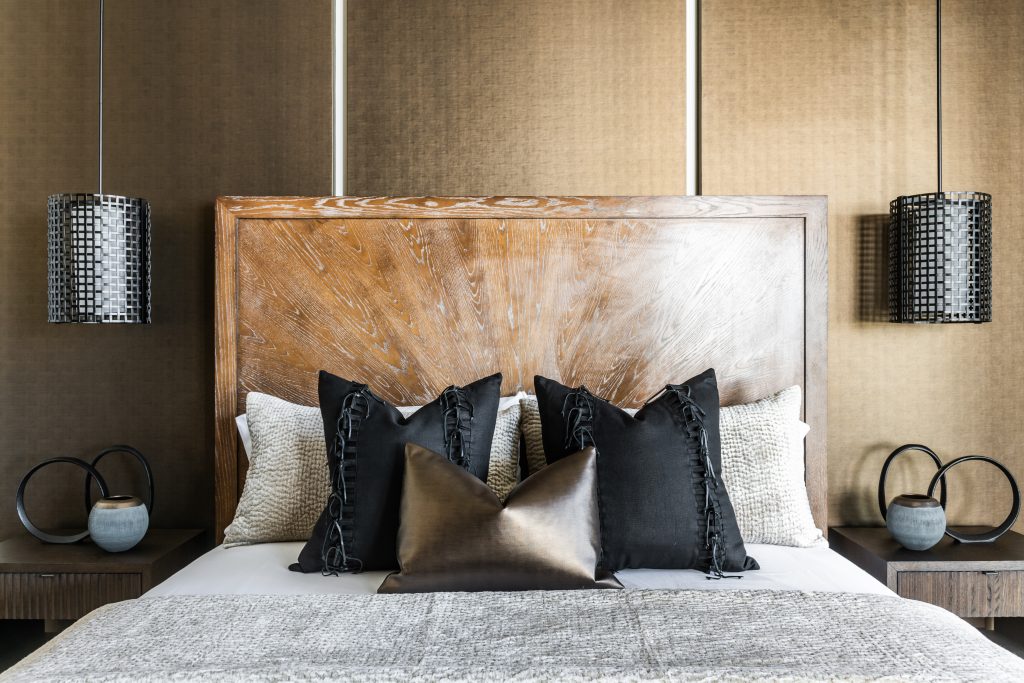
Metalwork lighting is an investment in both aesthetic and functional home design, offering significant advantages when strategically implemented. Modern metalwork lighting can dramatically reduce household energy consumption while enhancing visual environments.
The primary practical benefits of sophisticated metalwork lighting include:
- Substantial long-term energy cost savings
- Enhanced visual comfort and ambient atmosphere
- Increased property value through design sophistication
- Improved architectural aesthetics
- Durability and extended fixture lifespan
- Customizable lighting experiences
Understanding technical requirements like proper fixture placement, appropriate light intensity, and compatibility with existing architectural elements is important.
Successful metalwork lighting implementation requires a holistic approach. This means considering not just the fixture’s appearance, but its interaction with space, energy efficiency, maintenance requirements, and long-term performance. Thoughtful selection involves understanding how metalwork lighting can transform environments while avoiding potential design compromises.
The following table highlights key considerations when choosing metalwork lighting fixtures:
| Consideration | Why It Matters | Potential Impact |
|---|---|---|
| Material Compatibility | Ensures cohesive interiors | Enhances design continuity |
| Finish Maintenance | Impacts longevity and upkeep | Reduces long-term costs |
| Fixture Placement | Affects lighting effectiveness | Optimizes space functionality |
| Energy Efficiency | Decreases utility expenses | Promotes sustainability |
Pro tip: Consult lighting design professionals who can provide precise measurements and technical insights to ensure your metalwork lighting perfectly integrates aesthetic vision with functional performance.
Elevate Your Home with Artisan Metalwork from Hammerton
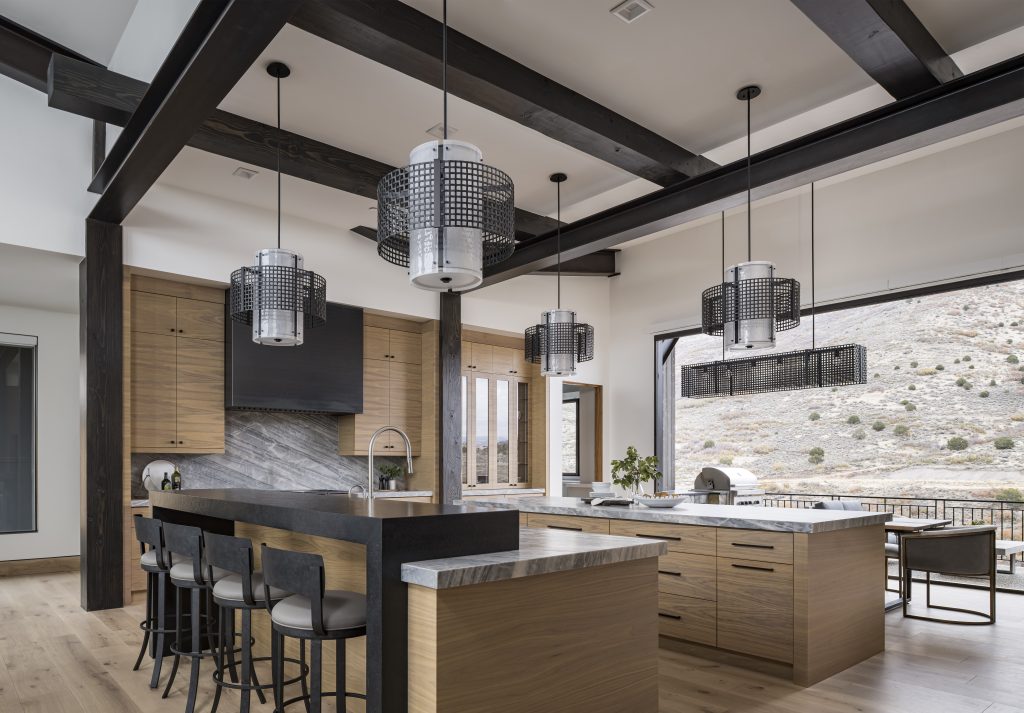
Handcrafted metal lighting demands a seamless balance between inspiring design and flawless craftsmanship to truly transform luxury homes. The challenge lies in selecting fixtures that not only complement architectural elements but also offer durability, energy efficiency, and a powerful artistic presence. At Hammerton, we create solutions for these pain points. We combine precision metalwork, authentic artisan techniques, and innovative design to bring your spaces to life with lighting that is both functional and sculptural.
Each piece is crafted in America with meticulous attention to detail and ships in just weeks. Let our team guide you in selecting lighting that perfectly blends aesthetic elegance with practical performance.
Frequently Asked Questions
What are the main types of metalwork lighting fixtures?
The primary types include pendant lights, wall sconces, chandeliers, floor lamps, and recessed lighting. Each type offers unique design possibilities and functional attributes to enhance a space.
How do different metals influence the aesthetics of lighting fixtures?
Different metals like brass, stainless steel, copper, aluminum, and bronze offer distinct visual effects, design applications, and durability levels, impacting the overall aesthetic and functionality of the lighting fixture.
What are the benefits of choosing artisan-crafted metalwork lighting?
Artisan-crafted lighting fixtures not only showcase unique designs and exceptional craftsmanship but also prioritize material integrity and functional beauty, resulting in pieces that serve as both art and utility.
What practical considerations should I keep in mind when selecting metalwork lighting?
Consider factors such as material compatibility, finish maintenance, fixture placement, and energy efficiency to ensure your lighting integrates well within your space while enhancing its aesthetic and functionality.
ARE YOU A TRADE PROFESSIONAL?
At Hammerton, we know what it takes to deliver exceptional design on tight timelines. Our Trade Account Program offers exclusive discounts, product access, and dedicated support to help you stay ahead.
APPLY NOW and simplify your workflow from concept to completion.