How to Budget for Luxury Lighting: A Step-by-Step Guide
Most American homeowners are surprised to learn that luxury lighting can account for as much as 20 percent of a renovation budget. Achieving the perfect ambiance in every room requires more than simply picking out stylish fixtures. With so many choices, hidden costs, and technical features, making the right decisions is crucial. This guide unpacks how to clarify your design goals, select the right brands, and set a budget for an elevated lighting scheme.
Table of Contents
- Step 1: Define Your Lighting Needs And Design Goals
- Step 2: Research Luxury Lighting Options And Brands
- Step 3: Estimate Fixture And Installation Costs
- Step 4: Set A Realistic Lighting Budget
- Step 5: Evaluate Options And Finalize Your Selections
- Step 6: Verify Value, Functionality And Adjust Allocations
Quick Summary
| Key Point | Explanation |
|---|---|
| 1. Define lighting needs carefully | Assess each room’s function and features to set clear lighting objectives. |
| 2. Research luxury lighting brands | Explore brands’ craftsmanship and design philosophy for informed choices. |
| 3. Break down costs effectively | Categorize fixture and installation costs to maintain budget clarity. |
| 4. Set a realistic budget percentage | Allocate 10-20% of your total project budget specifically for lighting. |
| 5. Evaluate selections systematically | Create a decision matrix to compare options across important criteria. |
Step 1: Define your lighting needs and design goals
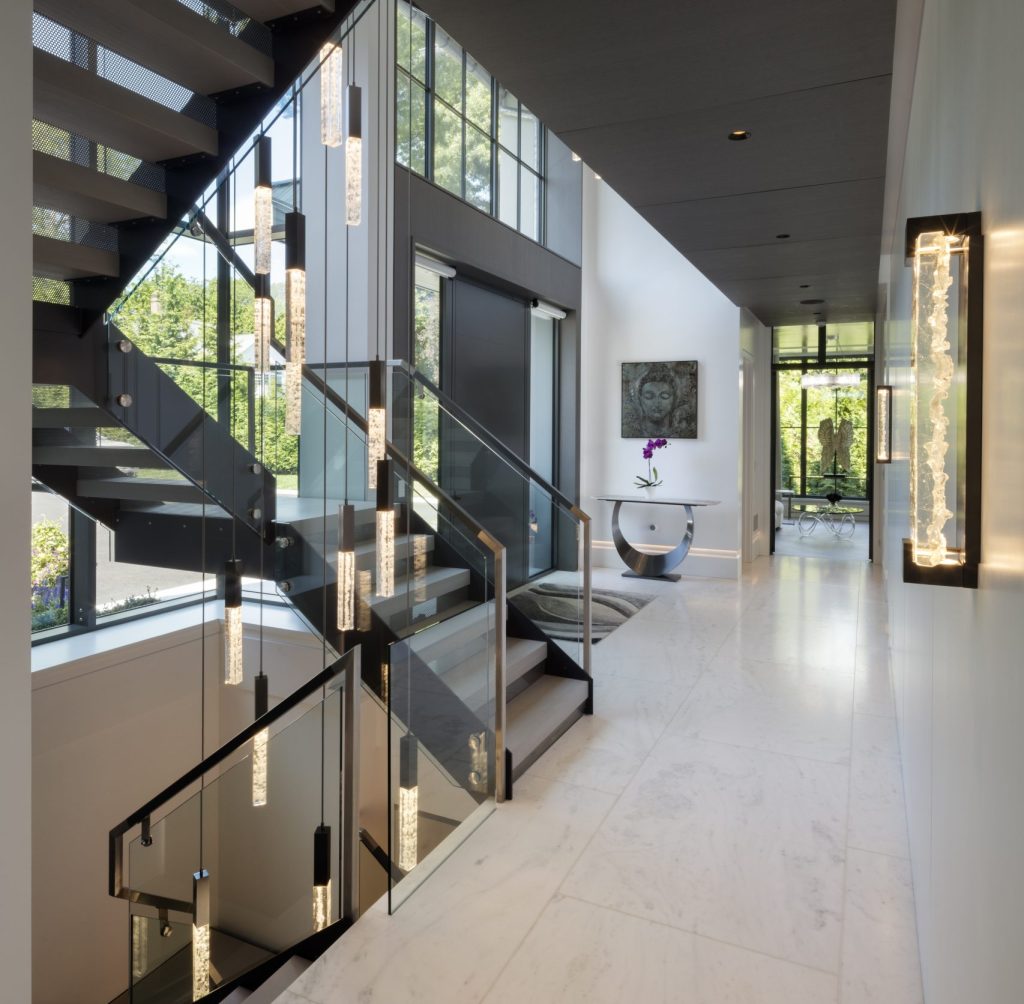
Defining your lighting needs and design goals forms the critical foundation for creating a successful luxury lighting budget. Strategic planning significantly enhances both aesthetic and functional outcomes.
Begin by conducting a comprehensive room-by-room assessment of your current lighting infrastructure. Consider the primary functions of each space: Does your kitchen require task lighting for food preparation? Will your living room benefit from ambient mood lighting? Evaluate architectural features like ceiling height, room dimensions, and existing color schemes that might influence your lighting selections. Sketch rough layouts or use digital design tools to visualize potential lighting placements.
Next, establish clear aesthetic and practical objectives. Luxury lighting transcends mere illumination it sculpts spatial experiences. Determine whether you want dramatic statement pieces that serve as sculptural art or more understated fixtures that seamlessly integrate with your interior design. Understand the emotional atmosphere you want to create warm and intimate, crisp and modern, or elegantly dramatic.
Pro tip: Create a mood board combining lighting reference images, color swatches, and room layout sketches to crystallize your design vision before allocating budget resources.
Step 2: Research luxury lighting options and brands
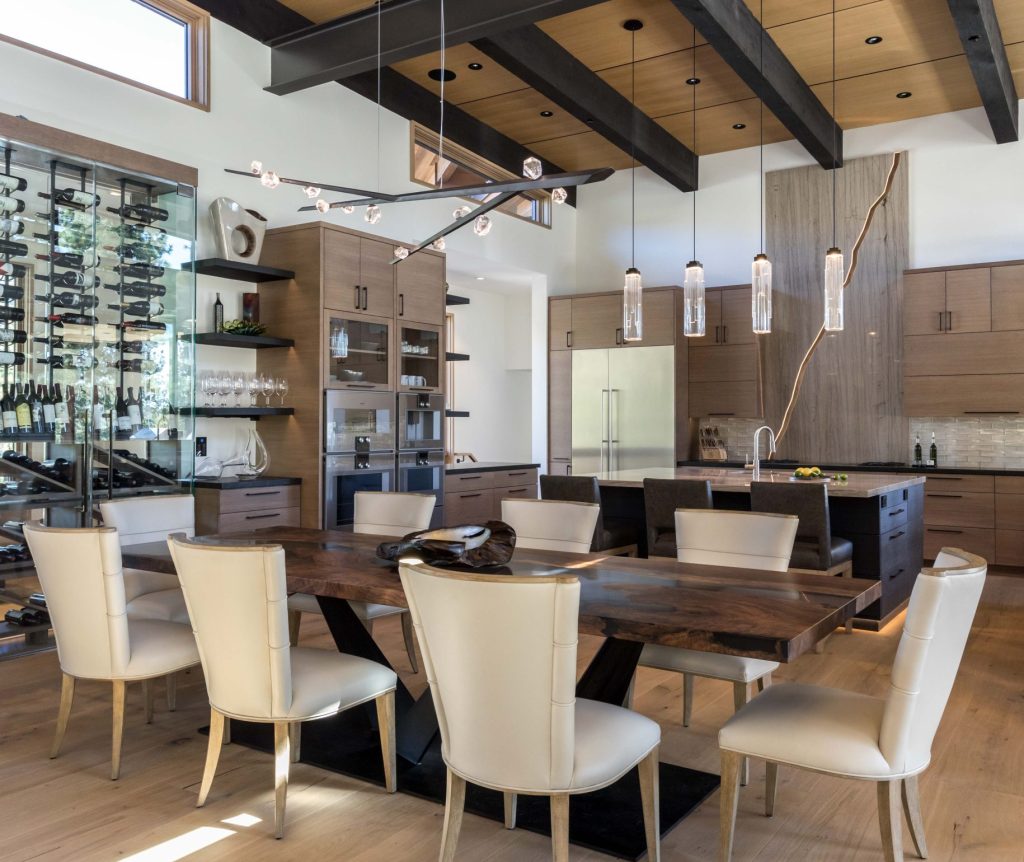
Researching luxury lighting options requires a strategic approach to understanding the diverse landscape of design and craftsmanship. Innovative design companies demonstrate the artistic potential of contemporary lighting solutions that transform spaces beyond mere illumination.
Begin your research by exploring established luxury lighting brands known for exceptional craftsmanship and design innovation. Look for manufacturers with robust portfolios that showcase versatility across different design aesthetics like modern minimalist, classic elegance, or avant garde statement pieces. Pay attention to materials used and examine how these elements contribute to overall design quality. Investigate the brands heritage; understanding their design philosophy and manufacturing processes can provide insights into the potential longevity and artistic value of their lighting collections.
Utilize multiple research channels to build a comprehensive understanding. Visit luxury design showrooms, attend interior design exhibitions, consult specialized design magazines, and explore online platforms featuring curated collections.
Pro tip: Create a digital inspiration folder with screenshots and notes from your research to track design trends and compile a shortlist of potential lighting brands that align with your aesthetic vision.
Step 3: Estimate fixture and installation costs
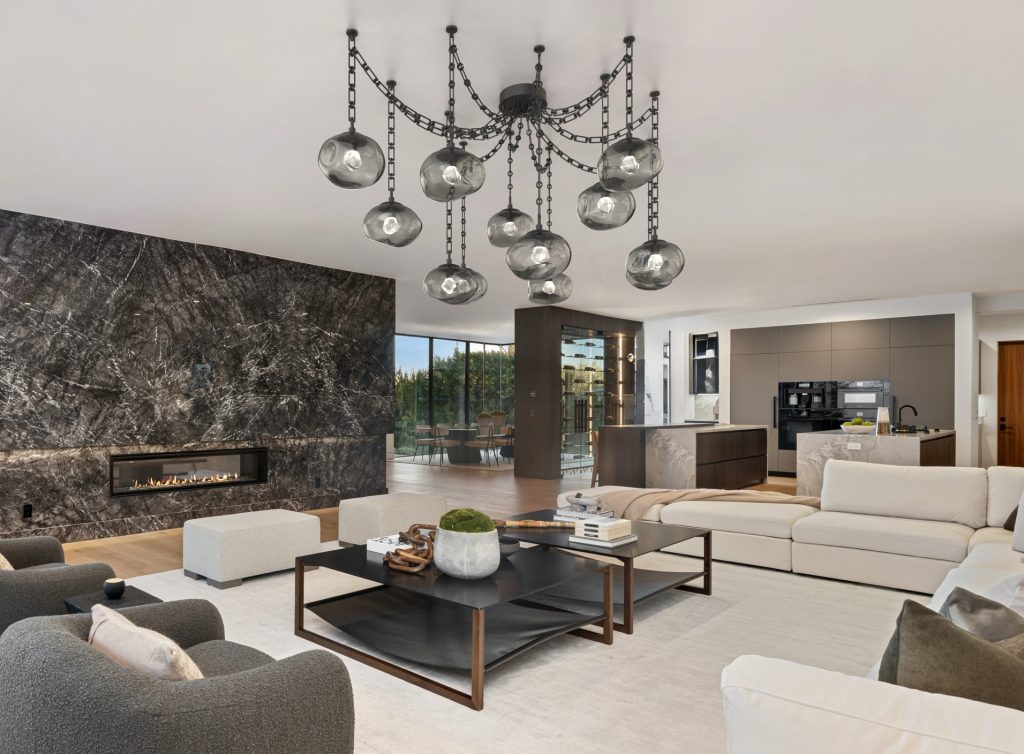
Estimating fixture and installation costs requires a comprehensive approach that balances design aspirations with financial realities.
Break down your cost estimation into distinct categories. Fixture costs will vary dramatically based on design complexity handcrafted artisan pieces will command significantly higher prices compared to standard production models. Consider not just the initial purchase price but also long term energy efficiency and potential maintenance expenses. Installation costs typically include electrical work, hardware mounting, specialized wiring, and potentially structural modifications. Professional electricians generally charge between 50 and 100 dollars per hour with complex installations potentially requiring multiple days of work.
Research comprehensive pricing strategies by consulting professional lighting engineering standards that provide structured guidelines for evaluating lighting investments. Factor in additional expenses like custom mounting hardware, specialized electrical work, and potential structural adjustments to your space. Request detailed quotes from multiple professionals to understand the full spectrum of potential costs and ensure you are not overlooking critical installation requirements.
Pro tip: Create a comprehensive spreadsheet tracking fixture costs installation estimates electrical work and potential additional expenses to maintain clear financial visibility throughout your lighting project.
Step 4: Set a realistic lighting budget
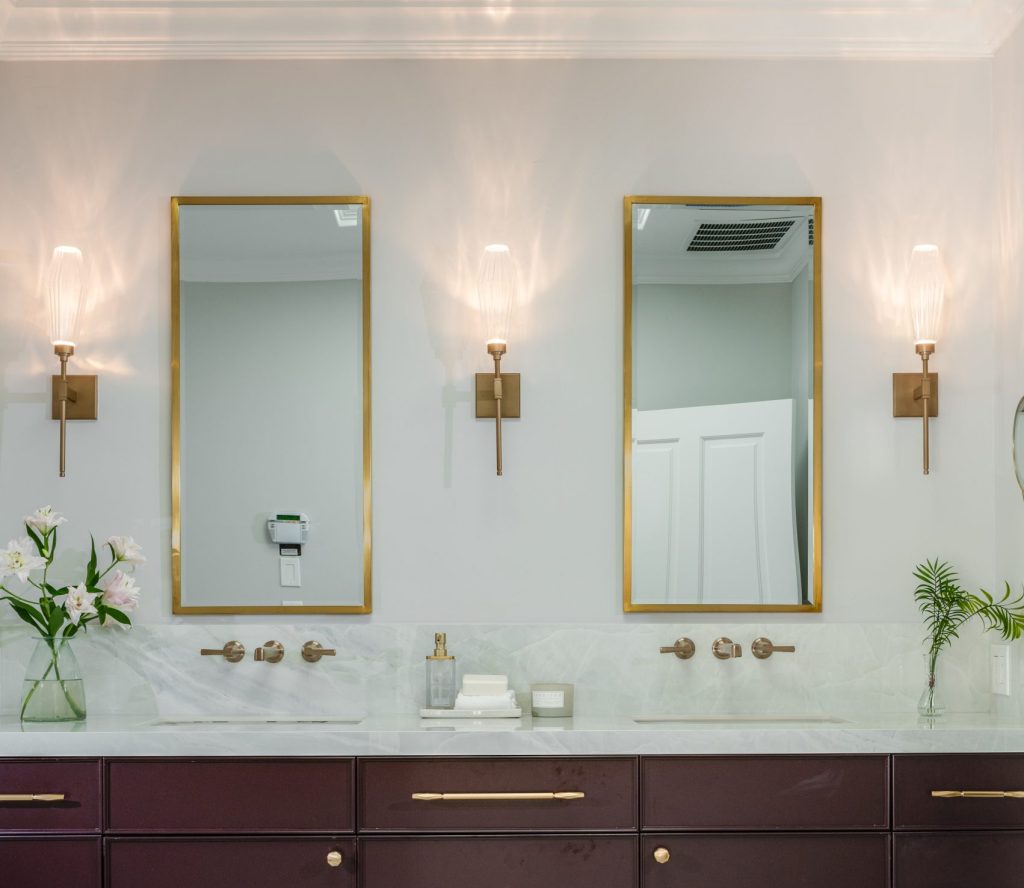
Setting a realistic budget requires thoughtful analysis of your design aspirations balanced against practical financial constraints.
Start by establishing a percentage based budget relative to your overall room renovation or design project. Luxury lighting experts recommend allocating approximately 10 to 20 percent of your total room design budget specifically for lighting. This range allows flexibility for exceptional statement pieces while preventing overspending. Consider breaking down your budget into categories like fixture costs, installation expenses, energy efficiency, and long term maintenance. Factor in both the aesthetic and functional requirements of each lighting installation understanding that high quality pieces represent an investment in your spaces visual and emotional experience.
Research comprehensive pricing strategies by consulting professional lighting engineering standards that provide structured guidelines for evaluating lighting investments. Remember that luxury lighting is all about creating a cohesive design strategy that enhances your spaces architectural qualities. Be prepared to make strategic compromises, perhaps investing more in key focal point areas while selecting more economical options for supplementary lighting zones.
Pro tip: Create a buffer of 15 to 20 percent in your lighting budget for unexpected expenses or last minute design adjustments to provide financial flexibility throughout your project.
Here’s a summary of key budgeting considerations for luxury lighting projects:
| Budget Factor | Description | Typical Range |
|---|---|---|
| Percentage of Room Budget | Proportion allocated to lighting | 10% – 20% of total budget |
| Installation Costs | Labor and hardware for secure fixture setup | $50 – $100 per hour (electrician) |
| Contingency Fund | Buffer for unforeseen expenses | 10% – 20% of lighting budget |
| Long-term Costs | Energy use and maintenance over time | Varies by fixture efficiency |
Step 5: Evaluate options and finalize your selections
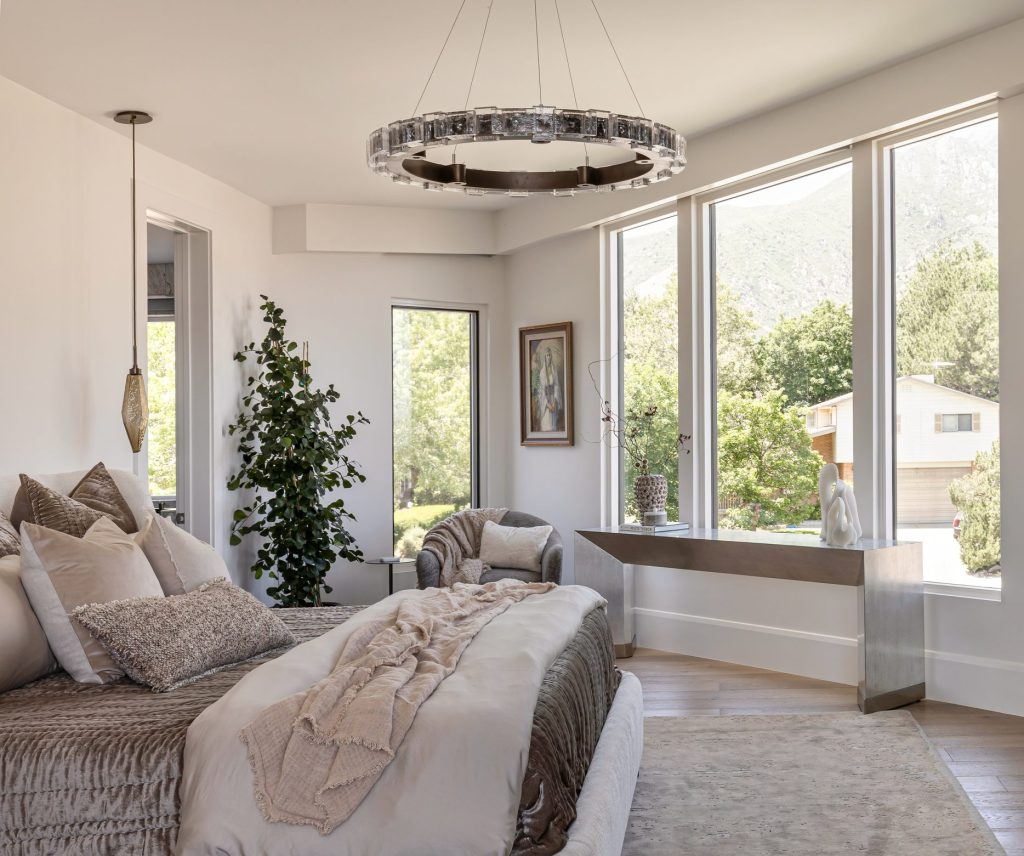
Evaluating luxury lighting options requires a meticulous approach that balances aesthetic vision with practical considerations. Advanced lighting design simulation technologies offer sophisticated methods for visualizing potential outcomes and comparing design alternatives before making final selections.
Develop a comprehensive evaluation framework that considers multiple dimensions of each lighting selection. Assess visual impact, spatial proportion, material quality, energy efficiency, and long term durability. Create side by side comparisons that highlight the unique characteristics of each fixture examining how they interact with your existing architectural elements. Consider how different materials and structural designs will complement your rooms overall aesthetic. Pay close attention to scale understanding that oversized or undersized fixtures can dramatically disrupt the visual harmony of a space.
Examine technical specifications like lumens, color temperature, energy consumption, and potential customization options. Request physical samples or digital renderings whenever possible to get a realistic sense of how the fixtures will actually look and perform in your specific environment.
Pro tip: Create a decision matrix scoring each potential lighting option across multiple criteria including aesthetic appeal, technical performance, budget alignment, and emotional impact to facilitate a systematic and objective selection process.
This table compares key criteria for selecting luxury lighting options:
| Selection Criteria | Description | Importance Level |
|---|---|---|
| Visual Impact | How striking the fixture appears in context | High |
| Material Quality | Durability and finish of lighting components | High |
| Energy Efficiency | Energy consumption and sustainability | Medium |
| Technical Performance | Specs like lumens and color temperature | Medium to High |
Step 6: Verify value, functionality, and adjust allocations
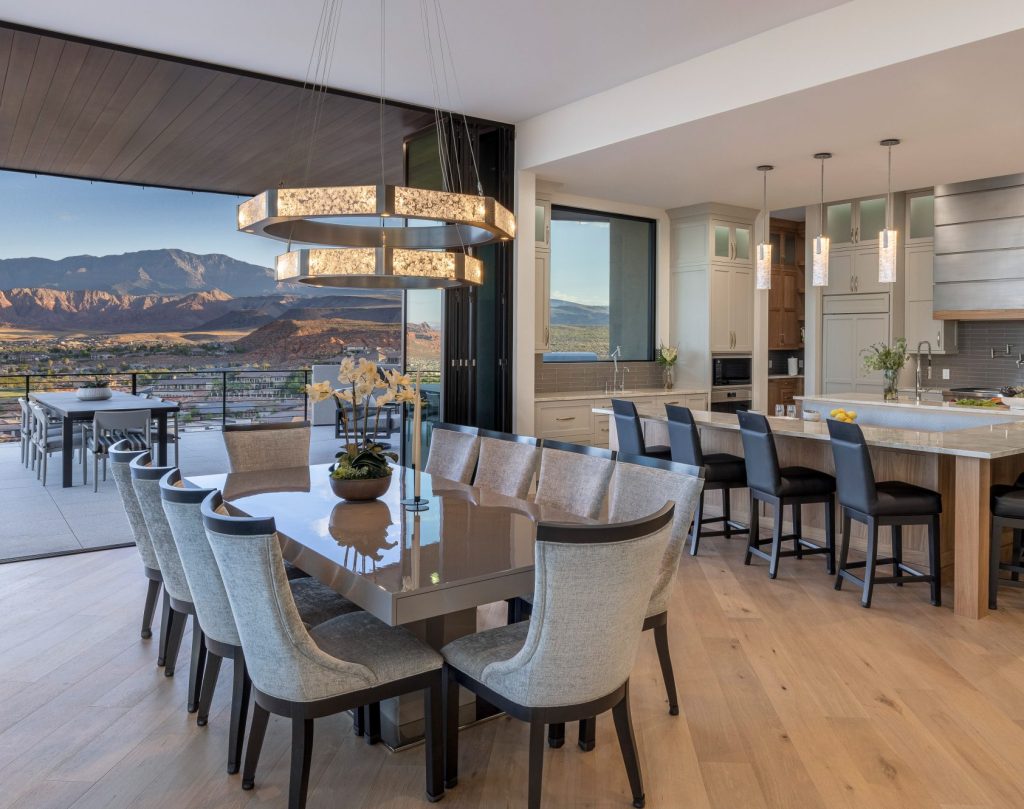
Conduct a comprehensive functional analysis that goes beyond aesthetic considerations. Evaluate each lighting selection against key performance metrics including illumination quality, energy efficiency, spatial coverage, and integration with existing architectural elements. Examine how individual fixtures contribute to the overall lighting ecosystem considering factors like color rendering index, beam spread, and potential glare reduction. Look critically at the relationship between initial investment and long term value understanding that premium lighting solutions often provide superior durability, reduced maintenance costs, and enhanced visual experiences.
Be prepared to make strategic reallocations if necessary. Consider reallocating funds based on prioritizing statement pieces in primary living areas while selecting more economical options for supplementary spaces. Remember that thoughtful reallocation is not about reducing quality but optimizing your overall lighting design strategy.
Pro tip: Create a contingency fund of 10 to 15 percent within your lighting budget to allow flexible adjustments and accommodate unexpected design opportunities or technical requirements during the implementation process.
Elevate Your Luxury Lighting Budget with American Craftsmanship
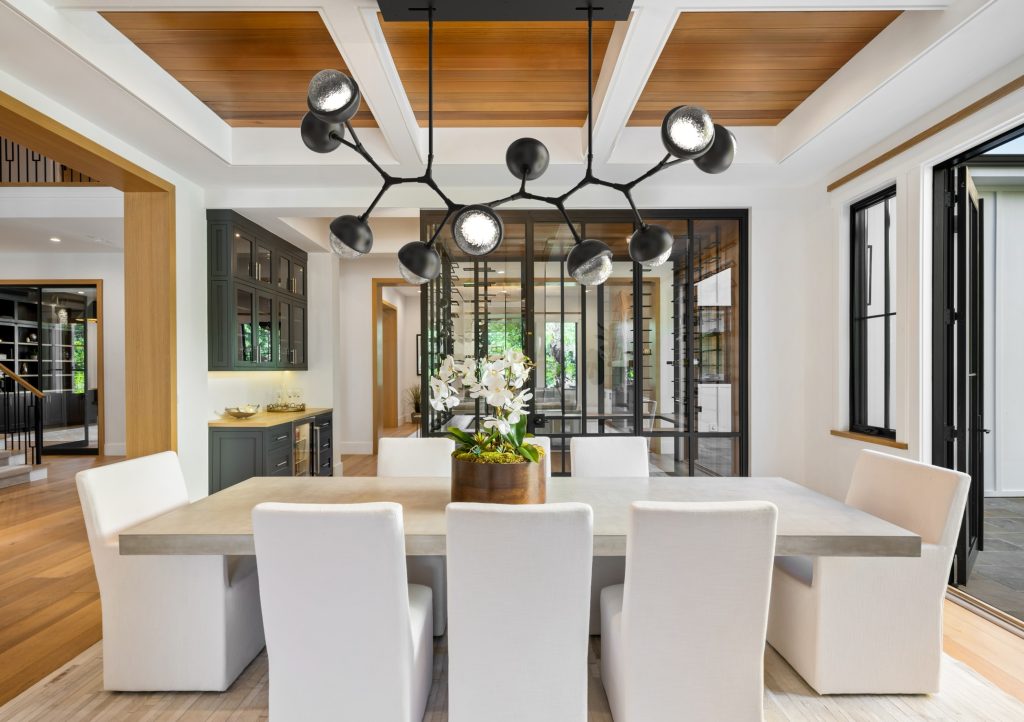
Budgeting for luxury lighting involves balancing visionary design goals with practical financial planning. The challenge lies in selecting exceptional pieces that transform spaces while ensuring every investment reflects lasting value and meticulous artistry. If your goal is to create dramatic statement fixtures or seamless ambient additions, understanding cost implications, craftsmanship quality, and installation needs is essential.
At Hammerton, we bring over 30 years experience in American artisan craftsmanship, allowing us to seamlessly bring lighting visions to life without compromise. Each fixture combines authentic materials with innovative design, offering extraordinary value that aligns with budget priorities and aesthetic aspirations. From standard Hammerton crystal glass and metalwork to customization options that exceed expectations, our solutions support your step-by-step budgeting process outlined in the guide.
Discover how Hammerton can turn your luxury lighting plan into reality.
Start your journey toward exceptional lighting design by exploring our handcrafted collections at Hammerton Studio. Visit us today to build a lighting solution that perfectly fits your space and budget.
Frequently Asked Questions
How do I assess my lighting needs for luxury lighting budgeting?
To assess your lighting needs, conduct a room-by-room evaluation of your current lighting setup. Identify the primary functions of each space and consider architectural features that might affect your lighting choices.
What percentage of my total room design budget should I allocate to luxury lighting?
A good rule of thumb is to allocate 10 to 20 percent of your total room design budget specifically for lighting. This approach allows you to invest in standout pieces while managing overall expenses.
How can I effectively research luxury lighting options and costs?
Start by exploring established luxury lighting brands and visiting design showrooms. Make a list of preferred styles and materials, and create a digital folder to track your findings and costs for easier comparison.
What factors should I consider when estimating fixture and installation costs?
Consider both the purchase price of fixtures and installation expenses such as electrical work and hardware mounting. Be mindful that installation can range from $50 to $100 per hour, so gather detailed quotes from multiple professionals to budget accurately.
How can I ensure I am making the best selections for my luxury lighting?
Use a decision matrix to evaluate each lighting option based on criteria like visual impact, material quality, and energy efficiency. This structured approach helps you compare choices systematically and finalize selections that align with your overall design goals.
What should I do if I need to adjust my luxury lighting budget during the project?
Maintain a contingency fund of 10 to 15 percent within your lighting budget to account for unexpected expenses or opportunities. Adjust allocations thoughtfully to prioritize key statement pieces without compromising quality throughout your project.
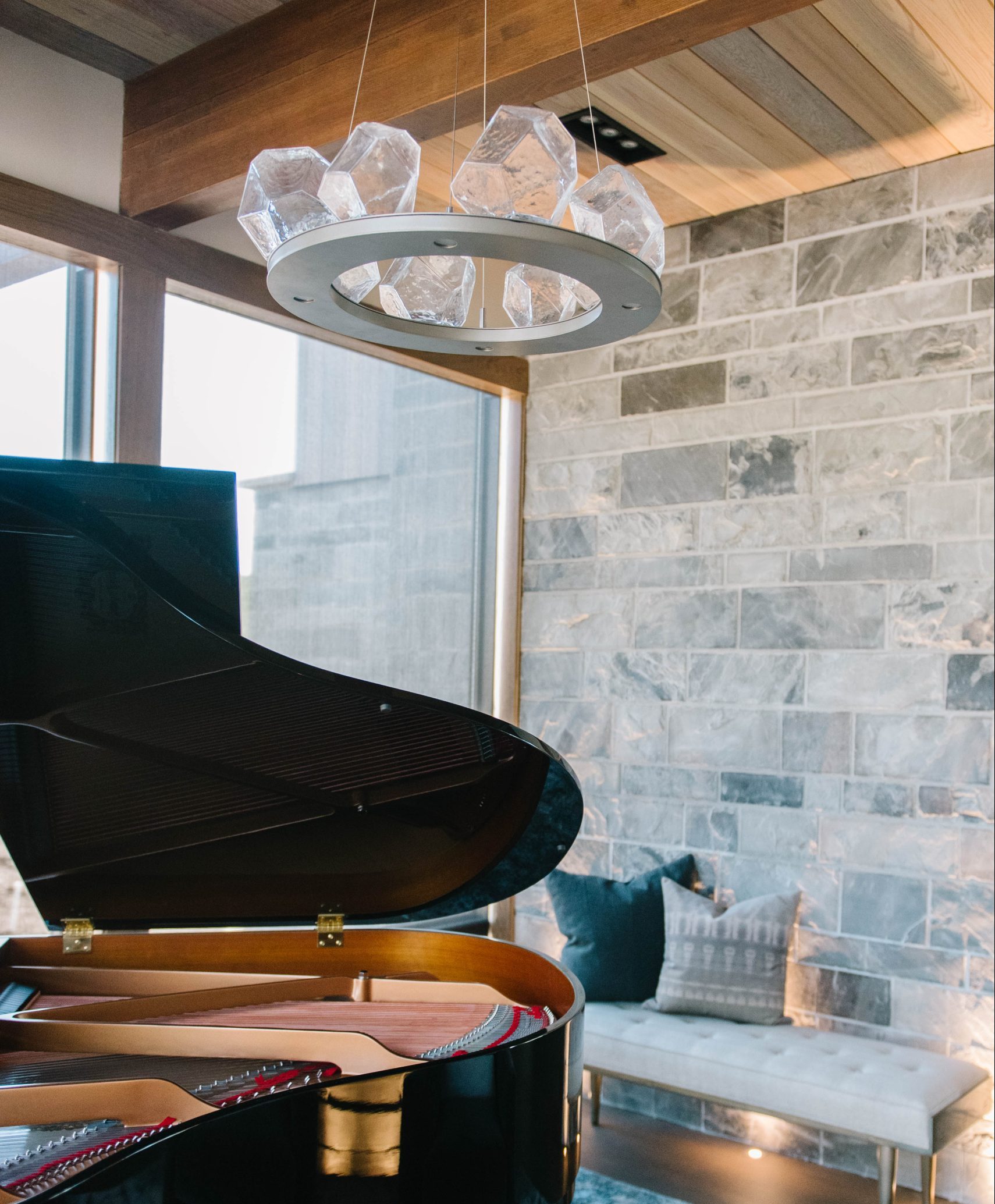
ARE YOU A TRADE PROFESSIONAL?
At Hammerton, we know what it takes to deliver exceptional design on tight timelines. Our Trade Account Program offers exclusive discounts, product access, and dedicated support to help you stay ahead.
APPLY NOW and simplify your workflow from concept to completion.