Lighting Design Tips for Interiors: Achieve Luxurious Results
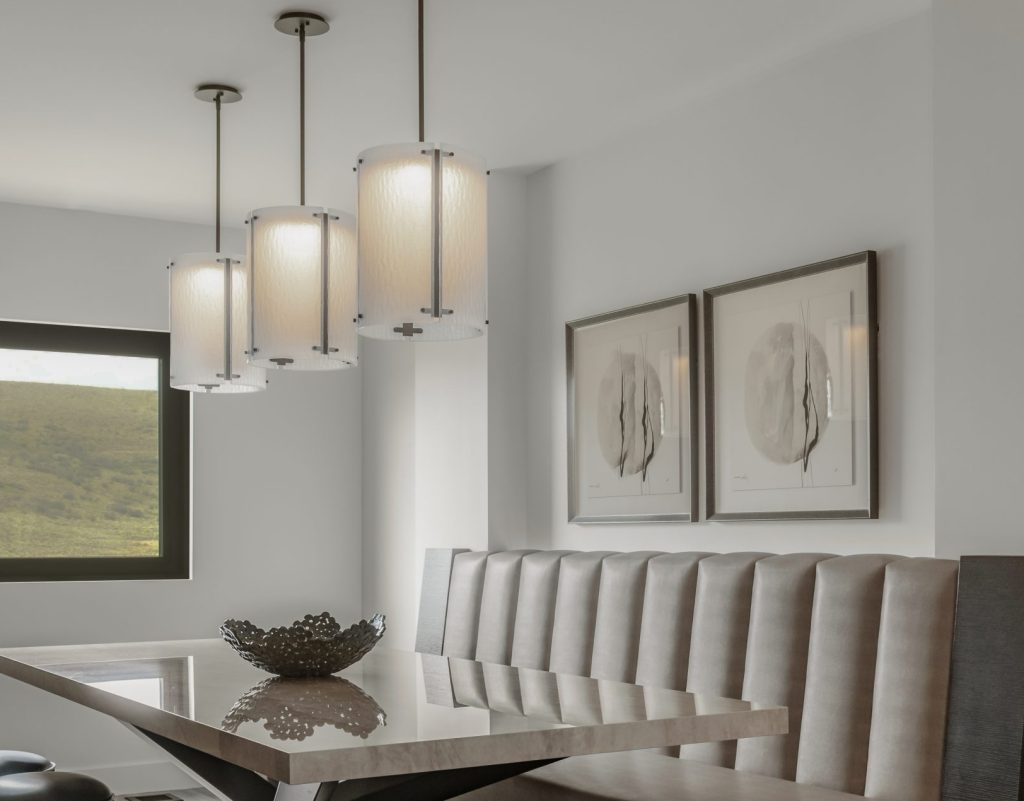
Many American homes overlook the impact that thoughtful lighting can have on both style and comfort. Studies show that strategic lighting can increase perceived luxury and functionality in a space by over 60 percent. Whether you want to create a cozy reading nook or highlight unique architectural details, a well-planned lighting scheme transforms every room. Discover how lighting becomes a powerful design choice, shaping the entire mood and experience of your home.
Table of Contents
- Step 1: Assess Room Needs and Set a Vision
- Step 2: Choose Layered Lighting for Every Space
- Step 3: Select Fixtures That Complement Your Style
- Step 4: Position Lights to Highlight Key Features
- Step 5: Test, Adjust, and Fine-Tune Ambiance
Quick Summary
| Key Point | Explanation |
|---|---|
| 1. Assess Your Space’s Needs | Understand the functions of each room to create effective lighting strategies that cater to specific activities and moods. |
| 2. Use Layered Lighting Design | Combine ambient, task, accent, and decorative lighting to add depth and functionality, transforming your space visually. |
| 3. Select Style-Compatible Fixtures | Choose lighting fixtures that align with your room’s design style and enhance the overall aesthetic and atmosphere. |
| 4. Position Lights Intentionally | Strategically place lights to highlight architectural features and create visual interest, breaking predictable lighting patterns. |
| 5. Adjust and Fine-Tune Lighting | Experiment with dimmers and light placement for adaptable ambiance, ensuring lighting suits different times and activities. |
Step 1: Assess Requirements and Set a Vision
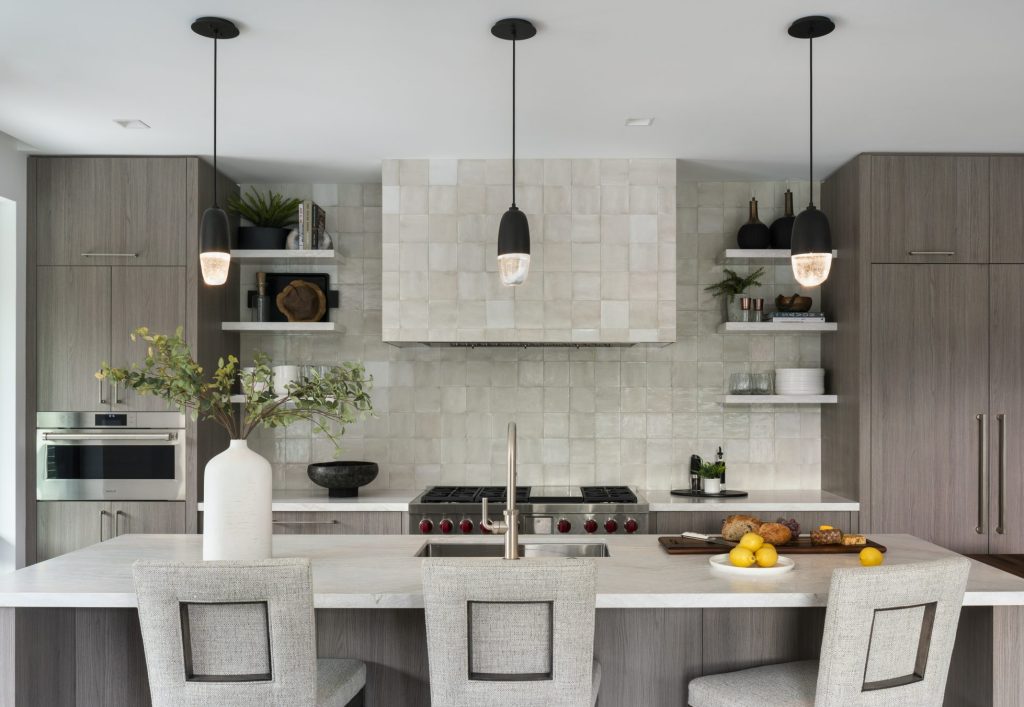
Creating a luxurious lighting design begins with a comprehensive understanding of your space. Determining a room’s precise function is foundational to developing an effective lighting strategy.
Start by mapping out the specific visual tasks and activities that will occur in the space. Will this be a reading nook, a workspace, an entertainment area, or a multifunctional room? Define these parameters to establish clear lighting objectives. Consider how different areas might require varying illumination levels. A home office needs bright, focused lighting, while a living room benefits from layered lighting that creates depth and atmosphere.
Pro tip: Sketch a rough room layout and mark potential lighting zones before purchasing any fixtures. This visual planning helps you anticipate how light will interact with furniture, artwork, and architectural features. By setting a clear vision upfront, you transform lighting from a mere functional necessity into a transformative design element that elevates the entire room’s aesthetic and emotional experience.
Next, you’ll want to explore how different lighting types can work together to achieve your design vision.
Step 2: Choose Layered Lighting for Every Space
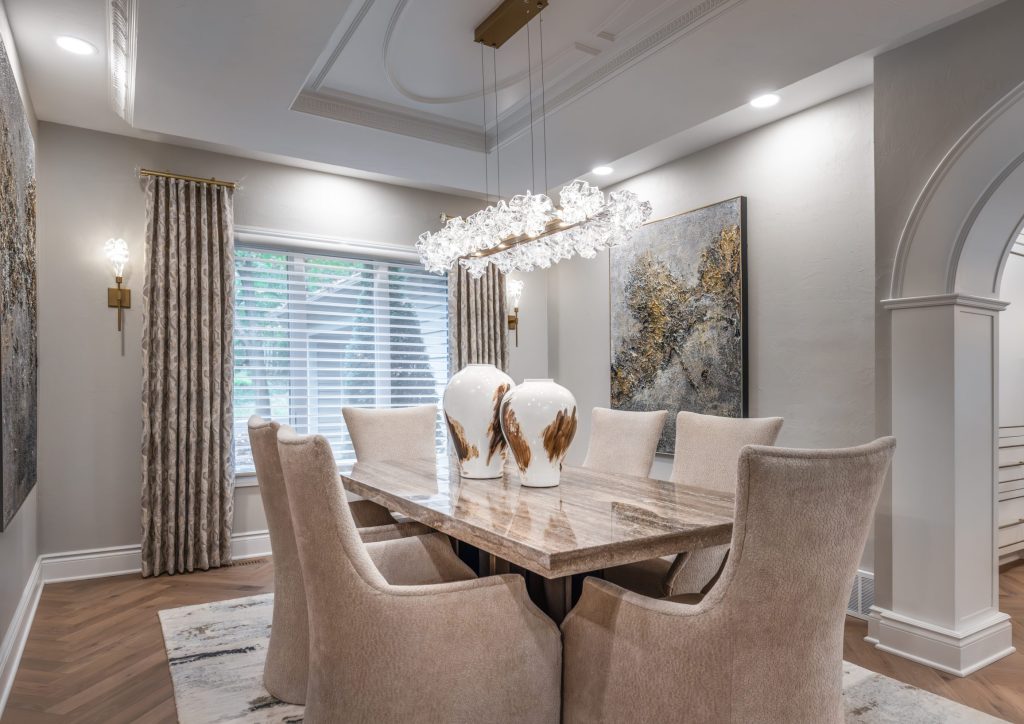
Layered lighting transforms an ordinary room into a sophisticated visual experience by strategically combining different light sources. Successful lighting design integrates ambient, task, accent, and decorative lighting to create depth and functionality within a space.
Start by understanding the four fundamental lighting layers. Ambient lighting provides overall illumination and establishes the room’s baseline brightness. Task lighting focuses on specific areas where you perform activities like reading or cooking. Accent lighting highlights architectural features, artwork, or decorative elements. Decorative lighting serves as a visual statement through statement fixtures that contribute to the room’s aesthetic.
Pro tip: When selecting lighting, consider a mix of light sources at different heights. Combine ceiling mounted fixtures, floor lamps, table lamps, and wall sconces to create visual interest and functional versatility. By thoughtfully layering your lighting, you can dramatically transform a room from flat and one dimensional to dynamic and inviting.
Next, you’ll want to explore how to select specific fixtures that complement your design vision.
Step 3: Select Fixtures That Complement Your Style
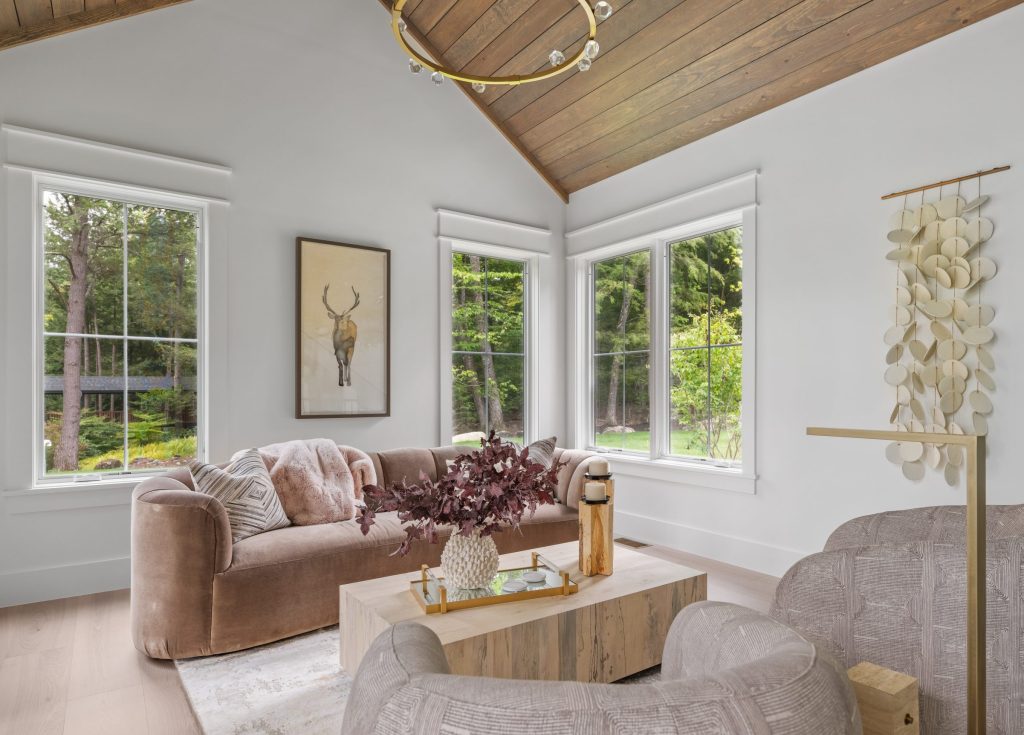
Selecting the right lighting transforms your interior from ordinary to extraordinary. These fixtures are powerful design statements that can dramatically influence a room’s aesthetic and emotional atmosphere.
Consider your room’s existing design language when choosing fixtures. Chandeliers and statement pieces should align with your interior’s architectural style and visual narrative. For modern minimalist spaces, sleek linear pendants or recessed lighting might work best. Traditional interiors could benefit from ornate chandeliers or classic wall sconces. Contemporary rooms often shine with geometric or sculptural lighting that becomes an artistic focal point.
Pro tip: Think of lighting as jewelry for your space. Just as you would carefully select accessories to complement an outfit, choose lighting that enhances your room’s personality. Look for materials and finishes that echo other design elements like metal tones in furniture hardware, wood stains, or architectural details. A thoughtful approach ensures your lighting feels intentional and harmonious rather than randomly selected.
Next, you’ll explore how to strategically place these carefully chosen fixtures for maximum visual impact.
Step 4: Position Lights to Highlight Key Features
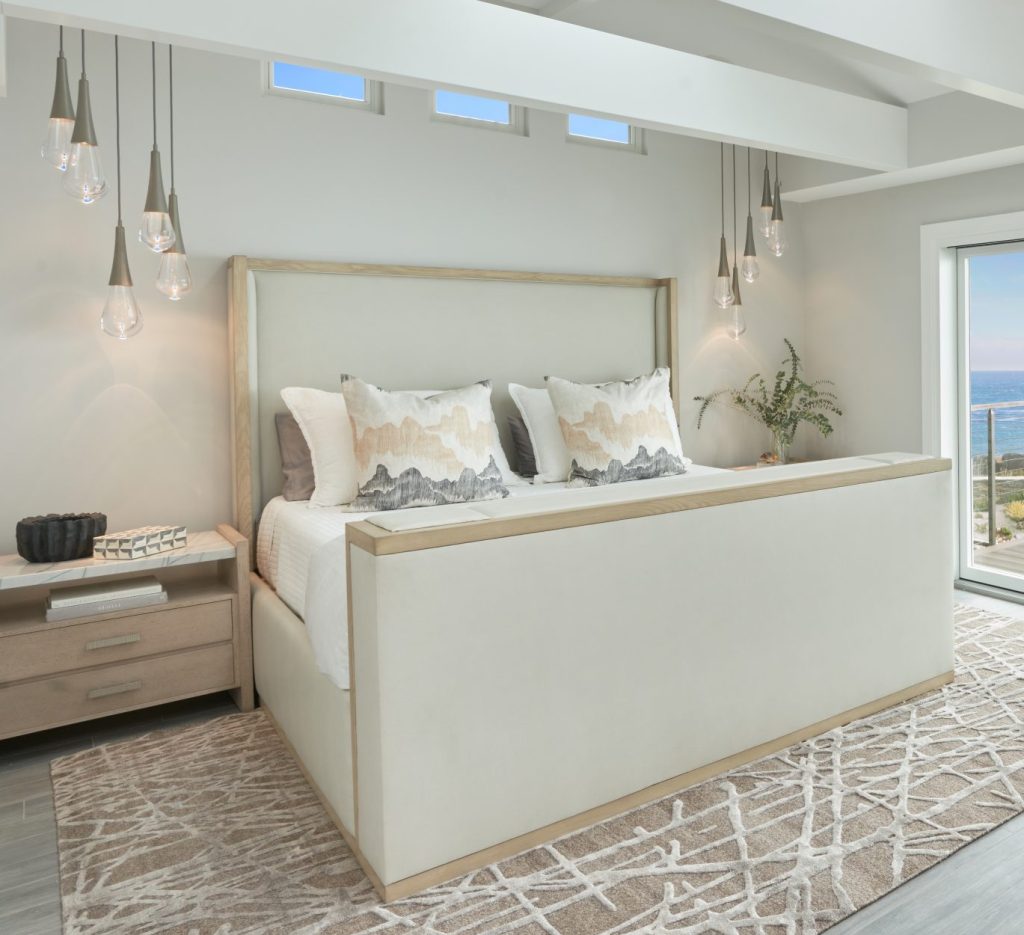
Strategic lighting placement transforms ordinary spaces into extraordinary visual experiences. World Architecture highlights the importance of thoughtfully positioning fixtures to create visual hierarchy and draw attention to a room’s most compelling architectural elements.
Approach lighting placement like a professional designer by creating intentional visual paths. Start with your most significant architectural or decorative features artwork, sculptural furniture, unique architectural details or textural walls. Use accent lighting to create dramatic shadows and depth these focused light sources will draw the eye exactly where you want it. Consider the vertical plane as well place lights at varying heights to create visual interest. A tall floor lamp near a low side table or a pendant light positioned asymmetrically can break predictable lighting patterns and add unexpected sophistication to your space.
Pro tip: Experiment with light angles and distances. Small adjustments can dramatically change how a space feels. Position adjustable fixtures slightly off center from the object you want to highlight creating intriguing shadows and visual tension. Remember that negative space matters just as much as the illuminated areas good lighting is about what you choose not to light as much as what you illuminate.
Next, you will learn how to fine tune your lighting design for maximum impact and cohesion.
Step 5: Test, Adjust, and Fine-Tune Ambiance
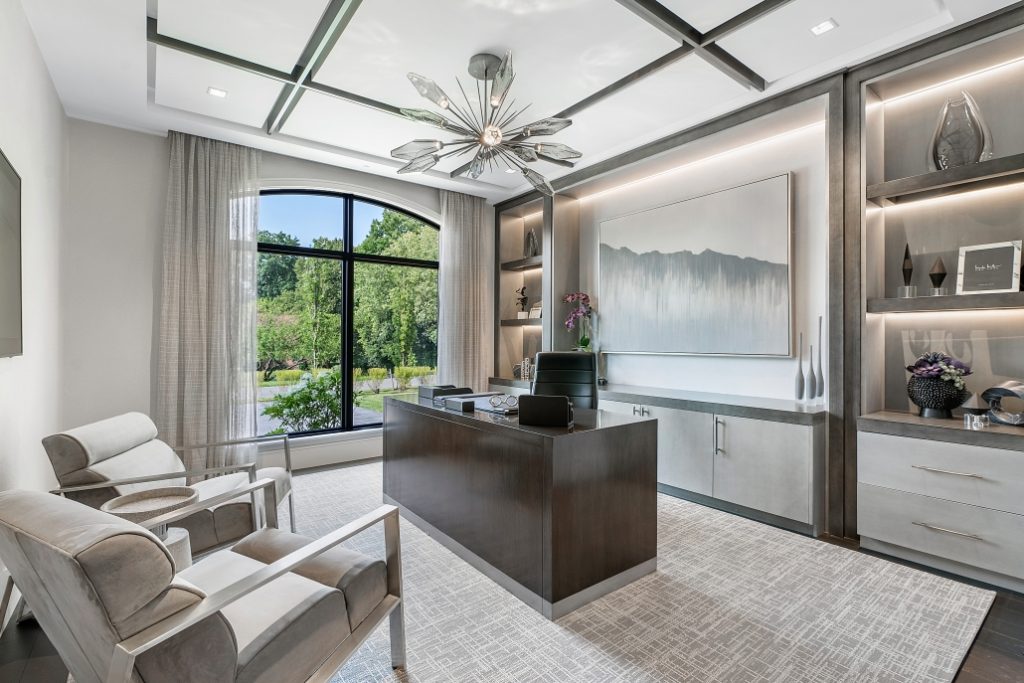
Creating the perfect lighting design requires patience and a willingness to experiment. Intelligent light positioning and dimmable fixtures are key to transforming spaces and crafting adaptable environments that respond to different moods and activities.
Approach your lighting process methodically. Begin by observing how natural light changes throughout the day and how your artificial lighting interacts with these shifts. Use dimmable fixtures to create layers of illumination that can be adjusted based on time of day, activity, or emotional atmosphere. Evening entertainment might call for softer warm tones while daytime work requires brighter more focused lighting. Pay attention to how shadows fall and how different light intensities impact the perception of color and texture in your space.
Pro tip: Document your lighting adjustments. Take photographs at different times of day and under various lighting settings. This visual record will help you track your progress and understand how subtle changes can dramatically transform a room. Consider using smart lighting systems that allow you to program and save different lighting scenes creating ultimate flexibility for your interior environment.
Next, you will learn how to maintain and update your lighting design to keep it fresh and engaging.
Elevate Your Look with Artisan Craftsmanship
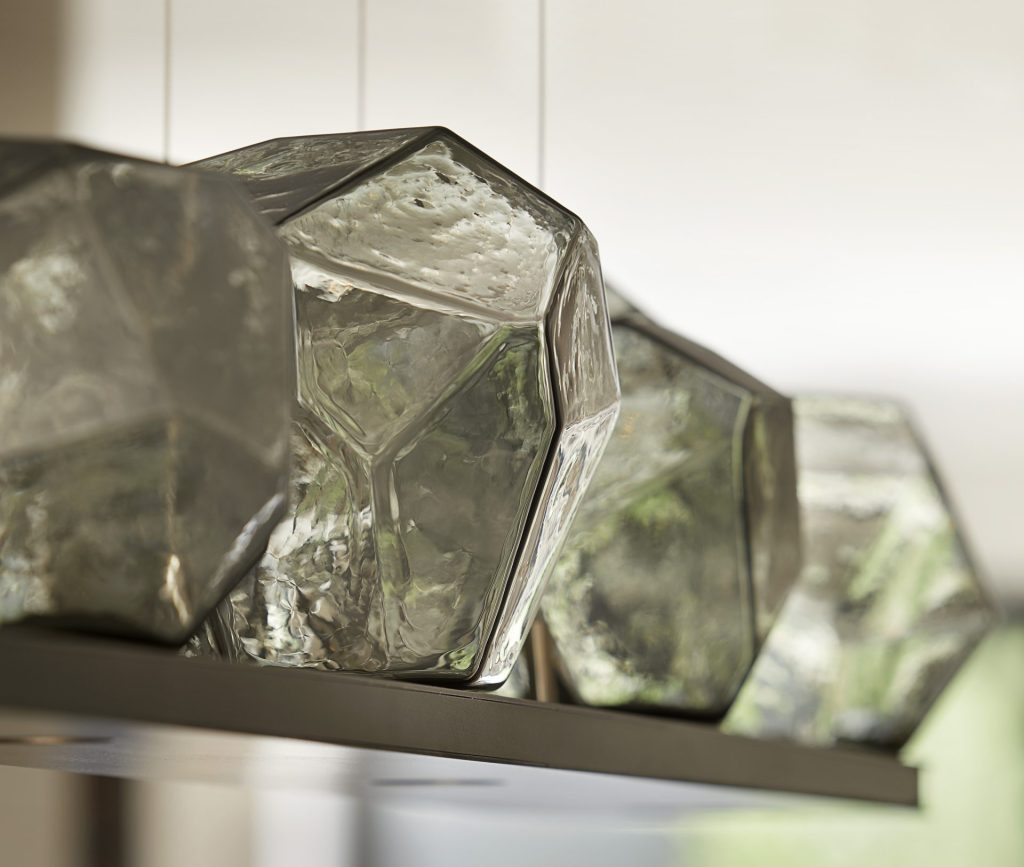
Achieving a luxurious lighting design demands intentional layering, precise placement, and thoughtfully selected pieces that tell a story. If you want to overcome challenges like balancing ambient and accent lighting or highlighting architectural features with visual interest Hammerton Studio offers expertly handcrafted lighting solutions that bring your vision to life. Our artisan-crafted fixtures reflect the same attention to detail and customization potential discussed in this article allowing you to transform any room into a dynamic, inviting space.
Discover the difference of lighting built with over 25 years of design leadership, where every fixture acts as both functional art and distinctive style. Start elevating your interiors today by exploring Hammerton Studio’s collections that combine innovative design with reliable performance. Don’t miss the opportunity to create compelling visual paths and dramatic ambiance with lighting made to your exact specifications.
Frequently Asked Questions
What are the key steps to assess room needs for a lighting design?
Start by mapping out the specific activities that will occur in the room to determine its function. Sketch a layout to identify potential lighting zones, ensuring you consider the variety of illumination levels each area may require.
How can I layer different types of lighting for a more luxurious look?
Incorporate ambient, task, accent, and decorative lighting to add depth and functionality to your space. Aim to use a mix of light sources at different heights, like floor lamps and wall sconces, to create visual interest and versatility.
How do I select lighting fixtures that match my interior design style?
Choose fixtures that align with your existing decor and architectural style to create a cohesive look. Think of lighting as an accessory; select materials and finishes that complement other elements in the room.
What is the best way to position lighting fixtures to highlight room features?
Strategically place fixtures to draw attention to key architectural or decorative elements. Use accent lighting to create depth and shadows, and consider varying the heights of your fixtures for added complexity.
How can I fine-tune my lighting design to enhance the ambiance?
Test different lighting settings and adjust as needed to achieve the desired mood. Document your changes, including photographing how the light interacts with the space throughout the day, to track your progress and understand the effects.
What maintenance should I perform to keep my lighting design fresh?
Regularly assess your lighting to ensure it aligns with any changes in your room’s function or decor. Consider updating fixtures or adjusting light settings periodically to adapt to new activities or seasonal lighting needs.
ARE YOU A TRADE PROFESSIONAL?
At Hammerton, we know what it takes to deliver exceptional design on tight timelines. Our Trade Account Program offers exclusive discounts, product access, and dedicated support to help you stay ahead.
APPLY NOW and simplify your workflow from concept to completion.